
Best Bike Carbon Timing Belt Options for a Lightweight and Quiet Drivetrain
2026-11-22
Swapping to a carbon timing belt is one of the fastest ways to cut drivetrain noise and rotating weight without overhauling your entire bike. But not every belt survives real trail or road conditions the way its spec sheet claims, so this guide skips the filler and focuses on a few standout options. Among them, Sanxing keeps showing up in builds where a quiet, dependable belt matters most.
Carbon Belt Drivetrains That Drop Weight Where You Feel It Most
Dropping grams off a drivetrain isn't just a spec-sheet flex—it reshapes how a bike surges out of corners. Carbon belts, paired with sculpted alloy or carbon cogs, cut rotating mass right at the hub and crank, where every pedal stroke has to overcome inertia. You notice it most in rolling terrain: less effort to spin up, quicker response when you stand and punch over a rise, and a slight floaty ease that steel-chain setups rarely match.
The real payoff comes on long climbs and stop-and-go urban grinds. Because the belt doesn't stretch or sag under load the way a worn chain does, that saved energy stays saved instead of getting soaked up by slack. Riders often report a cleaner, almost direct connection between foot and rear wheel—less of the faint rubber-band delay you feel when a chain is mid-wear. It's not about chasing gram counts for bragging rights; it's about redistributing weight where your legs actually read it.
Maintenance matters here too. Without lube, plates, or rollers collecting grit, a carbon belt setup avoids the gradual weight creep of dirty chains and clogged cassettes. Over weeks of commuting or dusty gravel miles, that keeps the system feeling closer to its day-one crispness. No chain slap, no rust, no mid-ride lube fixes—just a quiet drivetrain that lets you focus on the road instead of the racket behind your heel.
Pedal-Silent Setups for Riders Who Hate Chain Clatter
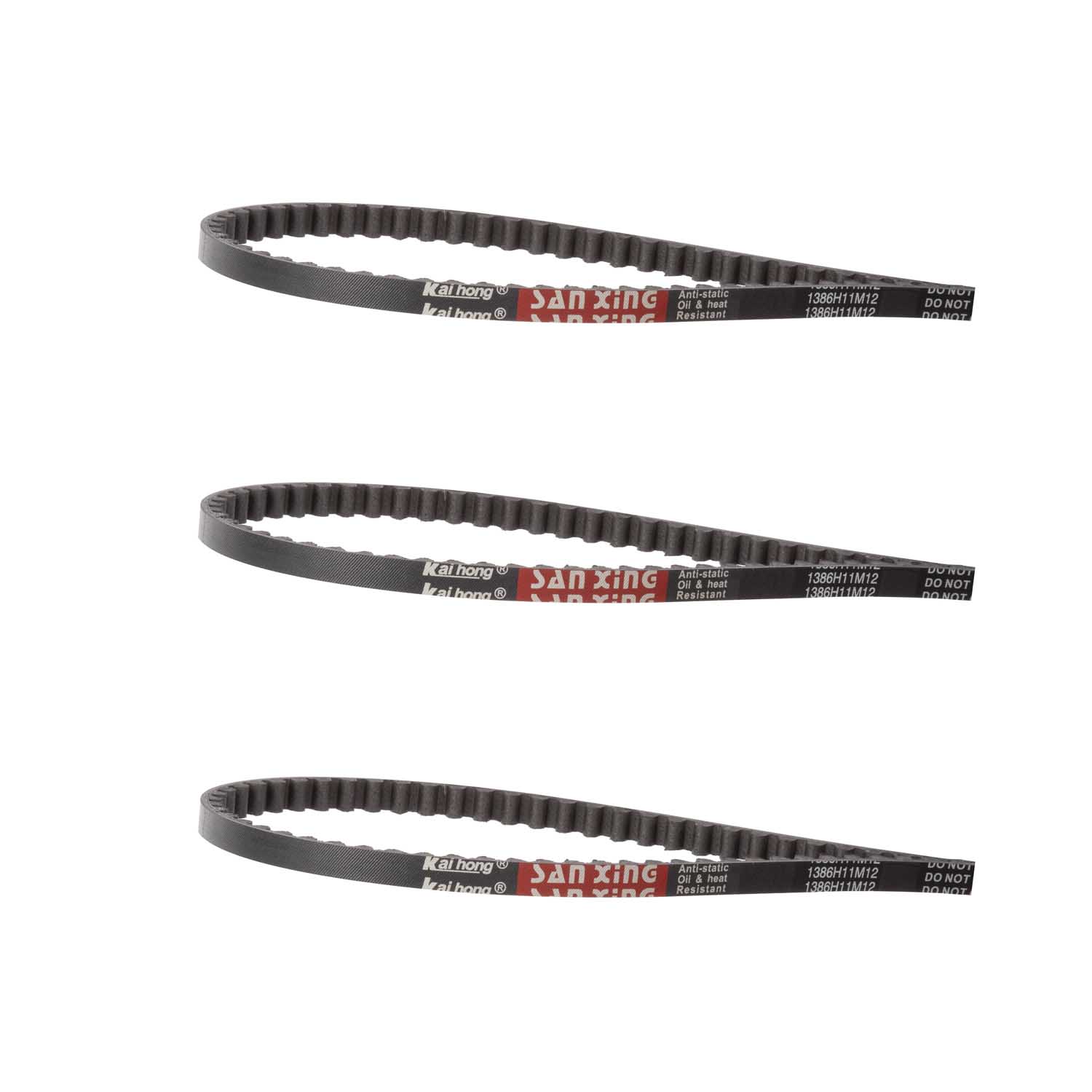
There’s a particular kind of rider who notices every tick, rattle, and grind coming from the drivetrain—especially when coasting or soft-pedaling. If that sounds familiar, going with a pedal-silent setup isn’t about chasing some unattainable standard of smoothness. It’s about removing the mechanical chatter that slowly eats away at the calm of a long ride. The first step is usually checking chain tension and derailleur alignment, but even a perfectly tuned bike can produce noise if the freehub, chainring, or chain itself isn’t playing nicely together.
The real difference shows up in how parts are chosen. A freehub with more engagement points doesn’t automatically mean less clatter—sometimes it’s the opposite, with tighter tolerances and lighter grease producing a sharper buzz. Riders who hate chain clatter often end up preferring fewer, larger pawls that engage with a dull thud rather than a rapid metallic whir. Chain choice matters too: a chain with tighter inner link play and a well-matched chainring can reduce the slapping and ticking that happens when power fluctuates during technical sections or short climbs.
Quieting the drivetrain also means paying attention to the small things people rarely mention. A slightly worn bottom bracket can amplify noise that seems to come from the pedals. A dry chain with uneven wear will click under load even if everything else is brand new. Lubrication isn’t just about reducing friction—it’s a sound dampener. Instead of chasing absolute silence, the goal is to get the bike to a place where the only thing you hear is tire noise and wind, and the chain fades into the background where it belongs.
Reading Between the Specs: What Actually Makes a Carbon Belt Durable
Tensile strength and modulus get all the attention on a spec sheet, but they rarely tell you how long a carbon belt will survive in actual use. A belt that feels dead-stiff on paper can fall apart surprisingly fast once it is forced around a small pulley a few thousand times. What matters more is how the resin matrix holds the carbon fibers together under repeated bending, and whether the laminate can resist the tiny shear failures that eventually turn into visible cracks. If the resin is too brittle, high fiber strength will not save it from delamination.
Edge finish and manufacturing consistency are just as important, though they are almost never listed anywhere. A rough or poorly sealed edge lets moisture and grit work their way between layers, where they slowly grind away at the bond line. The best belts tend to have clean, tightly compacted edges and some form of outer protection, whether that is a thermoplastic coating or a carefully cured surface layer. These details decide whether micro-damage stays cosmetic or spreads into the load-bearing core.
Real durability also comes down to how the belt handles tension variation, misalignment, and temperature swings. A belt that only looks good in a straight pull test may fatigue quickly once it sees start-stop loads or a slightly cocked pulley. Instead of chasing the highest tensile rating, it is usually smarter to ask how the belt performed in cyclic bending tests, because that is where long-term survival is actually proven.
The Best Lightweight Belt Options for Commuter, Gravel, and Singlespeed Builds
If you are building a commuter or singlespeed around a belt, the Gates CDN system is still the easiest place to start. The polyurethane belt is noticeably lighter than the burlier CDX line, and paired with alloy cogs and rings it keeps rotating weight low enough to matter when you are accelerating away from lights. Just keep an eye on belt tension; too tight will quickly eat into rear hub bearings.
For gravel use, the equation shifts a little. A CDX belt and stainless or alloy sprockets add a small weight penalty but tolerate grit, mud, and the occasional rock strike far better. If your frame does not have a split stay, the Veer split belt is worth a look. It lets you run a belt on a standard frame without welding in a coupler, which opens up a lot of older steel frames for a quiet, low-fuss drivetrain.
On singlespeed builds, do not overlook the small parts. Lightweight alloy belt rings save more rotational mass than many people expect, and swapping a heavy steel cog for a machined alloy version can make the bike feel sharper off the line. Belt drives are already cleaner and quieter than chains, but the best lightweight setups come from treating every ring, cog, and tensioner as a place to shave a few grams without giving up durability.
Tension, Alignment, and Setup Tricks That Keep Carbon Belts Quiet
Most carbon belt noise doesn't come from the belt itself, but from a mismatch between tension and the way the pulleys sit relative to each other. A belt pulled too tight tends to amplify every tiny vibration into a high-pitched whine, while a belt left just slightly loose may slap against the flange and create a rhythmic ticking sound. The sweet spot is usually found by pressing the belt at midspan with moderate thumb pressure and watching for a small, controlled deflection. If the deflection feels stiff and the belt rings like a guitar string when plucked, back the tension off in small increments until the sound softens. If the belt moves more than a few millimeters and you can hear a faint knock on deceleration, add a touch more tension and recheck after a short run-in period.
Alignment errors often masquerade as tension problems because a misaligned idler or a drive pulley that sits two or three degrees off plane will scrub the edge of the belt, producing a squeak that appears only under load or during coast. Rather than eyeballing the belt line from the side, use a straightedge across the pulley faces or a laser alignment tool to check that the grooves run parallel and that the belt tracks without wandering toward either flange. Sometimes the fix is as simple as adding a thin shim behind a pulley or loosening the motor mount, nudging it sideways, and retightening while the belt is under light tension. Pay close attention to the idler position on the slack side: an idler that pushes the belt sideways more than necessary creates extra edge contact and noise that no amount of tension adjustment will cure.
Beyond tension and alignment, a few setup tricks can take a quiet carbon belt and make it nearly silent. Before installing a new belt, wipe the pulleys with a dry cloth to remove shipping oil or fingerprint residue that can cause slip-stick chatter. On builds where the motor plate flexes under load, add a small brace or use thicker washers under the mounting bolts to keep the pulley plane stable. For belts that run against flanged pulleys, position the flanges so the belt just kisses one side instead of being trapped between two sharp edges. Finally, run the drivetrain through a few slow revolutions by hand and listen for a repeating tick that lines up with one pulley rotation. That repeating tick often points to a tiny burr or a setscrew proud of the pulley surface, and knocking down that single high spot with a fine file can quiet the whole system without changing belt tension at all.
Real-World Mileage: How Modern Carbon Belts Handle Dirt, Rain, and Daily Use
Few components take as much silent abuse as the drive belt on a daily commuter. Modern carbon-reinforced belts shrug off the grit and grime that would chew through older rubber compounds in a season. Instead of stretching or cracking when dust works into the grooves, the carbon cords hold their shape, meaning tension stays consistent whether you're grinding through a construction zone or parking under a birch tree that sheds fine debris every afternoon.
Rain brings its own set of problems—muddy spray, standing water, and the occasional splash of road salt in colder months. A well-made carbon belt doesn't absorb moisture the way traditional materials can, so there's no swelling or slippage on the pulleys. Riders often notice the belt still tracks dead center after a week of wet weather, with no squeal on startup and no need to dry it off before heading out. It's the kind of quiet reliability that only becomes obvious when you realize you haven't touched the drivetrain in months.
Daily use piles up the miles in ways that test more than just abrasion resistance. Frequent stop-and-go traffic, short trips where the belt barely warms up, and long highway stretches all put different loads on the same handful of cords. Carbon's stiffness under tension means it doesn't slowly creep or develop flat spots from sitting overnight. Owners who keep a simple mileage log tend to notice the belt still measures within spec at intervals where a conventional setup would already show measurable wear.
FAQ
The main appeal is less daily noise and nearly zero drivetrain maintenance. A carbon belt does not stretch the way a chain wears, it runs without wet lube collecting grit, and it tends to stay quiet even after rainy commutes. Weight savings are there, but the bigger gain for most riders is not having to clean and re-lube a chain every week.
It depends on the whole system. The belt itself is light, but the real savings come when you replace a multi-speed chain, cassette, and derailleur with a single belt line and a rear hub gear or fixed cog. A typical urban or gravel setup may drop around a quarter to a half kilogram compared with a comparable chain drivetrain, while also removing the rotational weight of a greasy chain.
The frame must have a way to open the rear triangle, since a continuous belt cannot be broken and rejoined like a chain. That usually means a split in the seatstay or chainstay, or an elevated chainstay design. You also need some way to set belt tension: sliding dropouts, an eccentric bottom bracket, or a movable rear hub. Belt line, chainline, and sprocket alignment need to be checked carefully.
A well-aligned belt drive is usually the quietest option on a bicycle because there is no metal chain rolling over metal sprockets. You lose chain slap, chatter from a worn chain, and the grinding sound of contaminated lube. The remaining noise typically comes from the freewheel or internally geared hub, plus a faint belt hum that most riders stop noticing.
With clean conditions and correct tension, riders often get several times the life of a chain. Many commuter and touring setups go well past 15,000 km before the belt or sprockets need attention, and some keep rolling beyond 30,000 km. The main killers are misalignment, grit packed into the teeth, and running the belt too tight or too loose.
The downsides are mostly practical rather than performance-based. You cannot use a conventional derailleur, so gearing has to come from an internal hub, Pinion-style gearbox, or a single speed. Frames need a belt-compatible split or elevated stay, roadside repair is less common, and initial parts cost is higher. Deep mud or sharp gravel can also require more frequent inspection than a chain in the same terrain.
Gates CDX is the common heavy-duty choice for touring, gravel, and e-bike use, while Gates CDN is lighter and aimed at urban singlespeed or internal gear bikes. Veer belts are worth checking if the frame has no split because they can be joined and routed around the frame. The best option usually comes down to frame compatibility, expected torque, and whether you want a bombproof setup or a lighter city build.
Conclusion
Swapping a chain for a carbon timing belt trims weight exactly where it matters: at the rear wheel and crank, so acceleration feels sharper without chasing gram-level savings elsewhere. The payoff is just as obvious in sound. A properly tensioned belt removes nearly all mechanical clatter, leaving tire hum and wind as the dominant noises, which appeals to commuters and gravel riders who spend hours in the saddle. Dropouts designed for belt compatibility, a split frame or an adjustable bottom bracket, matter more than belt brand because belt line tolerances are tight. That quieter, low-maintenance ride is why more gravel and singlespeed frames now leave the shop with belt-ready dropouts.
Durability comes down to the core materials, not just the marketing claims. Look for carbon tensile cords inside a polyurethane body, and pay attention to tooth profile and width, since those affect both lifespan and power transfer. Real-world use favors setups with correct alignment and moderate tension; a belt that is too tight or a cog slightly off-center will wear fast and whine under load. For daily riding, lightweight options with sealed bearings and mud clearance handle rain, grit, and neglect better than delicate race-oriented builds, making them the smarter pick for singlespeed and commuter conversions.
Contact Us
Contact Person: Becky
Email: [email protected]
Tel/WhatsApp: 0086-15168665227
Website: https://www.sxbelts.com