
Best Drop-out Fuses: Essential Guide for Enhanced Safety and Reliability
2026-01-07
In today's demanding electrical systems, ensuring safety and reliability is not just a priority—it's a necessity. Fuses play a critical role in protecting circuits from overloads and short circuits, but not all fuses are created equal. Enter the world of drop-out fuses, a specialized type that offers enhanced protection and easier maintenance. This guide delves into the best drop-out fuses, exploring why they are essential for modern applications. At Lugao, we're committed to advancing electrical safety through innovative solutions. Whether you're an engineer, technician, or homeowner, understanding these components can make a significant difference. Get ready to discover how the right fuse can transform your system's performance and safety, with expert insights tailored for real-world challenges. Let’s explore what sets the top options apart and how you can benefit from their advanced features.
Understanding Drop-out Fuses' Role in Electrical Safety Systems
In electrical systems, drop-out fuses function as a critical line of defense, designed to automatically disconnect circuits during overloads or short circuits. Unlike traditional fuses that simply melt, these devices physically drop out of their holders, creating a visible gap that clearly indicates a fault has occurred. This immediate visual cue helps maintenance personnel quickly identify and address issues, reducing downtime and enhancing overall safety in distribution networks, particularly in overhead power lines.
What sets drop-out fuses apart is their dual role in both protection and isolation. By combining fuse elements with a mechanical dropout mechanism, they not only interrupt fault currents but also ensure complete electrical isolation once triggered. This prevents accidental re-energization of faulty sections, a common risk in high-voltage environments. Their robust construction allows them to withstand harsh outdoor conditions, making them ideal for rural or industrial applications where reliability is paramount and manual intervention might be delayed.
Beyond basic functionality, modern drop-out fuses incorporate features like adjustable fault-clearing times and compatibility with smart grid technologies. This adaptability allows for tailored protection schemes that balance rapid response with system stability, minimizing nuisance tripping while safeguarding equipment. By integrating seamlessly into broader safety protocols, these fuses contribute to a layered defense strategy, ensuring that even in complex electrical networks, potential hazards are contained before they escalate into major failures.
Key Features That Make Drop-out Fuses Stand Out
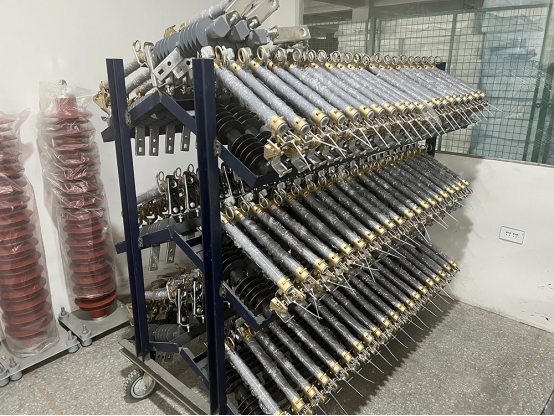
Drop-out fuses aren't just another component in your electrical system; they're cleverly designed to break away when they blow. This simple action visibly indicates a fault—no guessing needed. The fuse carrier drops out, signaling it's time for replacement, which helps prevent accidental contact and enhances safety during maintenance.
Beyond their visual cue, these fuses excel in durability and reliability. Crafted from robust materials, they withstand harsh conditions and repeated use without faltering. Their design minimizes wear, ensuring consistent performance over time, which is crucial for systems where downtime isn't an option.
What truly sets drop-out fuses apart is how they seamlessly blend simplicity with effectiveness. Unlike more complex protective devices, they're easy to install and maintain, making them a go-to choice for many applications. This straightforward approach doesn't compromise on protection, offering a reliable solution that meets diverse needs without unnecessary complications.
Selecting the Right Drop-out Fuse for Your Application
When it comes to protecting electrical circuits, drop-out fuses are a go-to choice for their reliability and safety features. However, picking the perfect one isn't a one-size-fits-all task; it hinges on your specific setup and requirements. Start by evaluating your application's voltage and current ratings—these must align closely with the fuse's specifications to avoid underperformance or unnecessary trips. Consider factors like fault current levels and environmental conditions, such as humidity or temperature extremes, which can influence durability. Don't just grab any fuse off the shelf; a little homework here can save you from costly downtime later.
Beyond the basics, dive into the mechanical and operational aspects that set different drop-out fuses apart. Look for features like ease of installation and maintenance—some models offer quick-change mechanisms or visual indicators that simplify troubleshooting. Pay attention to the interrupting capacity, which determines how effectively the fuse can handle high fault currents without damage. If your application involves frequent load changes or harsh industrial settings, opt for a robust design with enhanced arc-quenching capabilities. This proactive approach ensures your system stays protected without sacrificing efficiency.
Finally, think long-term about safety and compliance to make a smart investment. Check that the fuse meets industry standards, such as IEC or ANSI certifications, which guarantee performance and reliability. Consider user safety features, like insulated bodies or tamper-resistant designs, especially in public or high-traffic areas. Don't forget to factor in cost versus benefits—a premium fuse might seem pricey upfront but could reduce maintenance expenses over time. By tailoring your choice to these nuanced aspects, you'll secure a solution that not only fits but enhances your electrical system's resilience.
Installation and Maintenance Best Practices
Getting your equipment up and running smoothly starts with following the right steps during installation. Many users overlook the basics, such as reading the manual thoroughly before beginning. This simple habit can prevent common mistakes like incorrect wiring or misplacement. It's also crucial to ensure the environment is suitable—think about factors like adequate ventilation, stable power supply, and minimal dust. By taking these precautions, you set the foundation for optimal performance, reducing the risk of early failures and costly repairs.
Once installed, regular maintenance becomes key to keeping everything in top shape. Instead of waiting for something to break, adopt a proactive approach. Schedule routine checks to inspect for wear and tear, such as checking for loose connections or unusual noises. Cleaning components periodically can prevent dust buildup that might cause overheating or malfunctions. Moreover, keeping a log of maintenance activities helps track the health of your system over time, making it easier to spot patterns and address issues before they escalate.
In the long run, investing in proper training for your team can make a significant difference. Educate operators on best practices, like avoiding overloading or improper handling, which often lead to avoidable damage. Stay updated with manufacturer recommendations for any firmware or part updates, as these can enhance efficiency and extend equipment life. By embedding these habits into your workflow, you not only boost reliability but also cut down on unexpected downtime, ensuring your operations run as smoothly as day one.
Real-World Applications and Performance Insights
From streamlining logistics in global supply chains to optimizing energy grids, real-world implementations of these systems demonstrate their pivotal role in modern infrastructure. Companies leverage data-driven insights to reduce operational costs and enhance service delivery, showcasing tangible benefits beyond theoretical models. For instance, predictive maintenance in manufacturing has cut downtime by up to 30% in some industries, highlighting how performance metrics translate into competitive advantages and sustainability gains.
Diving deeper into performance, insights show that scalability and adaptability are crucial for success in dynamic environments. Real-time analytics enable organizations to respond swiftly to market shifts, with examples like financial institutions using advanced algorithms to detect fraud more accurately. This proactive approach not only boosts efficiency but also builds trust among stakeholders, proving that robust performance frameworks are key to long-term resilience and innovation in fast-paced sectors.
Moreover, case studies across healthcare and retail reveal how integrating these applications leads to improved user experiences and resource allocation. In healthcare, performance insights from patient data have accelerated diagnostic processes, while in retail, personalized recommendations driven by performance analytics increase customer engagement and sales. These diverse applications underscore the versatility of the technology, making it an indispensable tool for solving complex challenges and driving measurable outcomes in everyday operations.
Future Trends in Drop-out Fuse Technology
Innovations in drop-out fuse technology are increasingly focusing on enhancing safety and reliability in electrical distribution systems, especially as the grid faces new challenges from renewable energy integration and extreme weather events. Manufacturers are developing smarter fuse designs that incorporate real-time monitoring sensors to detect faults more quickly and accurately, reducing downtime and improving overall system resilience. These advancements aim to provide better protection for both equipment and personnel, ensuring that utilities can maintain service continuity in dynamic operating conditions.
Another significant trend is the shift towards more environmentally sustainable materials and manufacturing processes, driven by stricter regulations and growing industry demand. Companies are exploring alternatives to traditional components that reduce environmental impact without compromising performance, such as biodegradable insulators or recycled metals. This move towards greener solutions not only aligns with global sustainability goals but also helps utilities meet compliance standards while cutting long-term costs through improved durability and reduced waste.
Looking ahead, the integration of digital technologies like artificial intelligence and IoT is set to revolutionize drop-out fuse systems by enabling predictive maintenance and automated responses to electrical disturbances. By analyzing data from connected devices, these smart fuses can anticipate potential failures and adjust operations proactively, minimizing disruptions and extending equipment lifespan. This evolution towards a more interconnected and intelligent grid will likely transform how utilities manage distribution networks, making them more adaptive and efficient in the face of evolving energy demands.
FAQ
Drop-out fuses are a type of protective device that automatically disconnect a circuit when an overload or fault occurs, preventing fires and equipment damage by isolating the faulty section quickly.
Unlike standard fuses that burn out and need replacement, drop-out fuses mechanically drop out or fall away when triggered, providing a visible indication of a fault and allowing for easier maintenance and resetting in some models.
Consider factors like current rating, voltage compatibility, interrupting capacity, durability in environmental conditions, and ease of installation to ensure reliable protection tailored to your specific electrical system needs.
They are versatile and commonly used in industrial and utility applications for high-voltage systems, but some models are suitable for residential setups where enhanced safety and quick fault isolation are priorities, depending on the specifications.
Regular inspections every 6 to 12 months are recommended, checking for signs of wear, corrosion, or damage, and testing the mechanism to confirm it operates correctly, with more frequent checks in harsh conditions.
Common errors include incorrect sizing for the circuit, improper mounting that affects the drop-out action, neglecting to follow manufacturer guidelines, and failing to train personnel on proper handling and emergency procedures.
They enhance reliability by providing fast, automatic disconnection during faults, reducing downtime and preventing cascading failures, while their simple design often leads to lower maintenance costs and longer service life than more complex alternatives.
Recent advancements include smart drop-out fuses with remote monitoring capabilities, improved materials for better durability, and integration with digital control systems for enhanced diagnostics and real-time safety management.
Conclusion
Drop-out fuses play a critical role in electrical safety systems, acting as protective devices that disconnect circuits during overloads or faults to prevent equipment damage and fire hazards. Understanding their function involves recognizing how they isolate faulty sections while maintaining overall system integrity. Key features include their ability to clear faults quickly, reduce downtime, and offer cost-effective protection compared to more complex alternatives. Selecting the right drop-out fuse requires evaluating factors like voltage ratings, interrupting capacity, and environmental conditions to ensure optimal performance for specific applications.
Proper installation and maintenance are essential for reliability, involving regular inspections, cleaning, and adherence to manufacturer guidelines. Real-world applications span industries such as utilities, manufacturing, and renewable energy, where these fuses enhance safety and minimize disruptions. Looking ahead, future trends in drop-out fuse technology focus on innovations like smart monitoring capabilities, improved materials for durability, and integration with digital grids. This guide underscores that investing in high-quality drop-out fuses and best practices significantly boosts both safety and reliability in electrical systems.
Contact Us
Contact Person: Doreen
Email: [email protected]
Tel/WhatsApp: 8618057712366
Website: https://www.liugaopower.com/