
Best Flap Gate Valve Options for Superior Flow Control
2026-07-07
Finding the right flap gate valve can make or break flow efficiency, and not all options deliver when it counts. Whether you’re tackling backflow prevention in wastewater, stormwater, or industrial systems, settling for mediocre performance invites costly downtime. That’s where THT steps in—quietly redefining what reliable flow control looks like. In this guide, we cut through the noise to explore top-tier flap gate valves that combine durability, tight sealing, and real-world resilience. No jargon, no fluff—just practical insights to help you choose a valve that actually works as hard as you do.
The Unsung Hero of Flow Control: Why Flap Gate Valves Deserve Attention
Flap gate valves rarely get the recognition they deserve, yet they quietly keep countless systems running smoothly. Tucked away at discharge points, these simple devices prevent reverse flow with a swinging disc that seals against backpressure, all without external power. Their dead-simple design—a disc, a hinge, and a body—means fewer points of failure and a reliability that complex actuated valves can't match. In sectors from stormwater management to wastewater treatment, flap gates work unseen, day in and day out, protecting pumps and pipelines from the damage backflow can wreak.
What sets flap gate valves apart is their adaptability in conditions that would choke more sophisticated equipment. Corrosion-resistant materials like high-grade stainless steels, cast iron with epoxy coatings, or engineered plastics allow them to handle everything from raw sewage to saltwater with minimal upkeep. Their one-way operation responds automatically to flow direction: forward pressure opens the gate, and a slight reverse current seals it shut—no electronics, no sensors, just physics. This autonomous nature makes them invaluable in remote or flooded environments where manual intervention is costly or impossible.
Maybe it's time we gave flap gate valves more than a passing glance. Next time you see a culvert outlet or a pumping station that's been trouble-free for decades, chances are a flap gate valve has been the quiet guardian. Engineers who understand the true cost of downtime and maintenance are rediscovering that sometimes the best solution is the one with the fewest moving parts. In an era obsessed with digital controls and automation, a robust flap gate reminds us that elegant simplicity still has a powerful role to play in flow management.
Beyond the Basics: What Makes a Flap Gate Valve Truly Superior
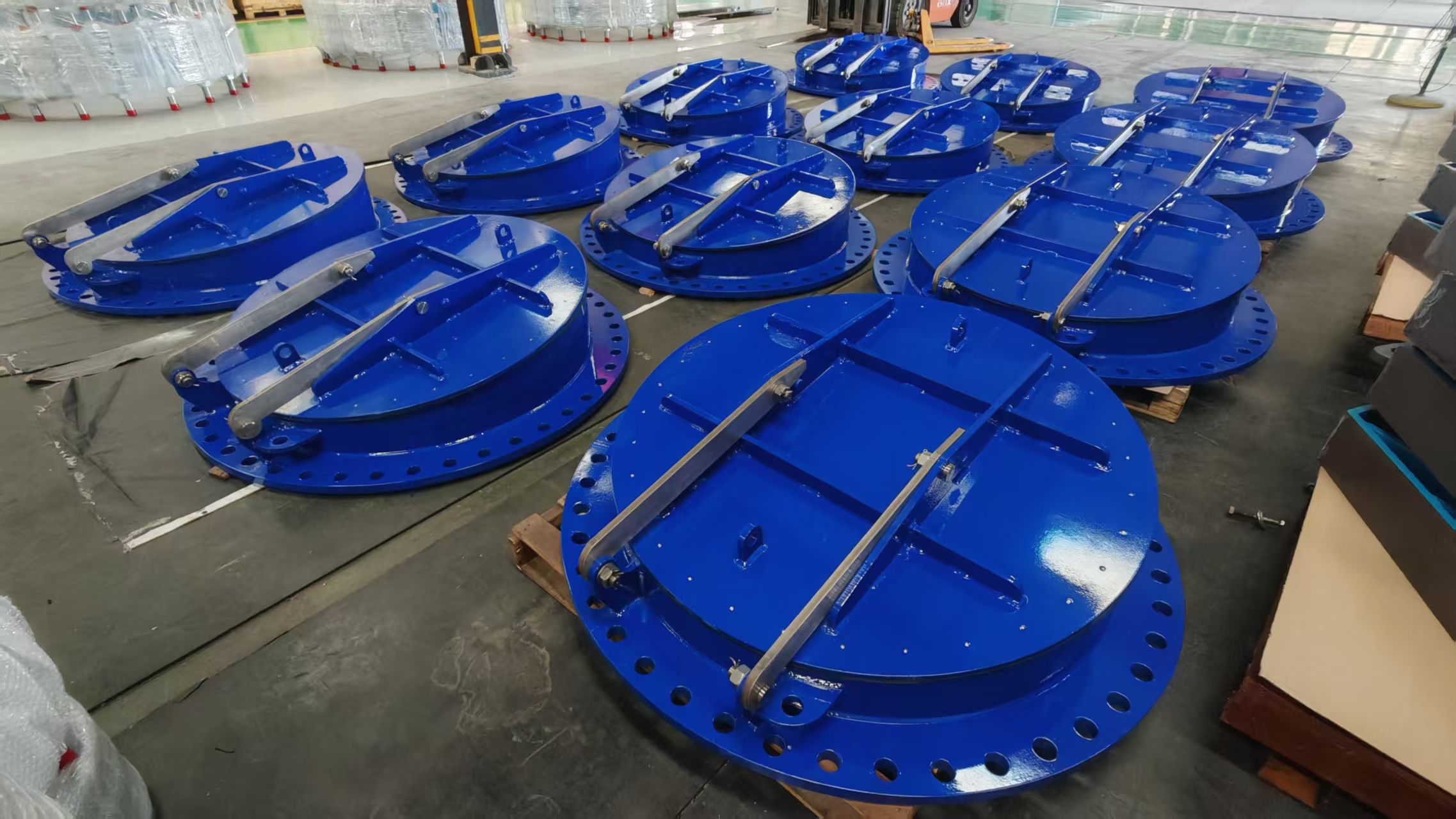
At first glance, a flap gate valve might seem like just another check valve, but its design goes well beyond simple backflow prevention. Unlike traditional swing or lift check valves, the flap gate relies on a hinged disc that completely withdraws from the flow path when open. This creates a full‑bore passage with minimal turbulence, drastically reducing pressure drop and eliminating the vibration and hammering common in other valve types. It’s a feature that becomes critical in low‑pressure systems or where flow must remain unimpeded under all conditions.
The real superiority emerges in environments thick with debris, slurries, or viscous fluids. Because the flap disc seats against a precisely angled body, the self‑cleaning wiping action during closure prevents build‑up that would foul a conventional flapper. The simple, counterweighted mechanism also allows the valve to close gradually, countering the slam effect. This means longer service life and significantly less maintenance, even in high‑cycle wastewater or industrial applications where reliability isn’t just a benefit—it’s a requirement.
Material Insights: Matching Valve Composition to Your System’s Demands
Selecting the right valve material is rarely about finding the strongest option—it’s about understanding the subtle interplay between the media, pressure, and temperature your system will actually face. A stainless steel valve might handle corrosion beautifully in a chemical line but become a liability in a high-chloride environment where stress corrosion cracking lurks. Meanwhile, a brass valve could be a cost-effective workhorse for potable water, yet it would quickly degrade when exposed to acidic condensates. The real challenge lies in mapping those real-world conditions to the metallurgy, making sure the valve composition doesn’t just survive but performs consistently over time.
Beyond basic chemical compatibility, consider the mechanical demands that often go unnoticed. Ball valves made from reinforced PTFE or specialty alloys can prevent galling in high-cycle applications, while cryogenic service demands materials that won’t become brittle when temperatures plummet. Sometimes, a hybrid approach—using a ductile iron body with a stainless steel trim—strikes the balance between upfront cost and long-term reliability. It’s those nuanced matches that separate a valve replacement every six months from a ten-year maintenance interval.
Ultimately, material selection is a form of systemic empathy. You’re not just picking a metal; you’re anticipating how that material will wake up each morning inside a vibrating pipe, reacting to pH swings or thermal shifts before the operators ever notice. By treating material insights as a living part of your system design, you convert a simple commodity into an engineered choice that supports uptime, safety, and efficiency in ways a generic specification never could.
Navigating the Market: Standout Choices for Reliable Flow Regulation
Selecting a flow regulator that won't let you down starts with understanding the subtle differences between valve types that spec sheets rarely highlight. For instance, a globe valve may promise linear control, but its internal geometry can create uneven wear patterns over time, especially with abrasive media. Butterfly valves, on the other hand, offer a compact profile and lower cost, yet their disc can cause turbulence and pressure fluctuations if not sized correctly. Truly reliable regulation often comes from less obvious candidates—eccentric rotary plug valves or axial flow control valves—which combine tight shutoff with stable modulation under variable conditions. The key is to match the valve's inherent characteristics (not just its Cv) to the actual operating range of your process, avoiding solutions that look good on paper but degrade quickly in the field.
Material selection is where many flow-control investments either pay off or fail prematurely. Beyond the generic stainless-steel assumption, standout choices incorporate specific alloys and elastomers tailored to fluid compatibility and erosion resistance. For chemical dosing, PTFE-lined valves with Hastelloy trim can handle aggressive acids without the galling risks of pure titanium. In high-pressure gas applications, tungsten carbide coatings on the plug and seat extend service life far beyond standard chrome plating. The most practical regulators also incorporate simple, field-serviceable seat designs that allow maintenance crews to replace seals without pulling the entire body from the pipeline—a detail often overlooked until the first shutdown. The mark of a disruptive product is not just initial performance but how effortlessly it integrates into existing maintenance routines while minimizing unplanned downtime.
Finally, consider the control system's ability to maintain setpoint accuracy over years of service. Pneumatic positioners with spool-valve feedback loops can achieve fine resolution, but electronic smart positioners now offer diagnostic profiles that predict seal wear or linkage backlash before they cause drift. An often-undervalued approach is combining a high-gain rotary actuator with a software-defined positioner that learns the valve's hysteresis pattern and compensates proactively—not just reactively. This adaptive loop trimming can hold flow rates steady even as the process fluid temperature swings or upstream pressure fluctuates. In essence, the most reliable flow regulation emerges from a design philosophy where the mechanical and digital elements co-evolve, offering a robustness that isn't reliant on perfect operating conditions but rather embraces the messiness of real-world applications.
Installation and Maintenance Secrets for Long-Lasting Performance
Getting the most from any piece of equipment starts long before the first power-on. During installation, small oversights often snowball into major inefficiencies. A level surface, proper ventilation spacing, and checking for hidden transit damage aren't optional—they’re the foundation. Take the time to read beyond the quick-start guide; the manufacturer's full manual usually holds tweaks that generic online advice misses. For instance, a slight adjustment to a mounting bracket or the exact torque on a bolt can mean the difference between a decade of quiet operation and a rattling headache in year two.
Once operational, maintenance becomes a rhythm rather than a chore. Keep a simple log of cleanings, filter changes, and any irregular sounds or vibrations. Many users treat maintenance as reactive, waiting for a warning light or breakdown. Instead, schedule fifteen minutes every month to inspect seals, lubricate moving parts, and clear away dust that silently chokes performance. Use only the consumables specified by the manufacturer—third-party replacements often fit but alter pressures, temperatures, or tolerances in ways that gradually degrade internals.
Finally, listen to what the machine tells you between scheduled checks. A change in pitch, a new hesitation during startup, or a faint smell are early whispers of trouble. Train yourself or your team to notice these cues and investigate immediately. The secret to long-lasting performance isn't expensive tools or constant upgrades; it's respect for the machine’s designed limits and a habit of gentle, consistent attention.
Real-World Impact: How the Right Flap Gate Valve Transforms Operations
Selecting a well-engineered flap gate valve often goes unnoticed until the first maintenance cycle gets skipped without consequence. In wastewater plants, the right design prevents backflow silently for years, cutting down on those 3 a.m. call-outs that used to plague the crew whenever a check valve hung open. It’s not just about sealing; it’s about removing one more variable from an operator’s already hectic shift.
In chemical processing, the difference surfaces in how a valve handles aggressive media without the flap warping or the seat degrading. Teams that once swapped out inferior valves every few months now run full campaigns without interruption. The production floor feels the change—fewer blind flanges being installed for emergency repairs, less drained product, and a tangible drop in the sheer number of spare parts cluttering the inventory shelves.
Mineral processing plants see the real payback in slurry lines where a purpose-built flap gate takes the abrasion in stride. Instead of nursing a bottleneck at the thickener underflow, operators can trust the valve to open and close crisply, keeping the process steady. That reliability cascades into better recovery rates and lets the team focus on tuning the circuit rather than babysitting a valve that was never really designed for the job.
FAQ
A flap gate valve uses a hinged disc (the flap) that opens under forward flow pressure and closes by gravity or backflow, preventing reverse flow. It's a simple, passive check valve design that requires no external power, making it reliable for one-directional flow control in pipelines and outlets.
Flap gate valves offer low head loss, quick closure to prevent water hammer, and minimal maintenance due to few moving parts. They handle solids-laden fluids well and can be installed in horizontal or vertical pipes, providing dependable backflow prevention without complex mechanisms.
Ductile iron, stainless steel, and bronze are popular for durability and corrosion resistance. For aggressive media, valves may have EPDM or PTFE seals and coatings like epoxy or nickel plating to enhance lifespan and maintain tight shut-off in demanding environments.
Size selection is based on pipe diameter and flow velocity. The valve should match the pipe size to avoid turbulence, but the disc opening must be checked for clearance in the adjacent pipe or chamber. Consulting flow curves from the manufacturer ensures proper sealing and minimal pressure drop.
Install the valve with the flap hinge at the top for horizontal lines to allow gravity-assisted closure. Ensure the disc can swing freely, and avoid obstructions. For vertical installations, mount with flow upward. Tighten bolts evenly and verify seat alignment to prevent leakage.
Yes, they are suitable for liquids, gases, and even slurries, but performance varies. For gases, a lighter disc or counterweight may be needed to open at low differential pressures. In liquid services, they excel at handling debris without clogging, but check temperature and pressure ratings.
Compared to swing check valves, flap gate valves often have a shorter disc travel for faster closure, reducing slamming. Unlike lift check valves, they have lower pressure drop and can pass solids more easily. However, they may not seal as tightly at very low backpressure unless fitted with a soft seat.
Regularly inspect the hinge pin and seat for wear or debris buildup. Lubricate the hinge if applicable, and clean the sealing surfaces to prevent leakage. Replace soft seals when they show signs of cracking. Annual function tests in critical systems help catch issues early.
Conclusion
Flap gate valves may not grab headlines like some of their more complex counterparts, but their role in maintaining reliable flow control is nothing short of essential. Often overlooked, these simple yet sturdy devices prevent backflow in pipelines, drainage networks, and flood management systems with a quiet reliability that keeps operations safe and efficient. A truly superior flap gate valve goes beyond basic one-way flow—it offers a tight seal under fluctuating pressure, resists corrosion in harsh environments, and opens fully to minimize head loss. Whether you’re working with wastewater, stormwater, or industrial slurries, the best options are engineered to handle your specific flow conditions without sticking or warping over time. Material selection is crucial here: cast iron and ductile iron provide rugged durability for heavy-duty applications, while stainless steel or advanced composites excel where chemical resistance or lighter weight is paramount. The key is matching the valve’s composition to the physical and chemical demands of your system, ensuring that even the smallest components—like the hinge pin and seat—can withstand years of exposure.
Navigating today’s market reveals a range of standout designs, from traditional flanged models to modern wafer-style units that save space and weight without sacrificing performance. Some manufacturers now integrate resilient seats and self-cleaning features that drastically reduce maintenance needs, a boon for hard-to-access installations. Speaking of which, proper installation is half the battle: aligning the valve correctly to avoid binding and ensuring the flap can swing freely are simple steps that pay dividends in longevity. Periodic inspections, focusing on seal integrity and debris buildup, can prevent minor issues from becoming costly failures. In real-world settings, the right flap gate valve transforms operations by eliminating backflow contamination, reducing pump loads, and lowering energy costs. Industries from municipal water treatment to mining have seen dramatic improvements simply by upgrading to a well-matched valve. Ultimately, investing time in selecting and maintaining the best flap gate valve isn’t just about buying a component—it’s about securing flow control that performs day in, day out, with minimal fuss.
Contact Us
Contact Person: Su Zhang
Email: [email protected]
Tel/WhatsApp: +86-25219206
Website: https://www.tht-valve.com/