
Best Quality Tissue Folding Machine Choosing the Right Model
2026-10-03
Every tissue converter has felt the sting of a machine that folds beautifully in the demo but falls apart on a real production shift. Choosing the best quality tissue folding machine means looking past shiny brochures and zeroing in on what actually keeps lines running: precision fold consistency, low maintenance, and adaptability to different sheet counts. That's exactly where DAXIN has earned its reputation, and in this post we'll break down the factors that should drive your model selection.
What Actually Makes a Tissue Folding Machine Reliable Over Time
A tissue folding machine earns its keep through the unglamorous parts—fold rollers, vacuum ports, and the tiny bearings that nobody sees until they start to drift. When those components are machined from decent steel and seated in housings that don't flex under load, the machine holds its tolerances for years. Cheaper builds often hide this with a sleek touchscreen, but within six months the fold length starts wandering and the operator is left chasing a half-millimeter error that never really goes away.
Beyond the build itself, long-term reliability depends on how well the machine tolerates the real conditions of a converting line. Paper dust builds up, humidity shifts with the seasons, and roll tension varies from batch to batch. A reliable folder doesn't fight these changes with more sensors or software patches. It gives the operator direct, mechanical adjustments—roller pressure, fold plate angle, suction strength—that can be dialed in by feel. That kind of simplicity ages far better than an automated system that demands a technician for every minor drift.
Then there's the question of what happens five or ten years down the road. A machine can be beautifully engineered on day one, but if the manufacturer has moved on to a new model and spare parts are specialty items with long lead times, uptime quietly erodes. The most dependable tissue folders tend to use standard bearings, common belt sizes, and modular plates that a local shop can service. Documentation matters too—clear torque specs and wear limits mean a maintenance crew can replace a part before it causes a jam, not after.
Sizing Up Speed and Sheet Width Without Getting Lost in Specs
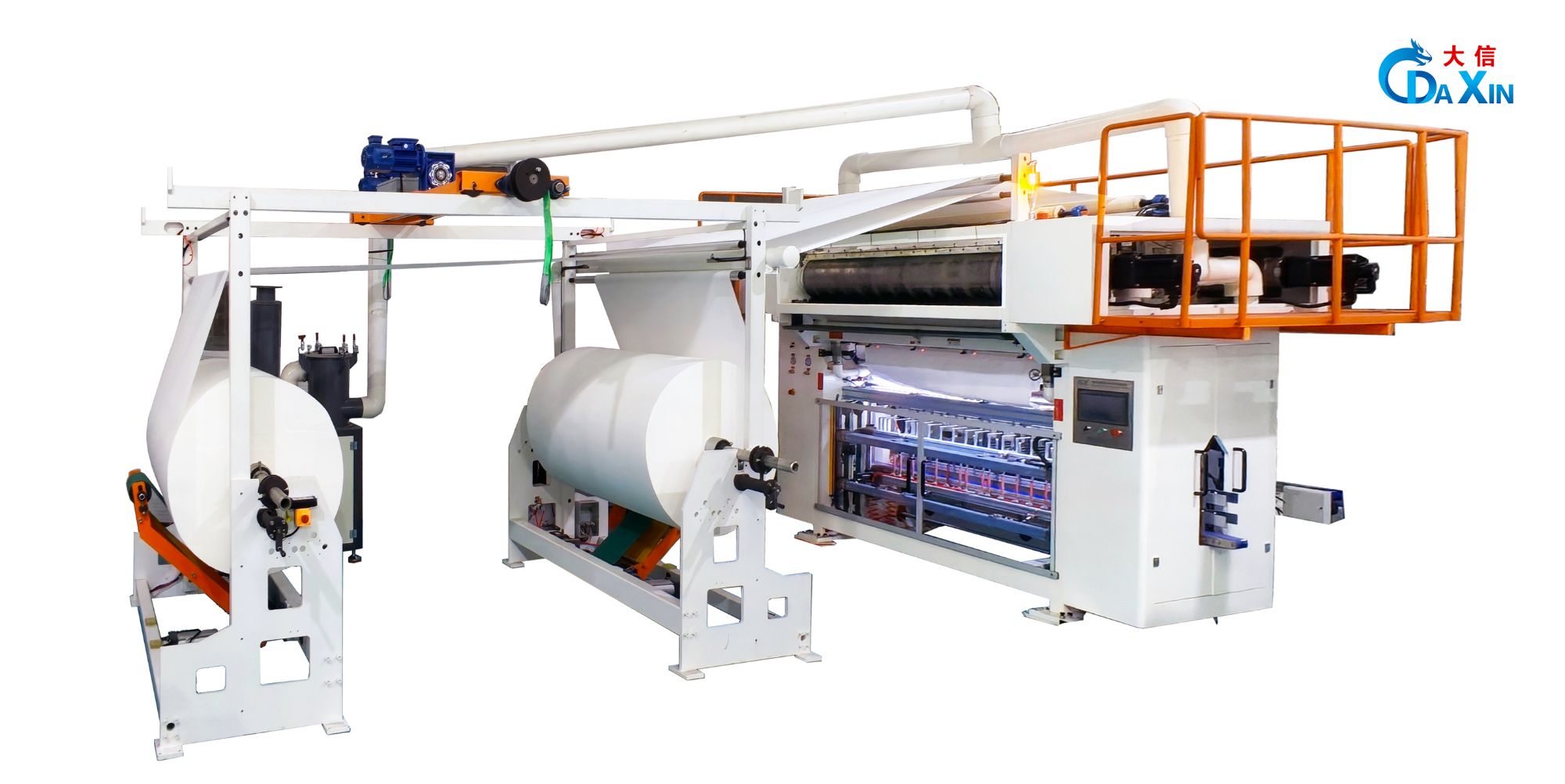
The moment you start comparing machines by paper feed rate, you realize numbers rarely tell the full story. A device that claims 30 pages per minute might still feel sluggish when switching between narrow receipts and wide-format sheets. Instead of chasing maximum ppm, watch how quickly it settles into a steady rhythm after the first sheet feeds. That transition time, often buried in footnotes, shapes daily workflow more than any headline speed.
Sheet width is another spec that invites tunnel vision. Supporting 13-inch paper sounds impressive until you discover the bypass tray struggles with anything over 9 inches without skewing. Lift a few sheets, load them edge-to-edge, and see if the guides grip without excessive play. Real ease comes not from the widest supported size, but from how calmly the machine handles the sizes you actually use every day.
Forget the urge to memorize every number on the datasheet. Instead, run a mixed batch—letter, legal, and a wide sheet if available—and pay attention to hesitation, realignment, and noise changes. Those small behaviors reveal more about long-term comfort than a controlled demo ever will. When speed and width work together without extra babysitting, you have found a machine that fits your desk and your pace.
Fold Patterns Worth Prioritizing for Your Product Range
When deciding which fold patterns to introduce first, skip the basic half-fold unless your product is purely utilitarian. Instead, look at the staggered accordion fold. It opens in a way that naturally sequences information, which matters more than most teams realize when customers are trying to follow assembly steps or compare fabric swatches. The uneven panels force the eye to pause at specific points, so you can guide attention without adding extra labels or arrows. It also lays flatter than a standard roll fold, which reduces the frustration of trying to hold a brochure open with one hand while handling the product with the other.
If your range includes items that need edge protection during transit, a double gate fold with a slight overlap is worth more attention than it usually gets. Unlike a simple tuck flap, the overlapping panels create a closed pocket that keeps corners from catching on other packages. The center spread, once opened, gives you a wide uninterrupted area that works well for showing a hero product or a material texture at actual scale. Many brands avoid this pattern because it requires an extra scoring pass, but the reduction in damaged returns often covers that cost within the first production run—especially for rigid or semi-rigid items like leather goods and tech accessories.
For anything meant to be opened and closed repeatedly, prioritize a Z-fold combined with a non-adhesive closure. Glue strips and sticker dots fatigue quickly, and once they fail, the whole package looks worn even if the product inside is fine. A simple interlocking tab cut from the same sheet keeps the fold secure without adding a separate component. Before committing to any pattern, take a blank sample and open and close it fifty times in a row. If you see fiber breaks at the fold lines or the tab no longer holds, move on. That test takes five minutes and tells you more than a hundred photos of a perfectly pressed prototype.
Reading Frame and Component Quality Before You Commit
Taking a hard look at a component's frame before you commit means testing how it actually sits inside a real layout, not just on a blank canvas. Does it respect the grid you already have in place, or does it force you to restructure columns and gutters just to make it fit? Open the responsive view and check the breakpoints where the frame breaks down. A component that looks sharp at desktop width but collapses awkwardly at tablet size will cost you hours later. Also pay attention to how much space it claims around itself—padding that fights your existing rhythm or margins that don't match your scale are warning signs. The frame is the component's behavior in context, and if that context feels forced, it's probably not the right piece to bring in.
Component quality goes deeper than a clean demo. Read the actual source or the compiled output if you have to, because what you see in the preview often hides messy prop chains, unnecessary re-renders, or accessibility gaps that only show up under real use. Check how the component handles empty states, long labels, keyboard focus, and slow networks. A well-built component gives you clear names for its props, predictable side effects, and doesn't drag in a dozen peer dependencies for a simple toggle. Before you commit that import statement or that git commit, ask yourself whether this component behaves like a well-fitted part of your system or like a demo you'll be patching around for weeks. The frame might look right, but if the internals are brittle, you're just borrowing someone else's technical debt.
The Unseen Costs That Appear After Installation
You've just paid for the equipment, the labor, and maybe even expedited shipping. Then the first utility bill arrives, and it's higher than expected. That's just the opening act. Many buyers overlook the ongoing maintenance contracts, the replacement filters or specialized cleaners, and the small parts that wear out faster than the manual suggests. These aren't hidden in the fine print—they're simply never mentioned during the sales pitch, because the goal was to get you to sign, not to help you budget for year two.
Then there are the operational adjustments nobody talks about. Maybe the new system requires a different power setup, so you need an electrician to add a dedicated circuit. Or the installation left a gap that now lets in drafts, so your heating or cooling costs tick upward. Even the warranty can carry surprise fees: some manufacturers only cover parts if a certified technician performs the work, and that technician charges a travel fee every single visit. It adds up in ways that don't show on the original invoice.
Over the first twelve months, these quiet expenses can rival five to ten percent of the initial purchase price. The best way to guard against them isn't to avoid buying—it's to ask the installer one direct question: "What will this cost me each year to keep running?" If they pause, you've already learned more than any brochure would tell you.
Low-Effort Maintenance Routines That Prevent Surprise Stops
Most surprise stops come from ignoring the small stuff until it turns into a roadside emergency. A five-minute walk-around once a week catches loose battery terminals, low oil, or a tire that's slowly losing air. You don't need a mechanic's background—just open the hood, glance at the fluid levels, and press your thumb into each tire.
Pair these checks with something you already do, like filling up the tank. While the pump runs, wipe the windshield, check the wiper blades, and make sure the gas cap clicks shut. Clean the battery posts with a wire brush every few months to stop corrosion before it kills the connection. These tiny habits take almost no effort but they keep your vehicle from quitting when you least expect it.
Keep a small log in the glovebox or on your phone. Write down the date and what you checked. That simple record helps you spot slow leaks or a battery that's getting weak, so you can fix things at home instead of waiting for a breakdown on the highway.
FAQ
Focus on fold precision tolerance, paper tension control, folding roller material, and repeatability. Running real tests with multiple paper weights reveals more than spec sheets ever will.
Calculate your peak daily demand, not just the average. Add around 20% headroom for order spikes, and factor in changeover time. A high-speed model with slow changeovers can be less productive than a flexible mid-speed machine.
Servo motors handle frequent starts, stops, and speed changes with less wear, but they demand more maintenance. Mechanical cam drives are simpler and have fewer failure points, making them better for stable single-product lines.
Clean folding plates and feed rollers weekly, check belt tension and bearing lubrication monthly, and recalibrate fold position quarterly. Tracking drift trends over time prevents sudden breakdowns far better than reactive repairs.
Most mid-to-high-end machines adjust roller pressure and speed for different basis weights, but frequent switching from lightweight facial tissue to heavy paper towels accelerates roller wear. If your product range is wide, two dedicated machines often cost less over time.
A high-quality machine typically holds fold deviation within plus or minus 0.5 millimeters. Do not rely on vendor videos. Bring your own paper stock, run the machine continuously for at least 30 minutes, and measure samples from the beginning and end of the stack.
Folding plates determine crease sharpness, but frame rigidity decides whether the machine stays stable at high speed. A cast iron or thick steel frame suppresses vibration much better than aluminum profiles. Both need to match; upgrading only the folding plate gives limited benefit.
Frequent jams, fold deviation drifting over time, changeovers taking over 30 minutes, rising noise levels, and unusual roller wear. Seeing two or more of these usually means the speed range, paper compatibility, or maintenance design does not match your actual production needs.
Conclusion
Choosing a tissue folding machine that holds up over years isn’t about flashy claims. Long-term reliability comes from how the drive train handles continuous duty, whether bearings are shielded from paper dust, and how easily you can reach wear points. A machine that runs smooth at 800 sheets per minute on day one can vibrate itself apart by month six if the frame isn’t rigid. When comparing speed and sheet width, ignore theoretical maximums. Look instead at the comfortable operating range for your most common sheet sizes—many lines slow down noticeably above 400mm width or below 150mm length. Fold patterns matter more than most buyers expect. If your range includes N-fold, Z-fold, or multi-fold kitchen towels, make sure the folding plates and tucker blades can be swapped in minutes, not hours, and that the machine doesn’t need factory recalibration after each change.
Frame and component quality is easiest to miss in a showroom. Check the thickness of side plates, the casting method for folding rollers, and whether electrical cabinets are sealed against lint. Cheap linear bearings or undersized motors don’t fail immediately—they cause micro-stops and crease drift that erode productivity. After installation, the costs nobody quotes include compressed air consumption, glue or adhesive waste on interfolded products, and the time lost re-threading paper after jam recovery. Maintenance should be a five-minute daily routine, not a weekend project. Grease points should be centralized or at least easy to reach without removing guards. If the manual expects you to pull apart the folding section weekly just to clean photo eyes, that’s a red flag. The best quality machines aren’t the ones with the longest feature list; they’re the ones that stay predictable, need little thought between shifts, and let your operators focus on output instead of troubleshooting.
Contact Us
Contact Person: Sam Xie
Email: [email protected]
Tel/WhatsApp: 86-18938538530
Website: https://www.daxin321.com/