
China Face Lifting Device: Transform Your Skin with This At-Home Tool
2026-09-07
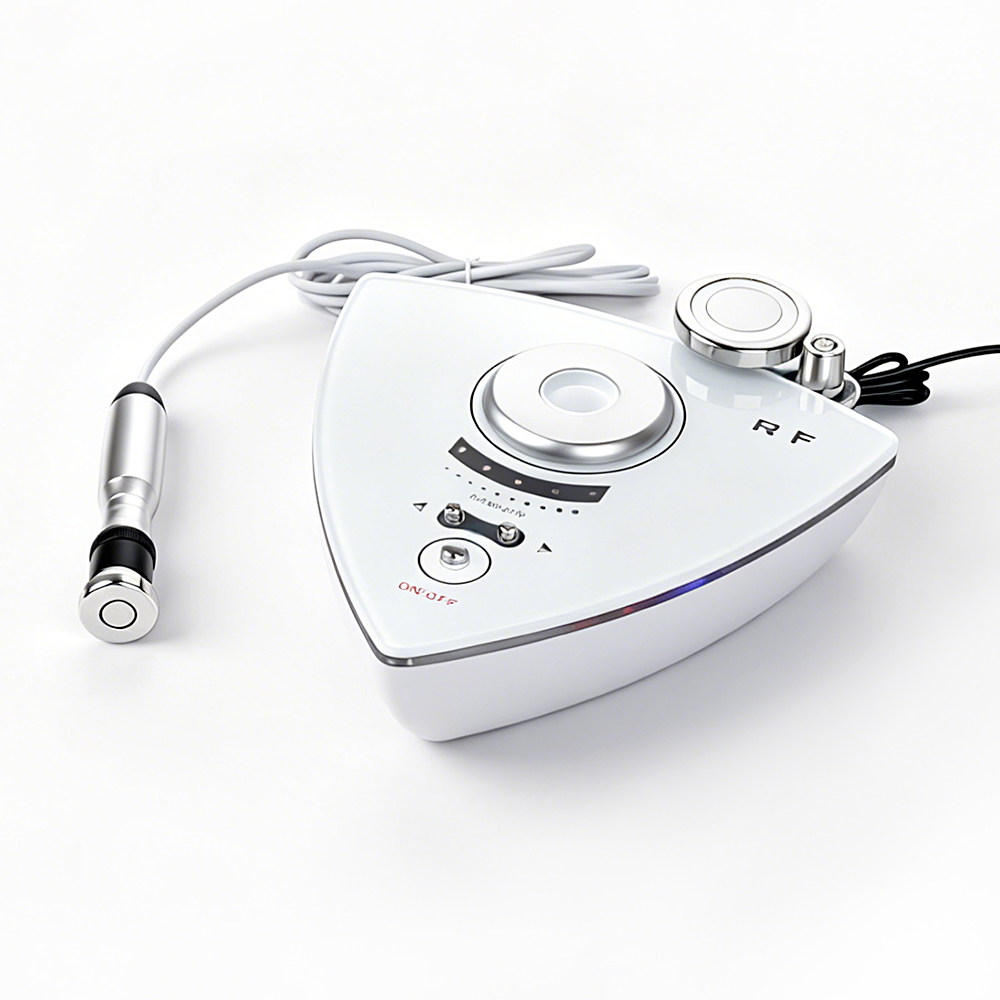
Most people assume a face lift means needles, downtime, and a hefty price tag. But the latest China face lifting device is flipping that script—delivering visible skin transformation without leaving your home. If you're skeptical, you're not alone. The market is saturated with gimmicky at-home tools that promise everything and deliver nothing. That's exactly why Omeina stands out. It's built for real results, not just hype. Curious how a handheld device can rival a spa treatment? Keep reading.
Why I Stopped Booking Monthly Facials
For years I treated monthly facials like a non-negotiable ritual, convinced my skin would revolt without them. But somewhere between the tinted moisturizer and the extra hot towel, I started noticing the same pattern: a temporary glow that faded into irritation, then a scramble to book again. The cycle felt less like self-care and more like a subscription I was afraid to cancel.
The real turning point came when I skipped a month out of sheer scheduling chaos. My skin didn't punish me. In fact, it calmed down. That's when I started paying attention to what was actually in those treatments—aggressive extractions, peels that left me red for days, and a rotating cast of products my skin never fully adjusted to. The more I learned about my own barrier, the clearer it became: my face wasn't thriving because of monthly appointments, it was surviving them.
These days I invest in simpler, consistent habits—a gentle cleanser, a decent retinoid, and sunscreen that doesn't feel like punishment. My skin is less reactive, my wallet is heavier, and I no longer dread the post-facial mirror check. I'm not saying facials are pointless, but for me, stopping the monthly grind was the best thing I ever did for my complexion.
The Lifting Trick That Works Under Your Chin
Most people never think about the muscle that actually controls the jawline from below. Instead of pinching or pulling skin, press the tip of your tongue flat against the roof of your mouth, right behind the front teeth, and hold it there while tilting your head back about two inches. You should feel a mild stretch under the chin—not in the neck—and that tension is the platysma waking up.
The real trick is doing this while swallowing slowly. Each swallow forces the deep muscles under the chin to lift and tighten, almost like a mini rep at the gym. Ten slow swallows in a row, twice a day, tends to sharpen the area faster than most creams or straps. Keep your lips closed and breathe through your nose the whole time; if your jaw clenches, you're pushing too hard.
A Two-Week Reality Check with an At-Home Device
I won't pretend I followed the instructions to the letter every single night. There were two evenings when I passed out before unpacking the device, and one morning where I rushed through the session just to say I did it. But most days, I stuck with it—same time, same spot on the bathroom counter, same slightly skeptical expression staring back at me in the mirror.
By the end of the first week, the changes were so small I almost wrote them off. My face looked less puffy before coffee, and the crease between my eyebrows didn't seem as deep in bad lighting. I told myself it was probably better sleep or the weather. Still, I caught myself checking the mirror more often, not out of vanity, but curiosity.
The second week is where the honest verdict landed. Nothing dramatic happened overnight, and it won't replace a good skincare routine or a full night's rest. But the device earned its spot on the counter, mostly because it made a two-week commitment feel doable. If you expect a transformation, you'll be disappointed. If you want a small, steady nudge in the right direction, it's worth the trial.
The 5-Minute Routine That Firms Without Irritation
Instead of the usual harsh tugging or icy rollers that shock capillaries, start with a feather-light sweep using the flat edge of your knuckles. Glide from the hinge of your jaw down the side of your neck to the collarbone, repeating for ninety seconds per side. The pressure should feel like you are smoothing lotion over thin paper, not kneading dough. This encourages fluid to move without dragging the skin, so the lower face looks less puffy and more defined right away.
Next, skip the tight clay or tingling peel. Press a thin, cool layer of unscented aloe gel into the cheeks, jawline, and forehead and let it sit for two minutes. The gel's natural polysaccharides create a gentle, temporary tightening as they dry, but they rinse clean with cool water before any redness appears. Seal the routine with a few drops of squalane tapped beneath the eyes and along the nasolabial folds. That final layer keeps moisture in place, preventing the rebound tightness that often follows aggressive firming products.
What Sensitive Skin Users Need to Know First
Before reaching for another product, stop and ask yourself what your skin is actually reacting to. Sensitive skin isn't a single condition—it could be a weakened barrier, an allergy to fragrance or preservatives, or a response to over-exfoliation. Many people assume they need stronger actives, but often the missing piece is simply less: fewer steps, fewer ingredients, and more patience. Start by stripping your routine back to a bland cleanser and a basic moisturizer for two weeks, then reintroduce one product at a time to spot the real trigger.
Pay attention to how your skin feels after washing with plain water. If it turns tight, red, or stings even without products, your lipid barrier likely needs repair, not exfoliation. Look for ceramides, squalane, and fatty acids rather than trendy acids or retinoids. And remember that "hypoallergenic" or "for sensitive skin" on the label means little—check the full ingredient list for common irritants like denatured alcohol, essential oils, and sodium lauryl sulfate. Your skin's reaction is the only test that matters.
Finally, track your flare-ups against your environment and habits. Hard water, hot showers, stress, and even laundry detergent can aggravate sensitivity as much as any serum. Keep a simple log for a few weeks: what you applied, what you ate, how you slept, and how your skin looked the next morning. Patterns will emerge that no generic advice can predict. Once you know your personal triggers, you can build a routine that supports your skin instead of fighting it.
Budget or High-End? How to Pick Without Regret
Price tags rarely tell the whole story. A $300 laptop handles emails fine, while a $2,000 one might sit unused for gaming because the owner never boots up a single title. The real trap isn't choosing between budget and high-end—it's buying based on someone else's workflow. Start with a brutally honest list of what you actually do daily, not what you imagine doing after an upgrade.
Budget gear has a hidden advantage: it forces you to learn efficiency. When storage is tight, you delete junk. When RAM is limited, you close tabs. But cheap components also fail quietly—slow hinges, dim screens, batteries that degrade in a year. High-end products often solve real annoyances (keyboard travel, fan noise, color accuracy), but they also carry a tax for features you may never touch: Thunderbolt ports on a web-browsing machine, 4K screens on a spreadsheet rig.
The no-regret shortcut is to pick the cheapest option that meets your top three non-negotiable needs, then spend the difference on a genuinely useful accessory—a proper chair, an external backup drive, or just keeping the cash. If you can't name a specific task that fails on the budget model, you don't need the premium one.
FAQ
It sends gentle microcurrents or sonic pulses into the skin and underlying muscles, waking up areas that have started to sag. Over time this can firm the jawline, lift the cheeks, and soften fine lines without any needles or downtime.
Most people get visible results with three to five short sessions a week for the first month. After that, two or three maintenance sessions weekly are usually enough to keep the lift looking fresh.
It won't fully duplicate what a trained esthetician can do with medical-grade equipment, but it comes surprisingly close for everyday upkeep. Think of it as the at-home alternative that saves you time and repeat appointment costs.
Yes, if you stick to the lowest intensity setting and avoid active breakouts or broken skin. Start with a patch test on your jawline and wait a day before treating your whole face.
The immediate lifted look can last anywhere from a few hours to a couple of days, depending on your skin's tone and age. With consistent use, the cumulative firming effect becomes more noticeable and longer lasting.
You might feel a light tingling or a subtle muscle twitch, especially on higher settings, but it shouldn't be painful. If it stings or feels too intense, lower the intensity or use more conductive gel.
Focus on build quality, adjustable intensity levels, and whether the brand is transparent about its technology. A good device should feel sturdy in your hand, have a clear manual, and offer a warranty or responsive customer support.
Absolutely. Apply a water-based serum or a dedicated conductive gel before gliding the device over your skin. Avoid oil-heavy products during the session because they can block the microcurrents from penetrating properly.
Conclusion
I used to book monthly facials without thinking twice, convinced that only professional hands could keep my jawline sharp. Then I tried one of those China face lifting devices on a whim—partly out of skepticism, partly because my esthetician moved away. The first thing I noticed was how the microcurrent pulses felt almost like tiny static taps under my chin, a strange but oddly satisfying wake-up call for muscles I didn't know I'd been neglecting. After two weeks of almost daily use, the change wasn't dramatic in a filtered-photo way, but my neck looked less puffy in morning video calls, and that soft pouch under my chin—the one I'd been hiding with scarves—started to feel firmer to the touch. It wasn't magic; it was more like a slow, quiet reset of muscle memory.
The routine that finally stuck was five minutes, usually while I waited for my coffee to brew. No gels, no aggressive scraping, just slow glides along my jawline and the sides of my neck. For my reactive skin, I learned the hard way that a thin layer of conductive serum beats a thick one—too much product left me red for an hour. If you're torn between a $40 device and a $300 one, ask yourself how often you'll actually use it after the novelty fades. The cheaper one did 80 percent of what the high-end demo promised, but the expensive model had smoother intensity steps that didn't startle my skin on bad days. Honestly, the real upgrade wasn't the tool itself; it was finally skipping the monthly facial and still liking what I saw in the mirror.
Contact Us
Contact Person: Tina Liu
Email: [email protected]
Tel/WhatsApp: 8618681405932
Website: https://www.omeinabeauty.com/