
Detailed Import Data Analytics Unveil Hidden Trade Opportunities
2026-06-14
Every shipment tells a story, but most traders only see the surface. Beneath the raw numbers of global trade lies a treasure trove of hidden opportunities—from untapped sourcing regions to rivals' supply chain shifts that can rewrite your market position. At Tendata, we don't just access import data; we decode it, turning granular shipment analytics into your competitive edge. Ready to discover what your competitors leave on the table?
Unusual Import Spikes That Signal Untapped Demand
When import data shows sudden, sharp increases for certain products, it often points to emerging consumer needs that haven't yet been fully recognized. These spikes aren't just statistical quirks—they can be early indicators of shifting preferences, gaps in local supply chains, or new use cases that existing businesses aren't addressing. By digging into customs records and freight data, you can spot trends months before they become mainstream, giving you a head start in capturing that untapped demand.
The key is to look beyond the obvious. A surge in imports of a niche component, for instance, might reveal a growing cottage industry or a regional shift in manufacturing. Similarly, a spike in a specific consumer good could hint at a cultural trend that hasn't yet spread. Savvy entrepreneurs and analysts treat these signals as a map—they show where demand is heading, not just where it has been. Connecting the dots between disparate import trends often uncovers opportunities that competitors overlook.
However, not every spike is a goldmine. Distinguishing between temporary blips and sustainable demand requires context. Cross-referencing import data with social media chatter, patent filings, or even satellite images of warehouse activity can help validate a signal. When multiple data sources align, the likelihood of genuine untapped demand increases. This approach turns raw trade statistics into a powerful tool for strategic planning.
Mapping Supplier Networks to Find Better Alternatives
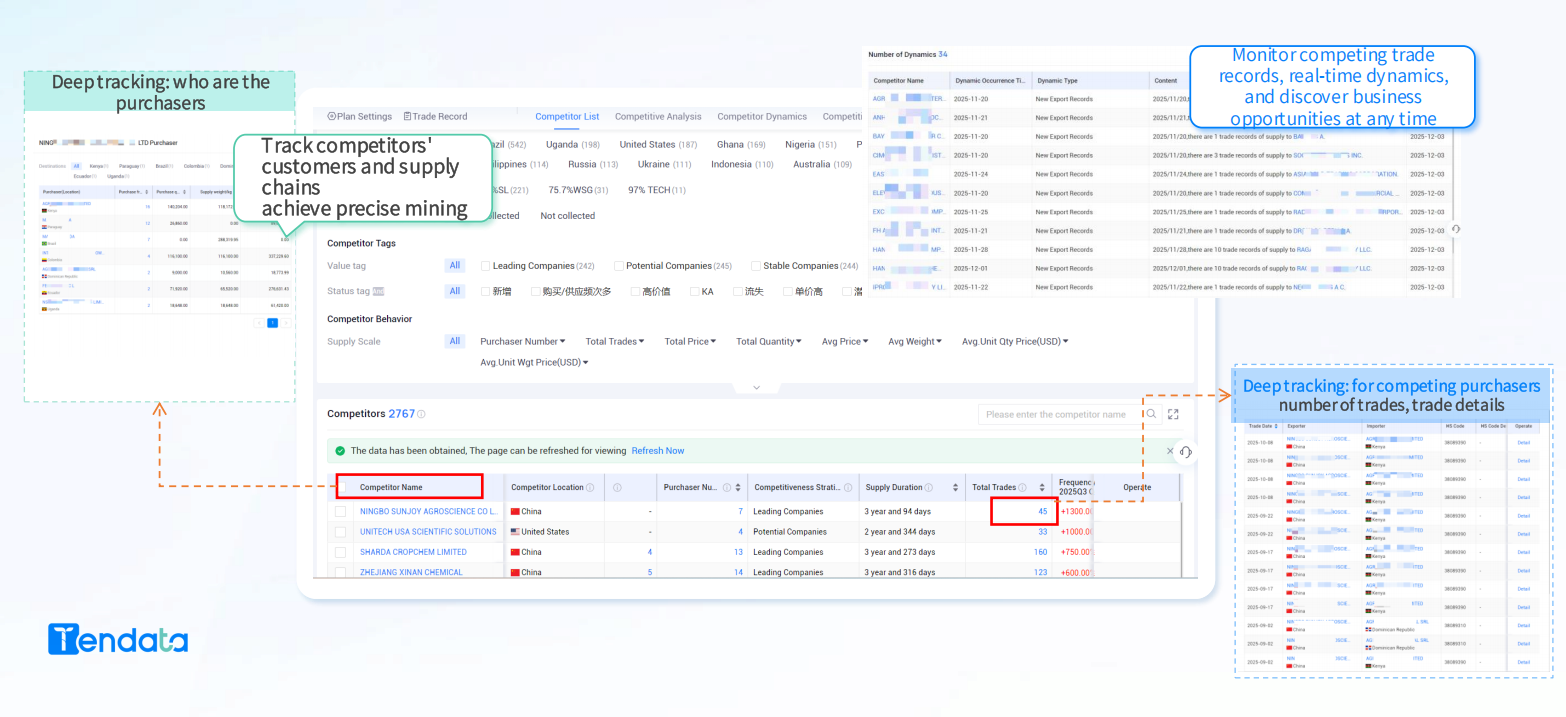
When companies look beyond their immediate tier-one partners, they often uncover hidden dependencies and single points of failure scattered across the sub-tiers. Visualizing these connections isn’t just about risk avoidance—it’s a strategic enabler. By charting who supplies whom, procurement teams can spot clusters of suppliers concentrated in politically volatile regions, identify factories shared by competitors, or discover niche providers that larger players overlook. This deeper visibility turns a static list of vendors into a dynamic map of opportunity.
The real value emerges when mapping reveals not just vulnerabilities, but superior alternatives that aren’t on the usual shortlists. A mid-sized manufacturer in Southeast Asia might offer faster turnaround than the incumbent, while a specialty materials firm in Eastern Europe could provide comparable quality at a lower tariff exposure. These insights rarely surface through standard RFPs—they require a methodical untangling of the supply web, often with the help of graph databases and network analysis tools. The goal is to systematically replace intuition with evidence, ensuring that every swap is backed by data on performance, resilience, and total cost.
Operationalizing this approach means embedding network thinking into everyday sourcing decisions. Cross-functional teams start by layering commercial data with real-time alerts on financial health, weather disruptions, and shipping delays. They then run “what-if” scenarios that simulate the impact of regional shutdowns or sudden demand surges. Over time, this builds a living supplier ecosystem model—one that flags not just when a partner underperforms, but who can step in with minimal disruption. The result is a more agile supply base, where the best alternative is always a known quantity, not a last-minute scramble.
Forecasting Seasonal Trends with Historical Shipment Data
Shipment records stretching back a few years are more than just a log of past activity—they're a window into recurring buying cycles. By sifting through monthly volumes and matching them against product categories or regions, patterns start to emerge that single out when demand spikes or dips. It’s not about crystal-ball predictions, but about letting the data reveal the rhythm that already exists in your supply chain.
Time-series techniques like seasonal decomposition let you strip away the noise from promotions or one-off events, leaving the baseline seasonal effect visible. Moving averages smooth out erratic weeks, while year-over-year comparisons pinpoint which period consistently drives higher shipments. The trick is to use a long enough history to avoid being fooled by an unusual year, yet flexible enough to catch shifts in consumer behavior.
Once you have a solid grasp of the seasonal patterns, the real work begins: adjusting inventory levels, refining procurement schedules, and aligning staffing with anticipated volume. A retailer might bump up stock for a summer surge seen three years running, or a manufacturer could stagger production runs to avoid bottlenecks. The goal isn't perfection—it's turning guesswork into informed decisions that keep operations running smoother when peak season hits.
Hidden Correlations Between Imports and Consumer Behavior
Shifts in import volumes often ripple through local markets in ways that aren’t immediately obvious. When a country begins importing more specialty cheeses from a particular region, it’s not just the dairy aisle that changes—kitchen habits, recipe searches, and even wine preferences start to pivot. These quiet adjustments reveal a deeper interplay between global trade flows and the everyday choices people make, reshaping demand patterns without any grand announcements.
Beyond the obvious price tags, imported goods carry subtle cues that can nudge entire categories. A surge in minimalist Scandinavian furniture, for instance, doesn’t just fill living rooms—it primes consumers to declutter, favor neutral tones, and eventually seek out complementary textiles or lighting. This ripple effect often happens below the radar of traditional market research, linking shipment data to behavioral shifts that unfold over months or years. By looking closely at what crosses borders, we can start to trace the invisible threads pulling on shopping carts and search bars alike.
Identifying Regulatory Changes Through Import Patterns
Trade data often reveals shifts in policy long before official announcements. A sharp drop in imports of specific chemicals, for instance, can signal the tightening of environmental rules, while a sudden surge in safety equipment purchases may reflect new workplace mandates. By monitoring these patterns, analysts can map out the practical impact of regulations as they ripple through supply chains.
Import volumes and commodity codes act as early indicators of changing legal landscapes. When a country restricts certain food additives, the importation of substitutes climbs, creating a trail of compliance that predates formal guidance. This kind of proxy tracking is especially useful in jurisdictions where regulatory processes move slowly or remain opaque, allowing businesses to adapt preemptively.
The granularity of customs data makes it possible to see not just what is being regulated, but how industries are responding. A decline in imported packaging materials made from single-use plastics, coupled with a rise in biodegradable alternatives, paints a clear picture of enforcement. Such insights help distinguish between voluntary corporate pledges and shifts driven by binding rules, giving strategic planners a more reliable foundation for decision-making.
How Niche Product Data Reveals High-Margin Opportunities
While everyone’s chasing the same trending items, the real profit often hides in the numbers nobody bothers to check. Digging into niche product data means looking at search volume patterns that aren’t obviously massive, but show steady, intent-driven queries. When you find terms like “custom vintage leather tool rolls” instead of just “tool bags,” you’re seeing a signal: a focused group of buyers who know exactly what they want and will pay extra for it. These micro-categories often have less competition, letting you price higher without the race to the bottom.
The data also tells you what’s missing from the market. By analyzing review sections and Q&A on similar products, you spot the complaints and feature requests that nobody is addressing. Maybe buyers are frustrated that a certain gadget only comes in plastic when they want brass, or they keep asking for adapter-free compatibility. Each of these pain points is a gap you can fill with a premium version, and because you’re solving a specific problem, the margin can be significant. The data here isn’t just numbers; it’s a direct line to what people will happily overpay for.
Then there’s the timing advantage. Niche product data often surfaces rising trends long before they hit mainstream platforms. A jump in forum posts, a cluster of saved search alerts, a blip in Etsy’s “most wanted” lists—these are breadcrumbs that lead to high-margin opportunities. When you act on these signals early, you’re not just selling a product; you’re defining a category. That kind of positioning lets you charge more because there’s simply no alternative, and data is what gets you there first.
FAQ
It's the practice of examining granular import records—like shipment volumes, values, origins, and product categories—to spot trends, gaps, and opportunities that summary reports often miss.
By dissecting patterns in supplier diversity, pricing shifts, and demand fluctuations, businesses can identify underserved markets, cheaper sourcing options, or emerging product niches.
Key indicators include consignee details, HS codes, port of entry, shipment frequency, and customs values. Crossing these with regional demand signals often exposes lucrative gaps.
Sure. A furniture retailer noticed a spike in Vietnamese timber imports to their region but low local furniture production—so they partnered with suppliers there and captured the market first.
Beyond spreadsheets, specialized platforms using machine learning, trend clustering, and anomaly detection on customs databases help turn raw data into actionable trade leads.
While standard research often relies on surveys or aggregate statistics, detailed import analytics uses actual transaction records, giving a more immediate and unfiltered view of trade flows.
Importers, exporters, logistics firms, and even investors gain an edge—especially those in fast-moving consumer goods, electronics, or commodities where sourcing decisions shift quickly.
Most import records are publicly available via customs authorities, so there's no privacy breach. However, businesses must comply with data usage terms and avoid competitive intelligence that crosses ethical lines.
Conclusion
Peeling back the layers of import data often uncovers surprising trade signals that most companies overlook. Sudden, unexplained spikes in shipment volumes for certain product categories frequently point to emerging consumer appetites that haven't yet been saturated by local supply. Instead of following the crowd, businesses that map out the full web of suppliers behind these surges can pinpoint alternative sources, often with better pricing or more flexible terms. Historical shipment patterns add another dimension: by analyzing how volumes ebb and flow across seasons, companies can preempt inventory crunches or cash in on predictable demand waves before competitors even notice. The data also paints a vivid picture of how regulatory shifts ripple through supply chains—when imports of a specific material suddenly drop or shift origin, it's usually a telltale sign of new tariffs, bans, or compliance hurdles, opening windows for substitute goods or services.
Beyond the obvious trends, import analytics become truly powerful when they connect the dots between what enters a country and what consumers actually do. Hidden correlations—like a rise in specialty coffee imports tracking closely with the opening of boutique bakeries in secondary cities—reveal lifestyle-driven demand that general market reports miss. This granular view also exposes niche product segments where import volumes are small but margins are disproportionately high, often because the data signals an underserved but loyal customer base. Smart organizations use this intelligence not just to optimize today's sourcing, but to rewrite their entire market entry playbook, turning customs records into a strategic compass. In a business landscape where information is abundant but actionable insight is rare, detailed import analytics cuts through the noise, transforming raw trade statistics into a clear map of untapped opportunity.
Contact Us
Contact Person: Grace
Email: [email protected]
Tel/WhatsApp: +86 18721992033
Website: https://www.tendata.com