Dongba Culture in China Yushui Village A Living Legacy of the Naxi People
2026-09-13
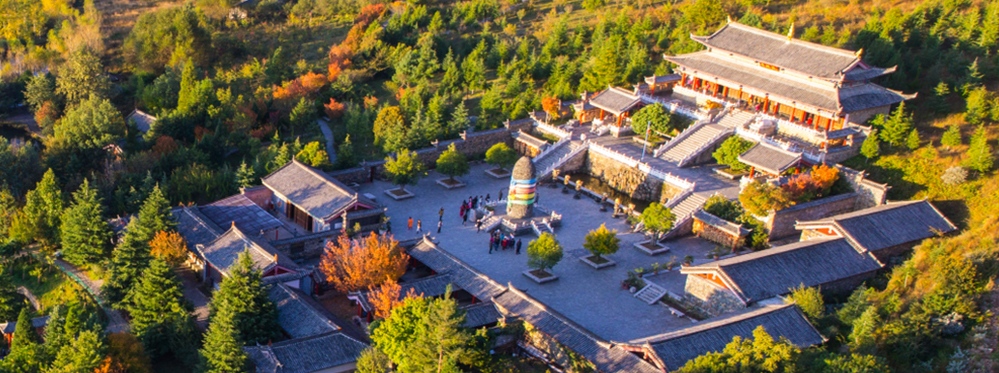
Tucked beneath the glacial slopes of Jade Dragon Snow Mountain, Jade Water Village is one of the last places where Dongba Culture still hums in daily life—not as a museum piece, but as the living memory of the Naxi people. Here, shaman-priests still trace pictographs that outsiders once called a lost script, and the splash of spring water outside a courtyard can carry a story older than many written histories. This is not simply a village; it is a doorway into a legacy that refuses to fade. Walk with us through its stone lanes, and you will quickly see why Yushui Village remains one of China’s most quietly astonishing cultural sanctuaries.
A Village Where the Naxi Still Write to Their Ancestors
In a quiet Naxi village, the old Dongba script still moves between the living and the dead. Men and women sit near open windows, dipping brushes into ink made from pine soot, and write letters no postal service will ever carry. These are not diary entries or keepsakes—they are messages folded into smoke, addressed to ancestors who are believed to wander close to the family stove.
The paper is never read by another person. It is burned in a small iron bowl, the pictographs curling into gray moths that drift toward the rafters. Children sometimes watch, learning the strokes not from a classroom but from the patient hands of their grandparents. What they inherit is more than a script; it is the idea that writing can be a private bridge, a way to keep a conversation going across generations.
To stand in that room is to realize that memory here is not stored in archives or memorial halls. It is made fresh each time someone picks up a brush, chooses a symbol for “mountain” or “home,” and sends it into the air for eyes that no longer close.
Dongba Priests, Living Rituals, and the Last Unbroken Script
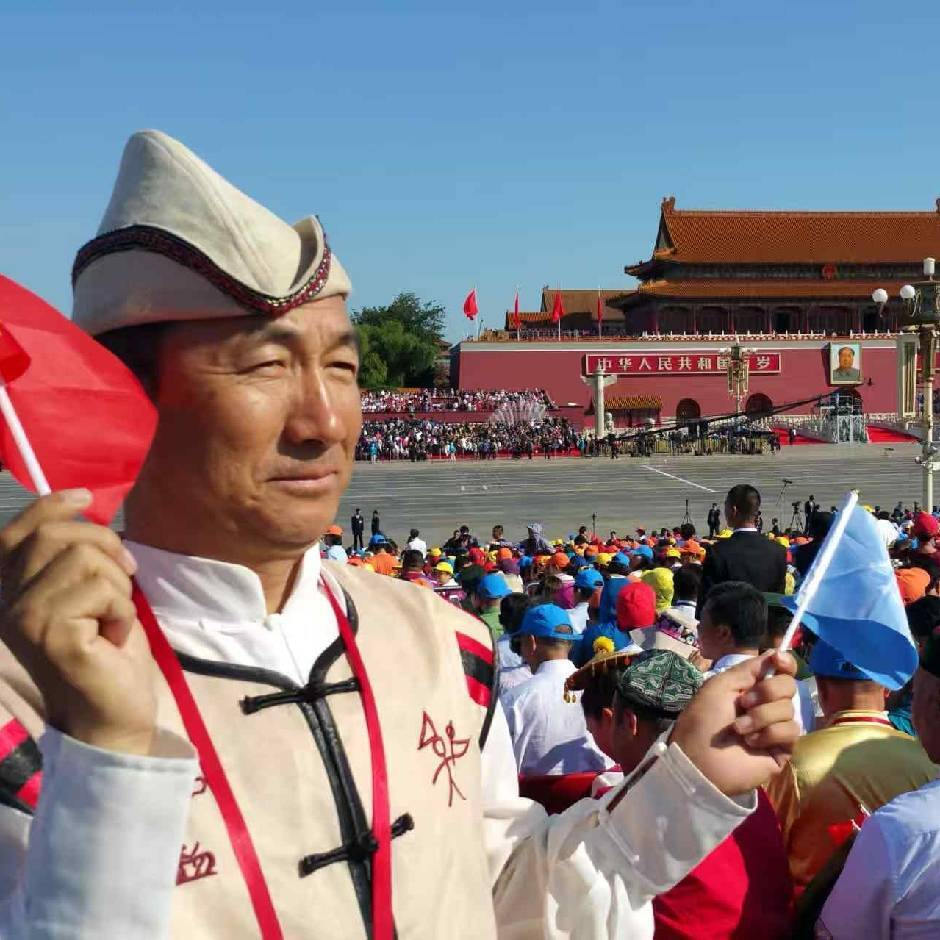
In the foothills of the eastern Himalayas, the Dongba priests still move through their days with a quiet insistence that the old ways have not yet faded. They are not performers putting on a show for visitors; they are keepers of a lived tradition, stepping into roles that their fathers and grandfathers held before them. When a Dongba chants, the words do not come from a printed book meant for casual reading. They rise from a memory that has been shaped by decades of listening, repeating, and standing beside an elder as the smoke of juniper curled upward. These men — and increasingly, a few women — carry the weight of a community's spiritual life, but they carry it without grand gestures. A nod, a pause, a specific flick of the wrist while scattering grain: these small acts hold more meaning than any sermon.
The rituals themselves are not frozen in time, even if outsiders imagine them that way. A Dongba ceremony might begin before dawn and stretch until the stars come out, but within that long arc there is room for laughter, for children chasing a stray chicken, for a grandmother correcting the placement of a bowl. The living part of these rituals is not their exact repetition but their ability to absorb the present moment. When a family asks for healing or a blessing for a new home, the Dongba does not simply recite an ancient formula. He asks about the family's troubles, listens to what has changed since last season, and then weaves those details into the structure of the rite. This is why the tradition has survived conquests, migrations, and the pull of modern cities: it bends without breaking.
At the heart of this endurance is the script itself — often called the last unbroken pictographic writing system in the world. Unlike scripts that evolved into abstract letters or were replaced by a conqueror's alphabet, the Dongba characters still resemble the things they name. A drawing of a man with a plow means to plow. A bird with an open beak means to sing. But this is no simple picture book. The script is layered with puns, borrowed sounds, and symbols that only make sense when you know the story behind them. A Dongba priest can read a page and see not just a list of words but a map of the spirit world, a set of instructions for the living, and a record of what the ancestors considered worth remembering. What makes it unbroken is not that every character survives unchanged — some have been lost, others altered — but that the line of transmission has never fully stopped. There is no gap, no silent century where no one could read the old pages. The hand that writes today is connected, through a chain of teachers and students, to the hand that first scratched these symbols onto bark and hide. And as long as that chain holds, the Dongba priests will not be mere custodians of a museum piece. They will be living parts of a conversation that began long before any of us were born, and shows no sign of ending soon.
The Waterfall, the Wishing Tree, and Other Quiet Corners of Yushui
Tucked behind a bend in the old stone path, the waterfall in Yushui doesn't roar so much as murmur. In late afternoon, the light filters through maple leaves and turns the falling water into a scatter of coins. There is a bench nearby that no one seems to have built on purpose; it's just a broad, moss-covered rock that happens to be the right height. Most visitors walk past it, aiming for the viewpoint higher up. But if you sit there long enough, the sound of the water begins to rearrange your thoughts, ironing out the creases left by buses and phone screens and too many hurried meals.
A little farther along, where the path narrows and the rhododendrons grow thick, stands the wishing tree. It's not marked on the official map, but you'll know it by the ribbons—some faded to white, some bright as fresh bruises—tied to its lower branches. People write their wishes on scraps of paper, or sometimes on the ribbons themselves. A few are funny: one asks for a passing grade in mathematics. Another simply says, "Let her notice me." The tree doesn't grant anything, of course. That's not the point. The point is the small ceremony of tying a knot and walking away, leaving something behind that isn't heavy.
Beyond the waterfall and the wishing tree, Yushui keeps other quiet corners for those who slow down. A stone pavilion half-hidden by bamboo, where the roof leaks only when it rains from the east. An old well with a wooden cover and a carved dragon that has lost both its whiskers. A stretch of path where the stones are worn smooth by years of unhurried feet. None of these places appear in travel guides, and that's exactly why they hold. If you come looking for them, don't ask for directions. Just follow the sound of water, and when you see the ribbons, leave your own.
Why Dongba Culture Refuses to Become a Museum Piece
The Dongba scripts hanging in Lijiang's guesthouses might look like relics, but walk into a Naxi village during a healing rite or a funeral, and you'll see those same pictographs being chanted, not just admired. Dongba priests still memorize hundreds of chants and use the script to communicate with spirits, which means the writing system stays tied to living decisions—when to plant, how to cure a fever, how to send off the dead. It's not preserved under glass; it's performed.
This refusal to be archived also shows in the way younger Naxi learn the script. Instead of simply copying ancient manuscripts, they practice it through seasonal ceremonies and community gatherings. A character for "wind" or "mountain" isn't just drawn; it's invoked while standing in the actual wind or facing that mountain. That experiential link keeps the culture from turning into a static exhibit, because its meanings shift with each new context and each new generation that decides to pass it on.
One Morning Inside the Naxi Calendar: Ceremonies You Can Actually Join
At dawn in the old quarter of Lijiang, the first sound isn't a tour bus but the scrape of a key turning in a courtyard gate. If you arrive on the right morning in the Naxi calendar—say, the day when the Dongba priest marks a small ink circle beside the moon phase—you'll be waved inside, handed a cup of hot buckwheat tea, and asked to stand near the brazier, not as a spectator but as a guest. The ceremony that follows is not a reenactment.
The priest, often an older man in a blue cloth cap, opens a palm-sized book of pictographs and begins to chant. Smoke from artemisia and pine needles curls over the stone pavement. A rooster crows in the next lane. Offerings—rice, salt, a bowl of clear water—are placed on a low table facing the mountain. You're free to photograph the courtyard before and after, but during the chanting the only expected role is silence, and maybe a nod when the priest passes you a sprig of juniper to toss into the fire.
To find these mornings, skip the ticket booths. Ask at a family-run guesthouse around Shuhe or Baisha whether a birth, a healing, or a seasonal offering is scheduled in the coming days. If the answer is yes, bring a small bag of rice or fruit as a token, leave leather belts and hats at the door if asked, and don't expect a printed program. The Naxi calendar doesn't run on clock time; it runs on the needs of the household, the weather, and the spirits they believe are listening.
Reading Pictographs on a Stone Wall Before Breakfast in Yushui
The air still holds the night's dampness when I step outside, bowl of tea in hand. Yushui's stone wall rises from the mist like a half-remembered sentence. I trace the shallow grooves with a fingertip—some marks are curved like water, others sharp as split bamboo. Before the first meal, these pictographs seem to demand a slower kind of attention, one that doesn't need to name everything.
A local elder once told me the wall is not meant to be deciphered quickly. You read a few symbols, then let the tea cool, then return. The shapes shift with the light. What looked like a bird at dawn could be a boat by midmorning. I've stopped trying to translate them into neat phrases. Instead I follow the rhythm of the carver's hand, the pauses where the chisel lifted, the places where rain has softened a line into something new.
By the time breakfast is ready, I've read only a handspan of stone. But it feels like enough. The wall doesn't offer conclusions—just a way of seeing before the day fills up with ordinary words.
FAQ
Dongba culture is the traditional religious and artistic system of the Naxi people, rooted in the teachings of the Dongba priests. It matters because it preserves one of the world’s last remaining pictographic writing systems and a distinctive view of nature and the spirit world that still guides daily life in places like Yushui Village.
Yushui Village sits at the foot of the Jade Dragon Snow Mountain near Lijiang in Yunnan Province. The alpine springs and forested slopes around it are not just scenery; they are woven into Dongba rituals and the Naxi sense of sacred landscape.
Because the rituals, writing, and dances are still performed by villagers and priests as part of real community life, not just reenacted for tourists. Elders teach younger generations, and seasonal ceremonies still mark planting, healing, and ancestral remembrance.
Dongba priests are ritual specialists, healers, and keepers of the pictographic script. In Yushui Village they still lead ceremonies, recite chants, and pass on knowledge, though their role has shifted from full-time religious authority to cultural guardian and teacher.
Visitors can see it quite openly—carved on stones, painted on wooden boards, and written by local practitioners. Some workshops even let you try copying the pictographs with bamboo pens, though the sacred texts themselves are treated with care.
The Naxi language is the vessel for Dongba chants and the pictographs. In Yushui Village, older residents speak Naxi daily, while younger people often mix it with Mandarin. Language classes and village events try to strengthen everyday use.
Depending on the season, you might witness a nature-worship rite, a healing ceremony, or the Sanduo Festival honoring the Naxi protective deity. These events involve chanting, offerings, circle dances, and sometimes bonfires that last late into the night.
The village treats water sources, trees, and mountain spirits with restraint—springs are kept clean, certain old trees are not cut, and offerings are made before major changes to the land. This quiet daily respect is perhaps the clearest sign that the tradition is still alive.
Conclusion
In Yushui Village, the Naxi people haven't simply preserved Dongba culture—they live inside it. There, the rare pictographic script still carries messages between the living and their ancestors, written not as a curiosity but as a daily act of remembrance. Dongba priests remain central to village life, guiding ceremonies that mark births, harvests, and passages of the moon. What makes this place striking is that the script survives not in a display case but in unbroken practice—passed hand to hand, learned through ritual rather than archive. The village refuses the fate of a museum piece because every painted character, every chant, and every burning of incense belongs to a calendar that still turns.
A morning in Yushui might begin with reading pictographs etched into a stone wall before breakfast, tracing symbols for mountain, water, and wind while the village wakes. From there, the day unfolds quietly. A waterfall feeds a pool where wishes are tied to an old tree, their red ribbons fluttering among leaves. Visitors are not mere spectators. They can join seasonal ceremonies, entering the Naxi calendar rather than observing it from a distance. Between the sound of falling water, the scent of pine smoke, and the sight of a priest dipping a bamboo pen into ink, Dongba culture reveals itself as something ongoing—not a relic, but a living grammar of belonging.
Contact Us
Contact Person: Changhong He
Email: [email protected]
Tel/WhatsApp: 086-0888-5190152
Website: https://vip.e-baixing.com/ysh