
Efficient Conveying System Solutions: Enhancing Productivity Across Industries
2026-04-22
In today's fast-paced industrial landscape, efficiency is the cornerstone of success. Businesses across sectors—from manufacturing and logistics to agriculture and beyond—face mounting pressure to streamline operations and maximize output. At the heart of this challenge lies the crucial role of conveying systems, which often go unnoticed but are essential for seamless material handling and productivity. This is where Fanchang Machinery steps in. With innovative solutions tailored to diverse industry needs, Fanchang Machinery has been at the forefront of revolutionizing how materials move, enhancing reliability, and driving operational excellence. In this blog, we'll explore how efficient conveying systems not only boost productivity but also unlock new potentials, and why partnering with a leader like Fanchang Machinery can transform your operations for the better. Let's dive into the world of smart conveying and discover the tools to stay ahead in a competitive market.
Optimizing Material Flow for Seamless Operations
Achieving seamless operations requires more than just moving materials from point A to point B—it demands a careful orchestration of flow that minimizes bottlenecks and maximizes efficiency. By analyzing the entire supply chain, from raw material procurement to final product delivery, businesses can identify hidden inefficiencies and implement targeted improvements. This might involve adopting just-in-time inventory systems, streamlining warehouse layouts, or integrating real-time tracking technologies to monitor material movement. The result is a smoother, more responsive operation that reduces waste and enhances productivity.
Beyond traditional methods, optimizing material flow often involves embracing innovative approaches like data-driven analytics and cross-functional collaboration. For instance, using predictive models can forecast demand fluctuations, allowing for proactive adjustments in material allocation. Additionally, fostering communication between departments—such as procurement, production, and logistics—ensures that everyone is aligned with the flow objectives, preventing missteps that could disrupt operations. When materials move seamlessly, customer satisfaction improves due to faster delivery times and consistent quality.
Ultimately, the goal of optimizing material flow is to create a resilient system that adapts to changing conditions without sacrificing performance. By leveraging automation, such as robotic process automation for repetitive tasks, companies can reduce human error and speed up processes. This not only cuts costs but also builds a foundation for scalability, enabling businesses to grow without operational hiccups. Investing in such optimizations pays off in the long run, fostering a competitive edge in today's fast-paced market.
Advanced Conveyor Designs that Boost Throughput
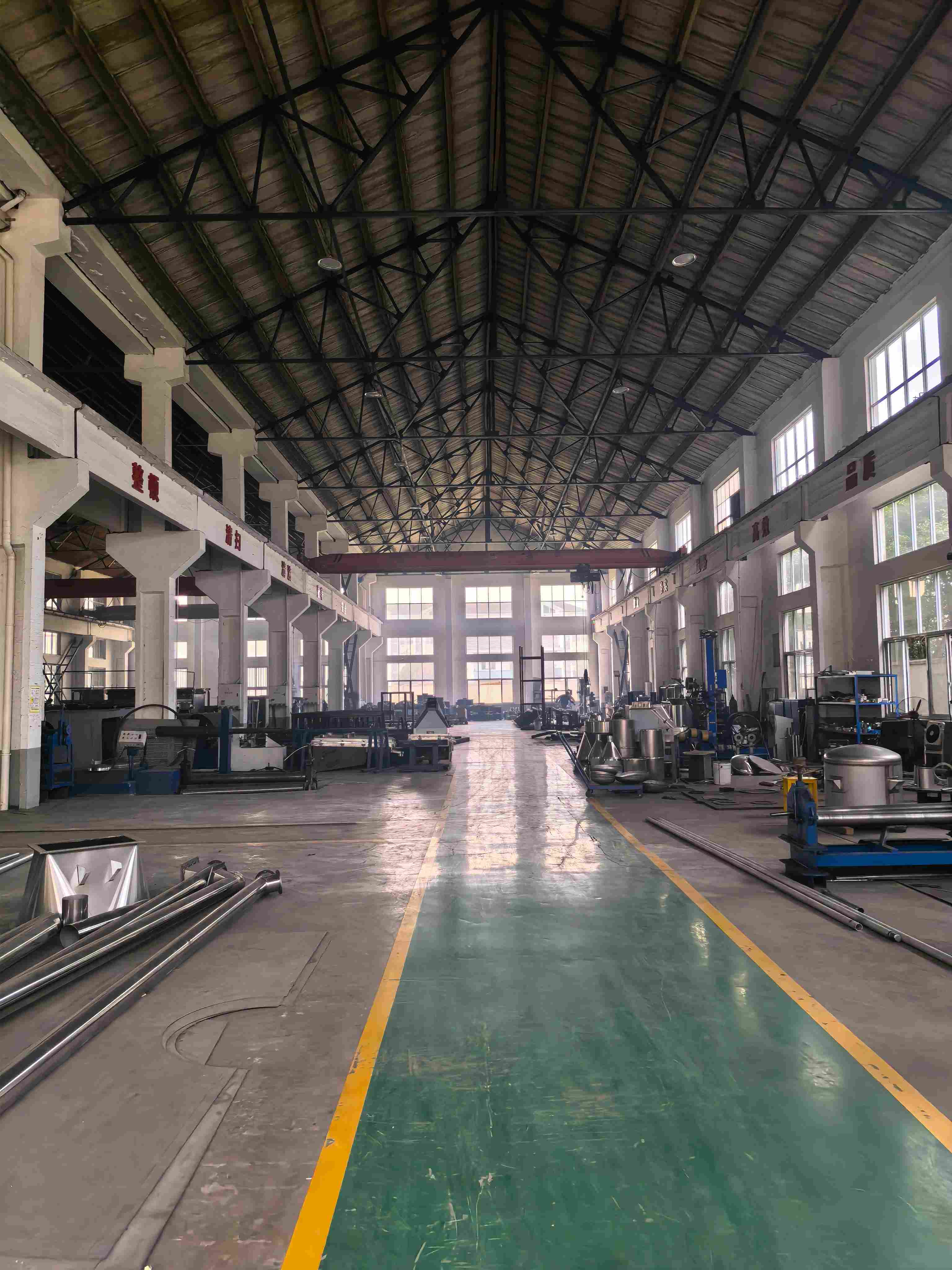
Modern conveyor systems are revolutionizing logistics and manufacturing by incorporating advanced elements like AI-driven automation and modular engineering. These designs adapt in real-time to changes in production flow, adjusting speed and direction to minimize bottlenecks and ensure a seamless movement of goods. For example, smart conveyors equipped with sensors can detect items and optimize routing, reducing idle time and significantly increasing overall throughput without requiring manual intervention. This dynamic approach allows facilities to scale operations efficiently, helping them meet demanding deadlines with greater precision.
Another key innovation lies in the integration of high-speed, low-friction materials and aerodynamic configurations that cut down on energy consumption while maximizing speed. By employing composite belts and rollers designed to reduce drag, these systems can handle heavier loads at faster rates, which is crucial for industries like e-commerce where quick turnaround is essential. Additionally, the use of modular components makes it easier to customize conveyors for specific tasks, ensuring they can be reconfigured as needs evolve without extensive downtime or costly upgrades.
Collaborative robotics is also playing a pivotal role in advanced conveyor designs, with robots working alongside conveyors to sort, pack, and load items more efficiently. This synergy enhances throughput by automating repetitive tasks and freeing up human workers for more complex roles. Such setups often include predictive maintenance features that monitor wear and tear, preventing unexpected breakdowns and maintaining consistent performance. By combining these technological elements, businesses can achieve a competitive edge through faster, more reliable material handling that directly boosts productivity and operational flexibility.
Tailored Solutions for Diverse Industrial Needs
In today's fast-paced industrial landscape, a one-size-fits-all approach simply doesn't cut it anymore. Every sector, from manufacturing and logistics to energy and technology, faces its own unique set of challenges and opportunities. That's where tailored solutions come into play—by digging deep into the specifics of each industry, we can design strategies and tools that aren't just effective, but transformative.
Take manufacturing, for instance. While automation is a buzzword across the board, the real magic happens when we customize these systems to handle the precise materials and workflows that define a client's operations. Or consider the energy sector: solutions that work for a solar farm might fall flat for an offshore wind operation. By focusing on these nuances, our team ensures that each implementation is as unique as the industry it serves.
The beauty of this tailored approach lies in its flexibility—it adapts to evolving needs and unexpected shifts, making industries more resilient and forward-thinking. At the end of the day, it's not just about solving problems; it's about crafting partnerships that drive sustainable growth in an ever-diverse world.
Integrating Automation to Elevate Production Lines
Automating production lines isn't just about swapping out human workers for robots; it's a deliberate strategy to refine every step of manufacturing. By weaving in smart sensors and AI-driven systems, you can catch inefficiencies in real time, whether it's a machine that's running too hot or a conveyor belt that's slowing down unexpectedly. This proactive adjustment means fewer delays and smoother operations, turning what used to be reactive fixes into seamless, continuous improvement.
What sets this approach apart is how it transforms the worker's role on the floor. Instead of repetitive tasks, employees shift to overseeing these automated processes, troubleshooting issues, and focusing on quality control—areas where human insight truly shines. It creates a synergy where machines handle the heavy lifting, and people bring creativity and problem-solving to the table, leading to a more dynamic and satisfying work environment.
Beyond the immediate gains in speed and consistency, integrating automation opens doors to customization and scalability. With flexible systems in place, you can easily tweak production for different products or ramp up output during busy seasons without major overhauls. This agility keeps you competitive, allowing you to adapt quickly to market changes while maintaining high standards, ultimately building a resilient operation that's ready for whatever comes next.
Strategies for Minimizing Downtime and Maintenance
To keep your operations running smoothly, consider adopting a proactive maintenance schedule that addresses potential issues before they escalate into costly downtime. This involves regular inspections and data-driven analytics to predict equipment failures, allowing teams to plan interventions during off-peak hours. By shifting from reactive fixes to predictive strategies, you can significantly reduce unplanned outages and extend the lifespan of critical assets.
Another effective approach is implementing modular designs and redundancy in key systems, ensuring that if one component fails, others can seamlessly take over without interrupting service. This strategy not only minimizes disruptions but also simplifies maintenance, as modules can be swapped out or upgraded independently. It's particularly valuable in high-availability environments where even brief pauses can lead to significant financial or operational impacts.
Leveraging automation and remote monitoring tools can further enhance these efforts by enabling real-time oversight and swift responses to anomalies. For instance, automated alerts can notify teams of emerging issues, allowing for immediate action from anywhere. This reduces the need for on-site interventions, cuts maintenance time, and helps maintain a consistent flow of operations, ultimately boosting overall efficiency and reliability.
Future-Ready Innovations in Conveyor Technology
In today's fast-paced industrial landscape, conveyor systems are undergoing a quiet revolution, with innovations focusing on adaptability, efficiency, and sustainability. One standout trend is the integration of smart sensors and IoT connectivity. These advanced systems can monitor everything from belt tension to energy consumption in real-time, allowing for predictive maintenance that slashes downtime and boosts productivity. Imagine a conveyor that alerts operators to a potential jam before it even happens—this isn't sci-fi but a reality in modern factories where AI-driven analytics optimize workflows seamlessly.
Another exciting development lies in modular and flexible designs, catering to the rise of customized production lines. Unlike rigid traditional setups, these conveyors can be easily reconfigured or expanded to handle diverse product sizes and weights without major overhauls. For instance, magnetic levitation conveyors are gaining traction by eliminating friction, enabling smoother, quieter operations ideal for delicate items like electronics or pharmaceuticals. This flexibility not only future-proofs facilities but also reduces waste and energy use, aligning with eco-friendly business goals.
Looking ahead, innovations in material science are pushing boundaries with self-cleaning belts and antimicrobial surfaces, crucial for hygiene-sensitive sectors like food processing. Meanwhile, energy recovery systems harness kinetic energy from decelerating loads to power other parts of the line, cutting costs and carbon footprints. These breakthroughs aren't just incremental upgrades; they represent a shift toward conveyors that think, adapt, and evolve, empowering industries to meet tomorrow's demands with agility and foresight.
FAQ
Efficient conveying systems boost productivity across diverse sectors like manufacturing, mining, and logistics by streamlining material handling and reducing downtime, ensuring smooth operational flow.
They accelerate material transportation, minimize manual labor, cut operational costs, and improve workflow consistency, leading to higher output and better resource utilization.
Prioritize durability, energy efficiency, customization options, and smart technologies for automated monitoring, which adapt to specific needs and future-proof operations.
In food processing, conveyor belts with hygienic designs and speed controls ensure safe, swift movement of ingredients, preventing contamination and meeting strict safety standards.
With robust construction and predictive maintenance tools, they reduce breakdown risks, extend equipment lifespan, and offer easy access for repairs, minimizing disruptions.
IoT integration enables real-time tracking, data analytics for optimization, and remote management, driving smarter, more responsive systems that adapt dynamically to demands.
Tailored solutions account for unique material types, space constraints, and safety regulations, ensuring efficient handling without compromising on industry-specific requirements.
Evaluate through metrics like reduced energy consumption, lower labor costs, increased throughput, and decreased waste, which collectively enhance profitability over time.
Conclusion
Efficient conveying system solutions play a pivotal role across various industries by optimizing material flow for seamless operations, thereby enhancing overall productivity. These systems not only streamline processes but also incorporate advanced conveyor designs that significantly boost throughput, ensuring that materials move quickly and reliably from one point to another. By addressing diverse industrial needs with tailored solutions, businesses can achieve greater efficiency and adaptability in their production environments. This focus on customization helps eliminate bottlenecks and aligns with specific operational requirements, fostering a more dynamic and responsive workflow. Moreover, the integration of automation into production lines elevates performance by reducing manual intervention, increasing precision, and enabling continuous operation. This shift toward automated systems supports higher output levels while maintaining quality standards, making it a crucial element in modern industrial strategies.
To sustain these gains, strategies for minimizing downtime and maintenance are essential, ensuring that conveying systems remain operational with minimal disruptions. Proactive approaches, such as predictive maintenance and robust design features, help prevent costly breakdowns and extend equipment lifespan. Looking ahead, future-ready innovations in conveyor technology are set to further transform industries by introducing smarter, more energy-efficient, and adaptable systems. These advancements promise not only to enhance productivity but also to support sustainability goals and adapt to evolving market demands. By embracing these trends, companies can build resilient and cutting-edge conveying infrastructure that drives long-term success across multiple sectors.
Contact Us
Contact Person: Darye WANG
Email: [email protected]
Tel/WhatsApp: 86-13501017897
Website: https://www.fcntd.com/