
High Speed Paper Bag Machine Maker Guide for Reliable Packaging Production
2026-11-24
If your packaging line still loses hours to jams, uneven glue, or bag bursts, you already know the real cost of settling for average equipment. This guide cuts through the noise around high-speed paper bag machines and shows what actually makes a maker reliable in daily production. Whether you run a food-grade, grocery, or retail packaging operation, the difference between downtime and throughput often comes down to a few overlooked engineering details—not just advertised speed. We’ll walk through what to check before you buy, where hidden failures start, and why machines like ROKIN are built for the kind of repeatable output that keeps your line moving shift after shift.
Where High-Speed Claims Meet Real Shift Output
Manufacturers love quoting shift times measured in sterile test cells, but those figures rarely survive contact with heat, driveline load, and repeated launches. The gap between a spec sheet and what the gearbox actually delivers at the wheels is where this kit earns its reputation. It is not about the smallest possible number on a marketing slide; it is about holding that speed across back-to-back pulls without the shifts getting soft or inconsistent.
Real shift output shows up in data logs when the torque interruption stays brief under full throttle and the next gear engages without a hesitation that upsets the chassis. That means more than a fast solenoid or aggressive software. It requires synchronizer work, clutch pack behavior, and hydraulic pressure that stay predictable when fluid temperatures climb. On a timed run, a gearbox that shifts 20 milliseconds slower but does it every time will often outrun one that posts a hero lap and then falls off.
The result is a drivetrain that feels less like a collection of fast components and more like one consistent mechanism. You notice it most when you stop thinking about the shifts entirely, because the car just moves forward with each upshift instead of pausing to prove a point. That is the difference between claiming speed and actually producing it where the driveshaft turns.
Paper Tension Settings That Prevent Mid-Run Jams
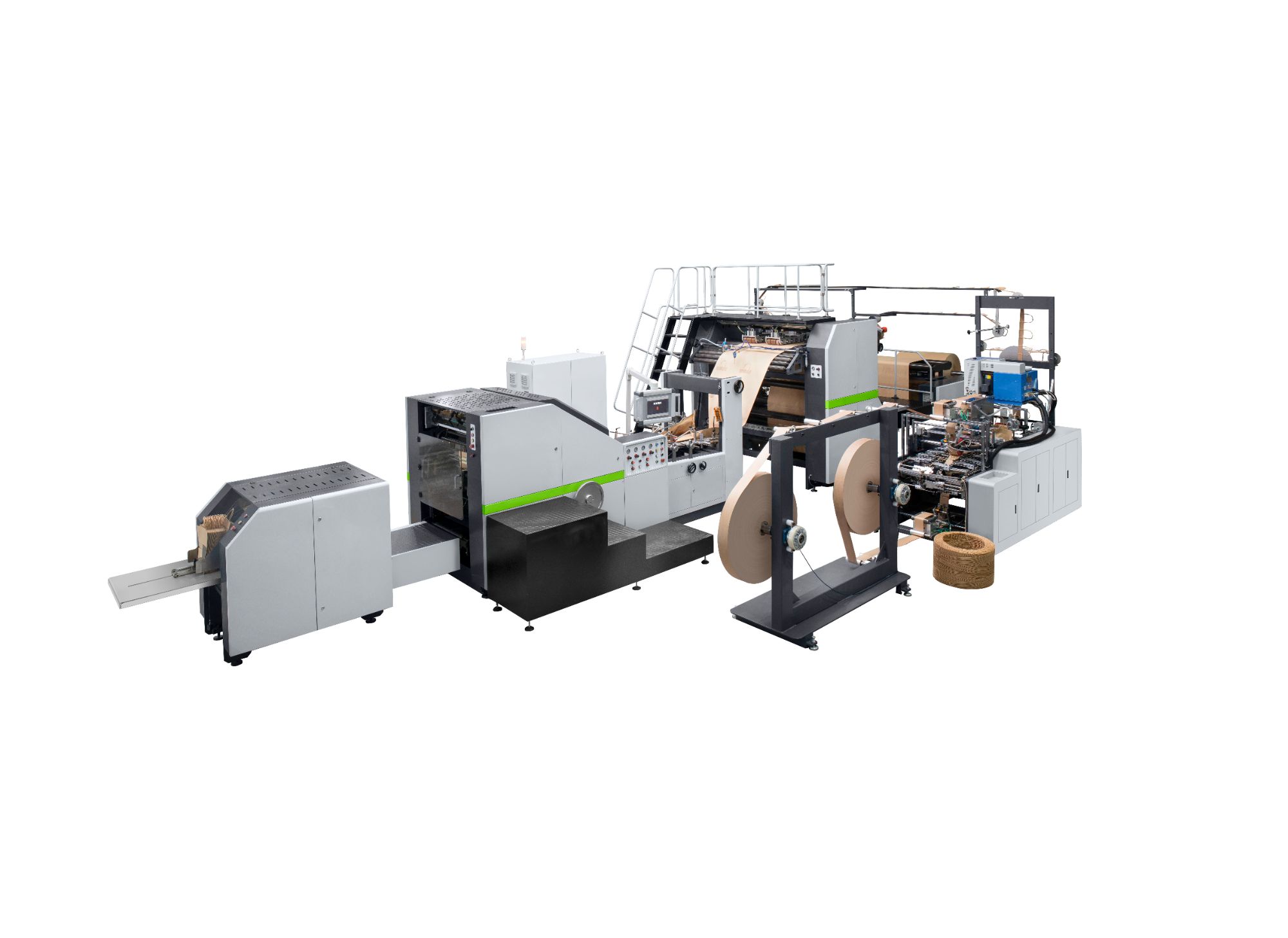
Most mid-run jams blamed on paper stock actually trace back to tension drift. A setting that holds fine for the first thousand sheets can slowly pull the web or stack out of square as the roll diameter changes or the feed rollers warm up. Checking tension only at startup gives a false sense of stability.
Start at the lower end of the paper manufacturer's range and raise tension just enough to stop lateral movement or fluttering at the infeed. The goal is not to eliminate every hint of movement; it is to keep the sheet entering the same line each cycle without building stretch. Watch the edges near the first pull roller. If they ripple or curl upward, back off before the run begins to fight itself.
Humidity shifts during a long run change paper stiffness, so a tension that was perfect after setup can become aggressive by mid-morning. Many operators keep a short log of the minimum tension needed to prevent skew at different humidity levels. That record is often more useful than a single recommended number, especially when switching between coated, uncoated, or recycled stock.
Changeover Habits That Keep Short Orders Profitable
Short runs fall apart when setup time eats the margin. Shops that stay profitable treat changeover as a repeatable drill, not a scramble. Tooling gets staged on a cart before the previous job ends, and every machine has a fixed home for wrenches, dies, and gauges. That removes the usual fifteen-minute search for a socket that turns a quick swap into a slow bleed.
The next habit is separating internal from external tasks. Anything that can happen while the press or spindle is still running—preheating barrels, pulling the next material lot, updating the job traveler—gets moved out of the critical path. The actual stop becomes a short sequence of unbolt, clean, set, and run. Teams that time each changeover once a month usually find one stubborn step that can be cut in half with a simple guide pin or a color-coded clamp.
Finally, the most profitable short-order shops standardize the last five pieces, not the whole line. They keep master settings and sample boards at the machine so the first article checks against a known good part instead of a drawing buried in a folder. That habit shrinks approval loops and lets a three-hundred-piece job ship before the setup cost overtakes the invoice.
Drive and Brake Choices Behind Consistent Bag Length
Keeping bag length repeatable starts long before the sealing jaws close. The drive train has to deliver film at a steady surface speed, and any small mismatch between the feed rollers and the draw-down rate will show up as a length drift within a few hundred cycles. On its own, a standard AC motor with a simple inverter can hold a rough average speed, but it lacks the fast correction window needed when roll diameter changes or friction shifts.
Brake selection matters just as much as the motor. An undersized or slow-responding brake lets the unwind roll overrun at the end of each index, creating slack that the next pull has to take up. That slack is rarely identical from cycle to cycle, so bag length becomes noisy. A properly matched brake works with the drive instead of against it: it applies enough drag to keep the film web taut, then releases quickly enough that the servo does not have to fight residual torque.
The most stable setups treat drive and brake as one loop rather than two separate adjustments. When acceleration, deceleration, and holding torque are tuned together, the film reaches the sealing zone with the same tension profile every time. Operators then see fewer manual trim corrections and less scrap from bags that drift long or short during a shift.
Controls That Let One Operator Run Two Lines
A shared control layer merges two lines into one operator view, so cycle times, material draw, and stoppage reasons are visible side by side without walking between panels. Cross-line interlocks allow one line to continue or enter a safe hold while the other pauses, keeping output moving instead of idling both assets.
Recipe handling is centralized: changes can be mirrored to the second line when the product matches, or kept separate for mixed runs. Alarms are consolidated into a single queue ranked by impact, which avoids competing alerts, and start, stop, jog, and cycle-hold actions are handled from one authorized session rather than duplicate controls.
Live screens show overlaid trends and output comparisons, so drift between the lines becomes visible before it turns into scrap or downtime. Shift handoff is cleaner because line status, tool wear, and pending maintenance sit in one place. The practical result is that two lines behave like a coordinated asset instead of two separate jobs competing for attention.
Maintenance Cues Hidden in Everyday Production Data
Production logs rarely look like maintenance records, but that is exactly where early warning signs tend to hide. A cycle time that creeps up by a second or two over three shifts, a first-piece dimension that stays within spec but drifts in the same direction after each tool change, or a slight rise in compressed air use during a specific production step all read as normal on their own. Together they form a pattern that points to wear, contamination, or misalignment long before a fault stops the line.
Consider the everyday data around a hydraulic press. The oil temperature curve after a lunch break may take a little longer to settle, while the scrap rate remains unchanged and the operator log says nothing unusual. Weeks later a valve sticks. Going back through the routine records shows the temperature recovery time had been flattening for days, a cue that viscosity or internal leakage was shifting. The information was never absent; it just was not being read as a maintenance signal.
Treating ordinary production data as diagnostic material changes the timing of intervention. Instead of adding expensive condition-monitoring hardware, maintenance teams can examine existing shift notes, quality samples, and energy readings for small repeated deviations. Cross-referencing a marginal uptick in motor current with slightly longer nozzle cleaning intervals can reveal a developing blockage. When these quiet signals are pulled together, servicing moves from a reactive scramble to a planned stop, and the data already on hand does most of the talking.
FAQ
A lot of buyers focus on maximum rated speed, but that number means little if the machine cannot hold it on thin kraft paper or bags with handles. Ask the maker to run your actual stock, not their standard sample, and watch how the web behaves during splices and acceleration. Also check the condition of the drives and rollers after a full shift, not just during a short demo.
Dependable builders usually have a documented changeover procedure and can tell you the exact minutes it takes for common bag sizes, not a vague estimate. They tend to stock wear parts locally or keep them in a regional hub. You will also notice they ask about your paper grades, humidity, and operator experience before quoting a configuration.
Rated speed only matters when the line is actually running. The real difference often comes from how long the machine waits for a new roll, clears a jam, or adjusts the bottom folding. If one machine needs frequent sensor cleaning or trips alarms because of poorly guarded rollers, its average speed will drop quickly. Good builders design for quick access around the forming area and delivery section.
Start with utilities, not just floor space. Check that the air supply can hold the required dew point, because wet air makes paper swell and affects folding. Train the operators on basic web handling principles if they are new. Also have test rolls of the exact paper you plan to run, including the lightest and heaviest grades.
Cleaning photo sensors and rubber rollers is simple but prevents most random stops. Blade and anvil adjustments determine cut quality, so they need a weekly check instead of waiting for a customer complaint. Keep a log of every fault code and the time it took to clear it, because that helps spot patterns like a worn bearing or failing solenoid before a breakdown.
If orders change constantly and bag sizes are unusual, a semi-automatic setup is often easier to reconfigure and costs less per setup hour. Fully automatic lines pay off when you run long batches with few changes and labor is predictable. A simple calculation of changeover time, scrap rate, and direct labor usually gives a clearer answer than comparing purchase prices.
The test should use your paper, your bag size, and your operators, not just the maker's best crew. Run for a full shift, record stoppages under two minutes and over two minutes separately, and measure waste per thousand bags. The maker should also demonstrate a complete roll change and a full size changeover, because those moments are where lost production hides.
Ask for the average speed over a full shift, not the peak speed shown in a short video. Request contact with a plant running the same bag style and material for at least a year. Watch how the salesperson reacts when you ask about known limitations, such as film lamination, reinforced handles, or narrow widths. Honest answers about limitations are usually a better sign than a perfect brochure.
Conclusion
A fast paper bag machine only earns its keep when the number of finished bundles at shift change matches the quoted speed. That gap usually comes from small stops, not from the motor. Watching roll tension as the diameter drops, setting the unwind and dancer response for the actual grade of kraft, and teaching crews to record the settings that work eliminates most mid-run jams before they become downtime. Short orders are a different problem: a changeover that takes forty minutes can erase the margin on a 20,000-bag run. Building changeover habits around pre-staged shafts, marked guides, and no-tool adjustments keeps those jobs in the black.
Bag length consistency is rarely about one sensor; it depends on how the drive ramps, how the brake holds after registration, and whether those settings stay repeatable across roll changes. Controls matter just as much as mechanics. The right interface lets one operator watch two lines without running between panels, with clear stop reasons and the ability to correct from either station. Daily production data usually shows the first warning signs: rising splice waste, slightly longer stop times, more minor jam events in the same section. Reading those cues early and tying them to a short inspection list prevents the kind of breakdown that costs a full shift. Reliable packaging production comes from managing those details as a system, not from chasing a single specification.
Contact Us
Contact Person: CARA
Email: [email protected]
Tel/WhatsApp: +8619519778302
Website: https://www.rokinmachinery.com