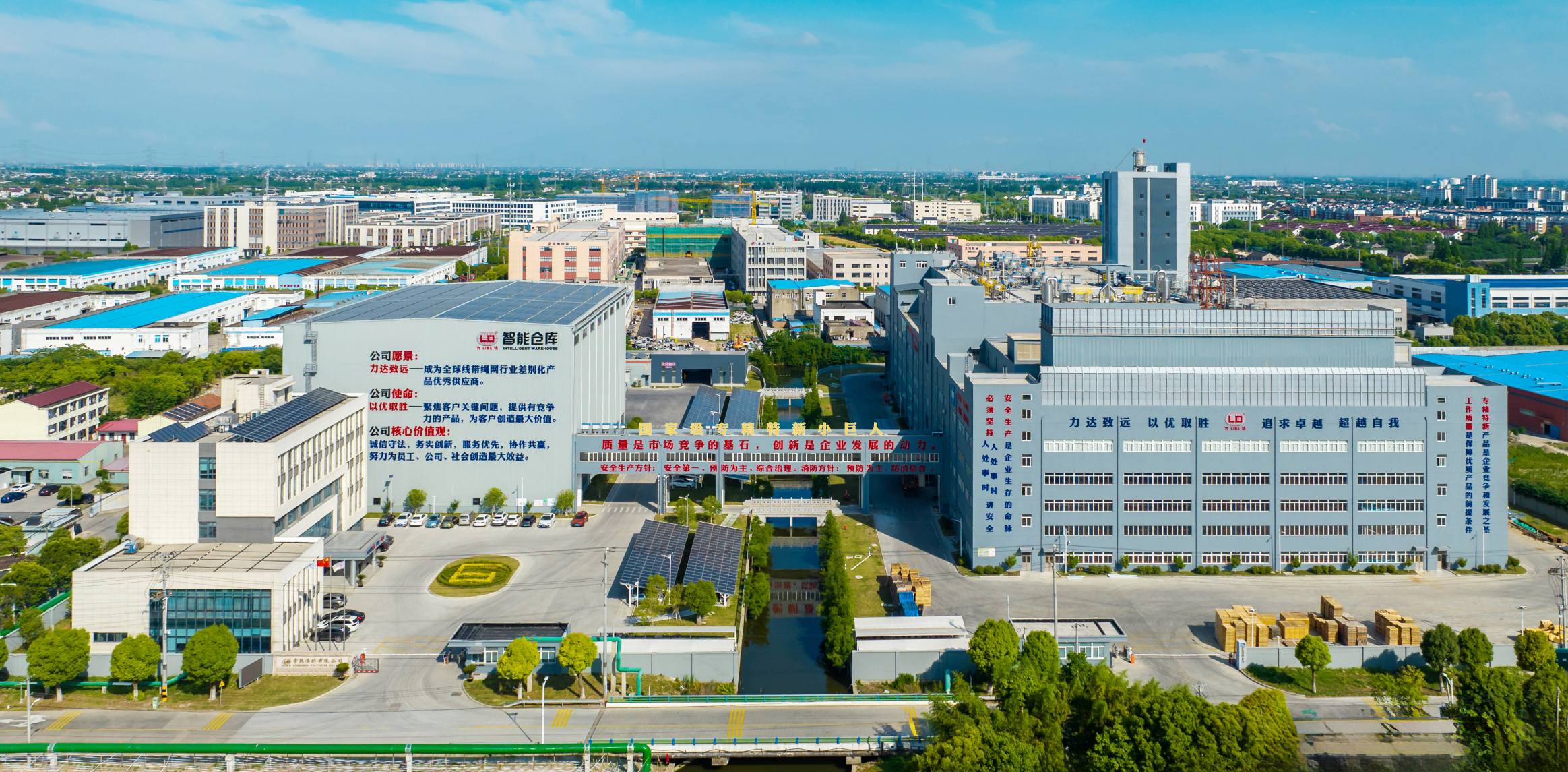
Industrial PE Cool Feeling Yarn: Revolutionizing Thermal Comfort in Textiles
2026-06-30
Imagine a fabric that actively responds to your body heat, delivering an instant, sustained cooling sensation—even in the most demanding industrial environments. This isn’t a concept from the distant future; it’s the reality crafted by Changshu Polyester with their innovative PE cool feeling yarn. As industries push for lighter, smarter, and more comfortable protective wear, this high-tech yarn is redefining thermal comfort, promising a radical shift in how we design and experience textiles. In this post, we’ll explore what makes this yarn a game-changer and why it’s capturing attention across sectors.
Understanding the Cool Feeling Mechanism in Polyethylene Yarns
Polyethylene yarns deliver a persistent cool sensation rooted in their intrinsic thermal properties. Unlike natural fibers that may trap heat, polyethylene possesses a high thermal effusivity, meaning it rapidly draws heat away from the skin upon contact. This immediate heat transfer creates a noticeable cooling effect, making the material feel refreshing even in warm environments. The yarn’s smooth surface and low moisture absorption further enhance this perception, preventing the sticky cling associated with many textiles and maintaining a dry, airy interface with the body.
Beyond simple conductivity, the cool feeling is sustained by how polyethylene interacts with the body’s microclimate. The fibers are engineered to promote air circulation and wick away perspiration, facilitating evaporative cooling. As sweat vapor passes through the fabric, it carries excess heat, amplifying the initial chill. This dynamic process ensures that the cooling sensation isn’t fleeting but persists throughout wear, adapting to activity levels and ambient temperatures without relying on chemical finishes or external activation.
Perception plays a vital role in this mechanism, transforming a physical property into a sensory experience. The lightweight, downlike texture of polyethylene yarns minimizes insulation while maximizing skin contact area, tricking the nerves into registering a continuous cool signal. Researchers have fine-tuned fiber dimensions and surface characteristics to optimize this thermoreceptor response, achieving a delicate balance that feels pleasantly cool without causing discomfort. The result is a fabric that intuitively feels colder than its surroundings, offering a natural, energy-free solution for thermal comfort.
Key Benefits of PE Yarn Over Conventional Cooling Textiles
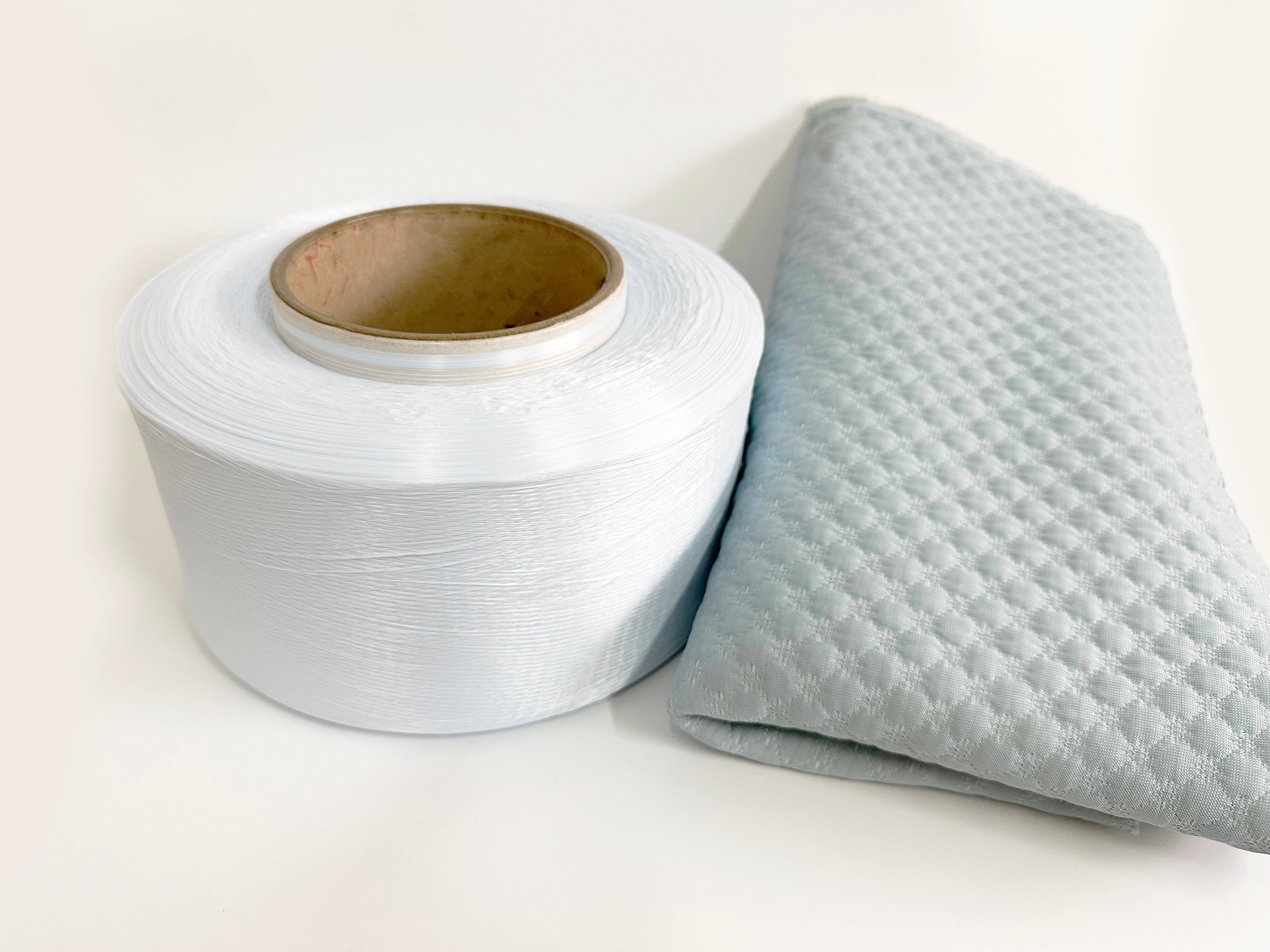
Unlike conventional cooling fabrics that often depend on chemical finishes or moisture-wicking treatments which degrade over time, PE yarn offers an inherent and permanent cooling effect. Its unique molecular structure enables rapid heat dissipation, meaning the fabric doesn't just manage sweat but actively lowers skin temperature by drawing heat away from the body. This built-in performance eliminates the need for reapplication of topical agents and ensures consistent comfort throughout the garment's lifetime.
Another standout advantage is the lightness and breathability that PE yarn brings without sacrificing durability. Traditional cooling textiles tend to feel heavy or clammy once saturated, but polyethylene's naturally low density creates a featherweight feel that remains airy even in high humidity. The fiber also resists abrasion and pilling significantly better than many cotton or viscose alternatives, making it ideal for activewear and outdoor gear that must endure frequent use.
Moreover, PE yarn aligns with sustainability goals in ways conventional materials often cannot. Its production generates a lower carbon footprint compared to water-intensive natural fibers or energy-hungry synthetics, and the material is fully recyclable. Whereas many cooling enhancements come at an environmental cost—relying on microencapsulated chemicals or blending with non-recyclable polymers—PE yarn delivers eco-conscious cooling that doesn't compromise performance or future repurposing of the textile.
Industrial Applications of Cool Feeling Yarns in Everyday Wear
Cool feeling yarns have quietly reshaped the way we experience daily clothing, moving far beyond niche athletic gear into the fabric of ordinary life. These yarns, often engineered with modified cross-sections, moisture-wicking additives, or phase-change materials, actively draw heat away from the skin and accelerate evaporation. In casual wardrobes, they show up in everything from polo shirts to chinos, offering a crisp, refreshing sensation that lasts through a long commute or a packed schedule. Instead of relying on loose weaves that sacrifice opacity, manufacturers embed cooling directly into the fiber structure, so garments remain substantial enough for office-appropriate looks while still beating the heat.
Home and leisure textiles have also embraced the technology in ways that feel effortless. Lightweight blankets woven from cool-touch filaments let sleepers stay comfortable without kicking off the covers, while cushion covers and upholstery fabrics bring the same benefit to furniture. Even innerwear has seen a shift: everyday bras, undershirts, and camisoles now integrate cooling yarns to prevent that sticky midday feeling. Designers tend to pair these fibers with natural cotton or modal, maintaining a handfeel that never veers into the synthetic or slippery. The result is a steady, unobtrusive coolness that works in the background, whether you’re curling up on the couch or running errands.
One of the more interesting turns comes from the blending of cooling yarns with other functional finishes. You'll find jeans that keep you cool while still holding structure, summer blazers that don't wilt by noon, and school uniforms that help kids stay focused during afternoon lessons. The industrial mindset behind these textiles is shifting toward ease of care, too—many of these garments shed pet hair and resist wrinkles, making them dependable choices for people who don't have time for high-maintenance laundry routines. By dissolving the boundary between performance wear and everyday style, cool feeling yarns have carved out a permanent spot in closets around the globe, silently redefining what comfort means in a warming world.
Sustainable Advantages of Polyethylene-Based Cooling Fibers
Polyethylene-based cooling fibers turn the concept of personal thermal management on its head by tapping into a material that is abundant, lightweight, and inherently low-impact. Unlike conventional cooling textiles that rely on energy-intensive manufacturing or complex multilayer coatings, polyethylene can be processed at relatively low temperatures and drawn into fibers with minimal chemical additives. This slashes the carbon footprint right from the production line, while the fiber's natural transparency to infrared radiation allows body heat to escape without extra engineering. It’s a rare case where simplicity drives both performance and sustainability.
Durability is another quiet sustainability win that often gets overlooked. Polyethylene fibers resist moisture, stains, and microbial growth, meaning garments last longer and require less frequent washing—a major source of microplastic pollution and water waste. Even at end of life, the mono-material structure of these fabrics makes mechanical recycling far more feasible than blended textiles, which typically end up in landfills. When you add the energy savings from passive cooling that reduces air-conditioning reliance, the full lifecycle picture becomes compelling: less energy input, fewer resources consumed, and a clearer path to circularity.
What really sets these fibers apart is how they decouple cooling from resource consumption. Traditional cooling often means more electricity, more water, or more chemical treatments. Polyethylene fibers flip that equation by using the body’s own radiative heat loss and a polymer that can be sourced from post-consumer waste. Manufacturers are already exploring closed-loop systems where offcuts and used garments are reprocessed into new fibers without downcycling, preserving material quality. This isn’t just an incremental improvement—it reimagines what a low-carbon, low-waste textile supply chain can look like in a warming world.
Performance Metrics: How PE Yarn Delivers Consistent Thermal Relief
When assessing the thermal relief performance of polyethylene yarn, the metrics that matter most go beyond simple temperature readings. It’s about how consistently the material transfers heat away from its point of contact over extended periods, even under variable loads or environmental shifts. For PE yarn, the combination of low thermal resistance and a high specific heat capacity allows it to act as a reliable buffer, pulling warmth from the skin or a heated surface and dispersing it along the fiber length. Unlike natural fibers that can trap moisture and lose insulative properties, PE’s hydrophobic nature ensures that sweat or humidity doesn’t compromise its cooling efficiency, making it a dependable choice in active or humid conditions.
Field tests reveal that this consistency stems from the yarn’s structural integrity under stress. Even after thousands of flex cycles, the fiber arrangement remains stable, preventing the formation of hot spots that plague less resilient materials. This is critical in applications like medical braces or athletic gear, where localized overheating can cause discomfort or even tissue damage. By maintaining a uniform surface temperature across the fabric, PE yarn delivers a steady, measured cooling effect that users can rely on during prolonged wear.
Beyond the lab, real-world performance metrics track how the yarn holds up against friction and compression—two common culprits behind thermal breakdown. With a low coefficient of friction and high tensile strength, PE yarn resists the micro-fraying that creates insulating air pockets in other fibers. Instead, it stays sleek and close to the skin, steadily pulling heat outward. This translates into a measurable drop in perceived temperature over time, even when the ambient environment remains warm. For manufacturers aiming to differentiate their products, these subtle but constant thermal benefits offer a meaningful edge that end users can actually feel.
The Future of Apparel: Integrating Cool Feeling PE Yarn into Smart Textiles
The apparel industry stands on the cusp of a quiet revolution, where comfort and technology intertwine in ways once limited to science fiction. Cool feeling PE yarn is leading this charge, offering a persistent cooling sensation that goes beyond mere moisture wicking. By embedding phase-change or thermally conductive particles directly into the fiber, these yarns actively regulate skin temperature, making them ideal for everything from daily athleisure to performance gear worn in extreme heat.
As smart textiles evolve, integrating cool feeling PE yarn means more than just a garment that feels chill to the touch. These yarns can be woven with conductive threads to form a fabric that not only cools but also monitors vital signs or adjusts breathability based on activity level. Imagine a running shirt that subtly lowers your skin temperature while tracking your heart rate—no bulky sensors, just an ordinary-looking tee with extraordinary capabilities hidden in its weave.
The shift toward such materials also reflects a growing demand for clothing that adapts to the wearer, rather than forcing the wearer to adapt. Unlike chemical finishes that wash out, the cooling effect in these PE yarns is built into the polymer matrix, promising durability through countless cycles. This enduring performance paves the way for apparel that remains functional and fresh longer, subtly reshaping our relationship with what we put on every morning.
FAQ
It's a specialized polyethylene yarn engineered with a permanent cooling effect. The yarn incorporates thermally conductive additives and a unique cross-section that efficiently wicks moisture and dissipates heat, creating an immediate cool sensation when in contact with skin—unlike traditional cooling fabrics that rely solely on moisture evaporation.
Unlike polyester or nylon which often depend on chemical finishes that wash out, PE cool feeling yarn offers inherent, permanent cooling performance. Polyethylene's natural lower thermal conductivity combined with advanced fiber engineering provides a continuous cool touch without any topical treatments, maintaining functionality throughout the product's lifespan.
It's ideal for sportswear, workwear in hot environments, medical scrubs, bedding, automotive interiors, and even military gear. Any application where prolonged thermal comfort is critical can benefit—the yarn seamlessly integrates into fabrics for shirts, trousers, socks, bed linens, and specialized uniforms without compromising textile hand feel or durability.
Absolutely. Since the cooling technology is built into the polymer matrix rather than applied as a surface coating, it resists degradation from industrial washing, high temperatures, and harsh chemicals. This makes it exceptionally suitable for sectors like hospitality and healthcare where linens undergo frequent, rigorous cleaning cycles.
In humid conditions, traditional evaporative cooling loses efficiency, but PE cool feeling yarn maintains performance through direct thermal conduction. In dry climates, its moisture management synergizes with evaporative cooling for an amplified effect. The yarn effectively adapts, offering consistent relief regardless of ambient humidity by prioritizing heat transfer over sweat-dependent mechanisms.
Modern manufacturing utilizes solvent-free, energy-efficient processes, and the base polyethylene can be sourced from recyclable materials. While not biodegradable in its synthetic form, the yarn's durability leads to longer product lifecycles, reducing textile waste. Some variants also incorporate post-consumer recycled PE, aligning with circular economy principles without sacrificing performance.
Performance is validated through Q-max (thermal effusivity) and FTIR spectral analysis to measure instantaneous cooling capacity. Standardized methods like ASTM D7984-16 assess the cooling sensation coefficient, ensuring the yarn delivers consistent and quantifiable cooling effects that can be verified against industry benchmarks.
Conclusion
Industrial PE cool feeling yarn is reshaping how we think about thermal comfort in textiles by leveraging the intrinsic properties of polyethylene. Unlike traditional cooling fabrics that rely on chemical finishes or moisture-wicking alone, PE yarn works through a combination of high thermal conductivity and a unique surface structure that rapidly dissipates heat away from the skin. This mechanism ensures an immediate and lasting cooling sensation upon contact, which remains effective even after repeated wear and washing. The lightweight nature of PE fibers, combined with their exceptional strength and durability, offers a clear advantage over conventional cooling materials, reducing fabric weight without compromising performance. Moreover, the smooth, hydrophobic surface of the yarn resists odor and bacteria, making it ideal for activewear and everyday garments that demand freshness and comfort in warm conditions.
Beyond wearability, the sustainability profile of polyethylene-based cooling fibers adds a forward-thinking edge. PE yarn is fully recyclable and can be produced with a lower carbon footprint compared to many synthetic alternatives, aligning with circular economy goals in the apparel industry. Its adaptability extends into smart textiles, where the cool feeling yarn can be integrated with sensors and conductive threads to create garments that not only regulate temperature but also monitor physiological signals. From industrial workwear to athleisure, the consistent thermal relief provided by PE yarn—quantified by metrics like Q-max and thermal effusivity—sets a new standard for comfort engineering. As the demand for multifunctional, eco-conscious clothing grows, this innovation stands poised to become a staple in the future of apparel design.
Contact Us
Contact Person: CONNIE
Email: [email protected]
Tel/WhatsApp: 86-0512-53671634
Website: https://www.lida-yarn.com/