
Natural Preservative Factory Processes That Keep Food Fresh Without Synthetic Additives
2026-11-21
Keeping food fresh without synthetic additives sounds like a compromise—until you step inside a natural preservative factory. There, controlled fermentation, precise extraction, and clean formulation do the heavy lifting, protecting both shelf life and the short ingredient lists modern shoppers expect. At ZIPIN, those factory processes are engineered for real-world production, helping brands preserve quality without leaning on lab-made additives.
Rosemary Extract Running Through the Production Line Instead of Synthetic Antioxidants
Replacing the synthetic antioxidant station took less than a full shift once the premix line was fitted with a dosing pump for rosemary extract. Operators now set the stroke length against the oil weight rather than tearing open multi-wall bags of BHA or BHT, and the extract disperses into the oil phase before emulsification without the clumping that used to slow down the morning changeover.
The biggest adjustment was not the pump but the label review. Because the extract is declared as a natural rosemary preparation, the clean-label team removed the parenthetical antioxidant codes from the back panel and the quality lab shifted its retention samples to track carnosic acid content instead of synthetic residue limits. On the floor, the sieving step became shorter and the dust extraction hood above the blending tank stayed idle.
Oxidation stability tests on the first full production run showed shelf-life parity in fried snacks and plant-based spreads, though the sensory panel noted a faint herbal note at the top of the profile. The product developers offset that with a slightly brighter citrus top note and kept the same batch throughput. Since then, the line has run rosemary extract on every SKU that previously used synthetic antioxidants, and the maintenance log shows fewer filter changes on the oil feed.
Fermentation Vats Turning Salt and Cabbage Into a Natural Shelf-Life Shield
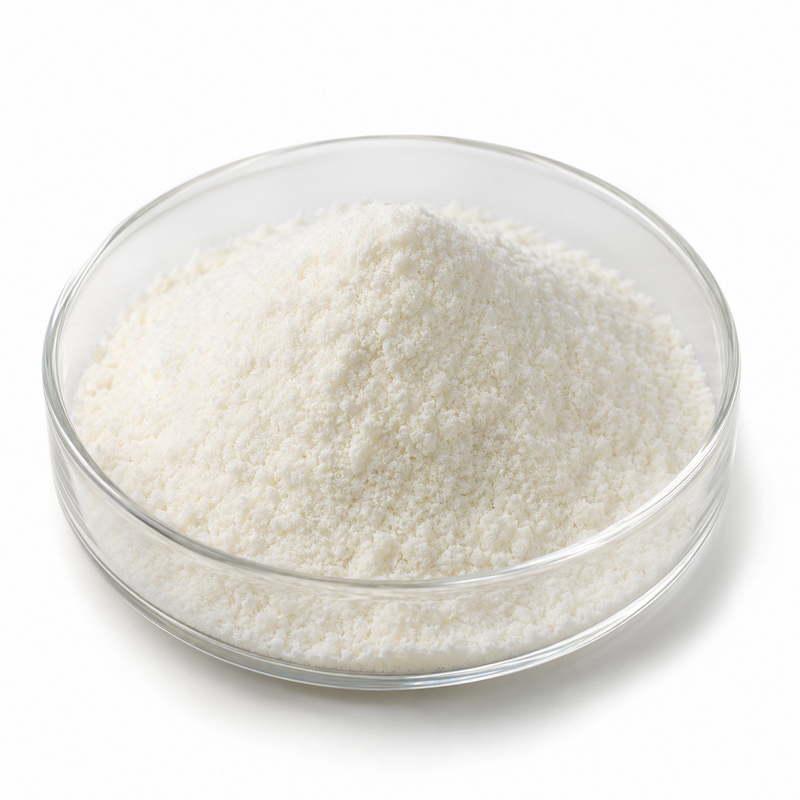
The salt works its way through the sliced leaves, pulling moisture out until the cabbage sits under its own brine inside the vat. That salty, oxygen-poor liquid quickly becomes inhospitable to most spoilage organisms, yet it still welcomes the lactic acid bacteria that arrive on the leaves from the field.
Over the following days, those bacteria feed on natural sugars and release lactic acid, dropping the pH low enough to lock out molds and yeasts. The vat does the rest: trapped carbon dioxide settles above the brine, pushing away oxygen and creating a sealed, acidic environment. After a few weeks, the result is tangy, crisp cabbage that can keep for months without refrigeration, protected not by additives but by the ferment itself.
Applying Pressure, Not Additives, to Keep Berry Smoothies Bright and Fresh
Most berry smoothies start losing their punchy color within hours, especially when strawberries and raspberries meet light and oxygen. Instead of reaching for stabilizers or synthetic dyes, some producers now run the blended fruit through ultra-high pressure. The process keeps the bright reds and blues intact without changing what is on the label.
The method relies on cold water and intense pressure, often around 87,000 pounds per square inch, to inactivate spoilage microbes. Because there is no heat involved, delicate pigments like anthocyanins stay put, and the smoothie keeps a fresher, just-crushed berry character. It is a physical fix rather than a chemical one.
The difference shows up in both appearance and taste. Pressurized batches tend to hold their color longer on the shelf and taste closer to the fruit itself, without the slightly cooked note that heat pasteurization can leave behind. For shoppers, that means a brighter pour and a shorter, more recognizable ingredient list.
Protective Cultures Crowding Out Molds Before They Reach the Package
Molds rarely need much to take hold: a little moisture, a few free nutrients, and enough time before the package is sealed. Protective cultures work by removing those first two advantages. Applied during processing, the bacteria or yeasts spread across the surface and consume the same trace sugars, organic acids, and water that mold spores would use to germinate. By the time the product reaches the packaging line, the surface is already crowded with organisms that are better suited to the conditions and have no interest in giving ground.
This is not a simple chemical barrier. Many protective strains also lower pH or release small proteins and fatty acids that interrupt mold cell walls or signaling. The exact effect depends on the strain and the food matrix, but the practical outcome is similar: spores that do land on the surface find an environment that is already occupied, slightly more acidic, and short on accessible nutrients. Because the cultures are established before sealing, the package does not have to do all the protective work on its own.
The result is a slower, quieter sort of spoilage control. Products keep their texture and flavor a bit longer without requiring a long list of added preservatives. For fermented foods, this approach can feel like an extension of a process that already relies on living cultures rather than a separate hurdle. For other categories, it offers a way to reduce visible mold growth while keeping the ingredient panel straightforward.
Edible Coatings Made from Apple Pomace and Citrus Peel
The skins and pulp left after pressing apples and peeling citrus are not as useless as they look. Both materials carry pectin, cellulose, and oil fractions that can be reworked into a thin edible film. Once washed, dried, and milled, the blend forms a coating that slows water loss and keeps oxygen away from the surface of fresh produce.
What makes the combination interesting is the contrast between the two ingredients. Apple pomace gives the coating body and a fairly neutral finish, while citrus peel contributes natural waxes and small amounts of limonene that add flexibility and a mild antimicrobial edge. By shifting the ratio, the same base mixture can be adjusted for soft-skinned fruit like plums or firmer items such as cucumbers and green peppers.
In practice, the dried powder is usually mixed with water, heated gently, and paired with a small amount of glycerol to prevent cracking as it dries. The finished layer is subtle enough not to alter bite or flavor, but it can add several days of shelf life in cool storage. That also gives juice and cider operations a practical outlet for pomace that would otherwise need to be hauled away.
Cold Rooms and Gas Flushes That Keep Leafy Greens Crisp Without Chemicals
The crisp bite of a fresh salad leaf owes a lot to what happens after harvest. Instead of relying on sanitizing dips or preservative rinses, many growers now use carefully managed cold rooms and modified atmosphere packaging. The core idea is simple: keep the leaves cold enough to slow respiration without freezing the cell walls, and adjust the air around them so they essentially fall asleep on the way to the store.
One common trick is the gas flush. Right before sealing a bag or clamshell, packers replace the normal air with a blend that’s lower in oxygen and slightly higher in carbon dioxide. This slows down browning and wilting because the leaf isn’t burning through its sugars as fast. Paired with a cold room held just above freezing, the gas flush can stretch shelf life by days without a single synthetic additive touching the greens.
What makes this approach feel less like a factory process is the details. Humidity is nudged up just enough to prevent limp edges, fans are positioned so cold air doesn’t blast one corner and frost another, and the oxygen level is tuned differently for baby spinach than for romaine hearts. When done well, the leaf arrives almost as if it were picked that morning — no chemical aftertaste, just crunch.
FAQ
It usually combines several hurdles rather than swapping one chemical for another. A production line may start with steam pasteurization or high-pressure processing to knock down initial microbial loads, then add a plant-based extract like rosemary or cultured dextrose, and finish with modified atmosphere packaging. The goal is to use heat, pressure, oxygen control, and natural antimicrobials together so no single synthetic compound is needed.
They rarely work as a one-to-one replacement. Instead, factories adjust recipes, pH, salt or sugar levels, and storage temperatures to give natural compounds a better environment. For example, a slightly lower pH can make rosemary extract far more effective against mold and yeast. The result often matches synthetic shelf life for products like sauces, dressings, dips, and cured meats, but each formula has to be tested case by case.
Rosemary extract is widely used because it slows oxidation and has antimicrobial properties. Green tea extract, grape seed extract, and citrus extracts also appear often. Fermented ingredients such as cultured celery powder or cultured dextrose provide natural nitrite alternatives in cured meats. Vinegar, lemon juice concentrate, and various spice oleoresins are also part of many clean-label preservation systems.
Yes, and it is more common than people assume. Large tanks with controlled temperature and pH allow manufacturers to grow protective cultures like lactic acid bacteria. These cultures produce organic acids and bacteriocins that suppress spoilage organisms. The fermented base can then be added to products or the product itself can be fermented, which is standard for items like pickles, some sausages, and plant-based dairy alternatives.
They rely on challenge testing and accelerated shelf-life studies. A batch is deliberately inoculated with common spoilage or pathogenic organisms, then stored under controlled conditions to see whether the natural system holds. Microbiological testing is done at multiple points, and every ingredient change triggers a retest. This approach is slower and more product-specific than relying on broad-spectrum synthetics, but it provides solid safety data.
Packaging is often the unsung hurdle. Reduced-oxygen packaging, vacuum sealing, and modified atmosphere packaging with elevated carbon dioxide or nitrogen can slow mold, yeast, and oxidative rancidity. Some lines use active packaging with oxygen scavengers. Without these barriers, many natural preservation systems would struggle to reach the same shelf life, so packaging and processing are designed together.
They can be, mainly because ingredient costs are higher and validation takes more time. A plant extract may cost several times more than a synthetic equivalent, and challenge testing adds laboratory expenses. However, some costs balance out through consumer willingness to pay for clean-label products and through lower regulatory burdens for certain natural ingredients. For many manufacturers, the higher ingredient cost is less important than losing shelf life or flavor consistency.
Conclusion
At the heart of these facilities, rosemary extract is metered straight into oils, dressings, and meat products as a plant-based replacement for synthetic antioxidants. A few rooms over, cabbage and salt sit inside large fermentation vats where naturally occurring bacteria lower the pH enough to keep spoilage organisms from taking hold. The same principle gets applied to dairy and deli items through protective cultures that simply occupy the available space and nutrients before molds can establish themselves. Even fruit-based drinks get their stability from physical force rather than chemical intervention, with berry smoothies held under intense pressure to inactivate microbes while preserving color and flavor.
Elsewhere on the floor, edible coatings are made from apple pomace and citrus peel, then sprayed or dipped onto produce to slow moisture loss and block oxygen. Leafy greens move through cold rooms where temperature and gas flushes are tuned to keep respiration low, so leaves stay crisp without chemical washes or preservative dips. These methods share a common logic. Instead of adding synthetic compounds, the factory adjusts environment, pressure, fermentation, and microbial competition to let food protect itself. The result is a production system that relies on older preservation ideas and modern equipment working together.
Contact Us
Contact Person: TANG JUN
Email: [email protected]
Tel/WhatsApp: +86-523-87608619
Website: https://www.zipinbiotech.com