
Perfume Bottle Solutions to Stop Leaks Clogs and Wasted Fragrance
2026-11-25
Few things ruin a favorite fragrance faster than a leaky bottle, a stubborn clog, or watching pricey perfume disappear before you even use it. These small failures add up, but most of them come down to the same overlooked design details. In this guide, we break down simple, effective ways to stop leaks, prevent sprayer clogs, and keep every drop of fragrance from going to waste. Whether you are refining a new product or fixing an existing one, the right bottle components make all the difference. Imagine Craft Packaging focuses on precisely those details, so your perfume bottles stay as reliable as they are beautiful.
Why a loose cap quietly drains your bottle
Most caps feel snug long before the seal actually bites. If the threads catch just a little off-center or the gasket has a film of dried juice, the lid can sit tight enough to stay put while still leaving a hairline channel. Put that bottle in a backpack and every step works the liquid outward. It never pours, just seeps, so by the time you notice the damp lining the bottle is already a few ounces lighter.
Heat speeds things up more than people expect. A cold bottle taken into a warm room develops pressure inside, and that pressure hunts for any small gap around the rim. The same thing happens if you tighten the cap in an air-conditioned space and then set the bottle in a hot car. The leak is rarely dramatic, just a thin film around the neck or a slow ring of moisture at the bottom of a sleeve.
What often gets overlooked is the seal itself. A silicone ring that has hardened, twisted, or picked up a bit of lint won't recover just because you apply more torque. Sometimes the fix is as simple as wiping the rim and reseating the gasket. Other times the cap threads have worn enough that a replacement is the only way to get a clean, quiet close.
Unclog a stuck nozzle without ruining the spray
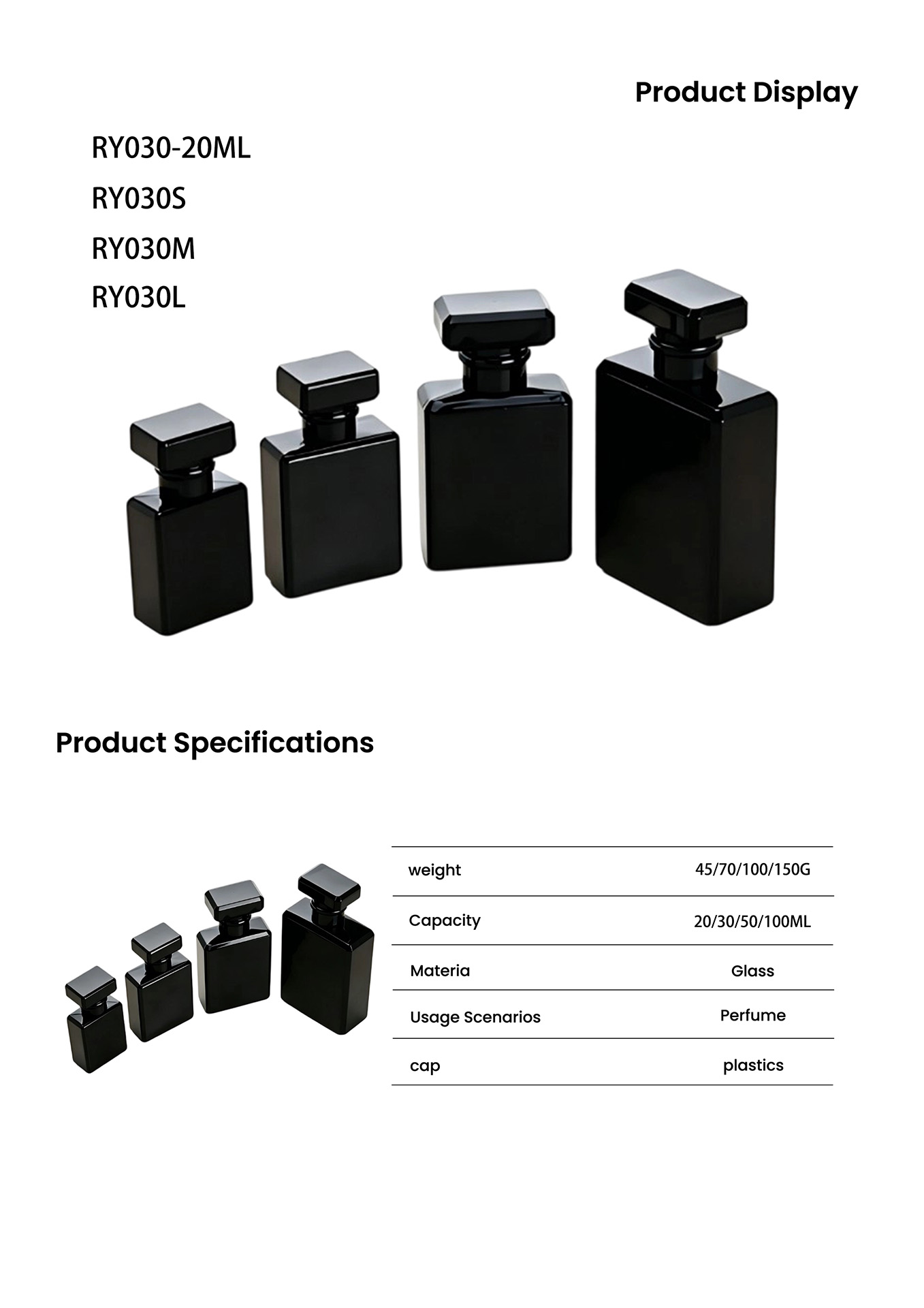
When a spray nozzle refuses to mist and only dribbles, the urge to force a pin straight through the opening can do more harm than good. It may widen the orifice or push dried product deeper into the stem, leaving the spray pattern uneven. Instead, remove the cap and run warm water over the nozzle for about thirty seconds while pressing the sprayer a few times. For many water-based clogs, that is enough to soften the blockage and get the mist back.
If the nozzle is still stuck, set it upside down in a shallow cup of warm water mixed with a splash of white vinegar. Leave it for ten to fifteen minutes so the liquid reaches the internal channel, then pump the sprayer while it is still submerged. The vinegar works on mineral buildup and dried residue without corroding plastic or metal parts. Rinse with plain warm water and test the empty bottle. Any remaining speck near the surface can be lifted away with a wooden toothpick or a soft-bristled toothbrush; the softer point clears the opening without scratching or stretching it.
Tiny seals that stop evaporation cold
At the microscopic level, evaporation often happens through gaps no wider than a few molecules. Tiny elastomer seals close off those escape routes so completely that vapor loss drops to nearly zero, even under repeated thermal cycling. Their trick isn't just tight contact; it's the way the material settles into surface irregularities and holds a barrier that stays stable for months.
Engineers use these miniature seals in lab-on-a-chip devices, compact fuel cells, and precision fluid handling where a small leak can ruin a measurement or drain a reservoir overnight. Because the seals are designed to match the thermal expansion of the surrounding parts, they don't loosen when temperatures swing, which is where larger gaskets usually fail.
The result feels almost too simple: put the right tiny ring in the right groove, and evaporation stops cold. But the real value is in the edge cases—volatile solvents, long storage periods, or equipment that cannot be opened for resealing. There, a few millimeters of carefully chosen material does the work that active cooling or complex vapor traps once had to handle.
Make any travel bottle leak-proof before you pack
Leaks usually start at the cap threads, not from impact. Unscrew the cap, lay a small square of plastic wrap over the opening, then screw the cap back down over the film. That thin layer takes up the space where most bottles seep, and it works better than cranking the lid as tight as it will go.
If the bottle has a flip-top, pump, or spray nozzle, lock it or tape it in the closed position. A short strip of washi tape or painter's tape across the top keeps the mechanism from getting pressed while your bag shifts around. For twist caps, wrap a rubber band around the seam between cap and bottle to add grip and reduce the chance of it backing off.
Give it a quick test before it goes in your bag. Close the bottle, hold it upside down over a sink for about ten seconds, and squeeze the sides gently. If you see moisture forming anywhere, the closure needs another pass. Then pack it inside a zip-top bag with the air pressed out so a small failure stays contained instead of reaching your clothes.
Rescue a bottle that only sputters and drips
If the nozzle sounds more like a cough than a spray, dried product is usually the culprit. Unscrew the pump or cap and run the tip under warm water, working the mechanism a few times before clearing the opening with a toothpick. For stubborn clogs, a fifteen-minute soak in warm vinegar loosens the crust without rough scrubbing.
After rinsing, refill with just enough liquid to test the flow, and avoid tightening the cap down as far as it can go. A slightly loose fit lets air replace the liquid you pump out, which stops the sputter-and-drip rhythm. If the product inside is thick, add a few drops of warm water or the thinnest compatible liquid and shake gently—the goal is a smooth stream, not a hard blast.
Get the last half-inch of fragrance out cleanly
The last half-inch of fragrance usually sits below the intake tube, so tilting the bottle and spraying at an angle rarely gets it. Instead, let the bottle rest upside down for a few hours so the remaining liquid pools around the neck, then either use a fine-tipped pipette to lift it out or transfer it directly into a small travel atomizer with a wide opening.
If the neck is too narrow or the bottle has a crimped top, a blunt-tip syringe works better than a funnel. Slide the tip past the collar, draw the fragrance up slowly to avoid bubbles, and release it into a clean decant. Twisting the bottle slightly while pulling the plunger helps pick up the last few drops that cling to the glass.
For everyday use, keep a tiny glass vial with a screw cap nearby and pour the leftovers into it as soon as the sprayer starts sputtering. You can dab the vial onto pulse points, or use a refillable atomizer that draws from the bottom so the final half-inch never gets wasted.
FAQ
The issue usually isn't the cap at all. Fragrance can creep through the crimp around the sprayer base or a worn dip tube seal. Wipe the neck dry, then wrap a thin strip of plumber's tape around the threading before screwing the sprayer back on. If the metal collar has loosened, press it down firmly with a small flat tool.
Pull the nozzle off and soak it in warm water with a splash of rubbing alcohol for ten minutes. If nothing passes through, use a needle to gently clear the tiny opening from the outside, then flush it again. Avoid poking deep enough to hit the internal spring.
Check if your bottle has a removable spray head. If it does, pop it off and press the travel atomizer's fill base directly onto the exposed valve, pumping slowly. For sealed bottles, use a small funnel and pour against the side to reduce splashing and oxidation.
A weak spray usually means the dip tube isn't sitting in the lowest corner, or a tiny air bubble is stuck in the tube. Tilt the bottle and spray a few times, or tap the base firmly against your palm. If that fails, the valve may be worn and the sprayer needs replacing.
Keep the bottle away from windowsills, radiators, and bathroom humidity. The real culprit is often a poor seal around the sprayer, not the cap. If you're storing a bottle for months, place a small piece of cling film over the opening, then screw the cap or sprayer back over it.
Most neck leaks happen because fragrance runs down the outside after spraying. Dry the neck and use a cotton swab to clean the seam between the glass and sprayer base. If it still seeps, apply a tiny amount of silicone grease around the plastic ring to refresh the seal.
Both can contribute, but thicker oils and vanilla-heavy scents leave more residue inside the nozzle. The sprayer's tiny aperture is also to blame. A quick burst of air from the nozzle after each use—spraying upside down into a tissue—can blow out leftover liquid and keep it from drying into a clog.
Conclusion
A loose cap does more than let a few drops escape; it gives alcohol and top notes an open door to evaporate, so a bottle that sits half-used for months can smell flat or feel thinner than it should. Swapping in a snug cap or replacing the little inner disc can make an immediate difference. Stuck nozzles are another common headache, but forcing them usually bends the spray mechanism. A short soak of the nozzle in warm water, followed by a few test sprays, clears dried perfume without wrecking the mist pattern. Tiny seals around the collar and under the cap often go unnoticed, yet they are what keep air out and fragrance in. If yours are cracked or missing, replacing them stops evaporation cold and keeps the scent stable. When packing, do not rely on the original cap alone. Unscrew the sprayer, seal the bottle opening with a small piece of plastic, then reassemble and place the bottle in a zip bag. That simple routine prevents pressure changes from pushing liquid into your luggage.
A bottle that only sputters and drips is usually telling you the dip tube is loose or the nozzle is half-clogged. Remove the spray head, reseat the tube firmly, and rinse the nozzle before giving up on the fragrance. For the last half-inch at the bottom, tilting and spraying rarely works because the tube cannot reach the corner. Instead, take off the spray top and use a clean glass dropper or a thin pipette to draw out the remaining liquid, then transfer it into a small atomizer or dab it on directly. This gets every usable drop without shaking sediment into the juice. With these small fixes, most bottles that seem empty or broken are simply waiting for a steadier hand.
Contact Us
Contact Person: Sunnie
Email: [email protected]
Tel/WhatsApp: +8615818596517
Website: https://www.imagine-craft.com/