
Pizza Box Factory Guide for Restaurant Owners Choosing the Right Partner
2026-11-16
Most pizza box guides recycle the same tired advice: ask about turnaround times, check the minimum order, compare cardboard thickness. But if you run a restaurant, the real question is quieter and more expensive to get wrong. A box that warps in the steam cabinet, a supplier that ships late on a Friday, a print file that looks sharp on screen but blurry on the shelf, these are the details that quietly shape how customers judge your brand. Zemeijia has spent years working behind that curve, helping restaurant owners move past generic packaging and toward boxes that actually hold up under real kitchen conditions. This guide is built for that shift. It won't just tell you what to ask a factory. It will show you why the right partner changes how your pizza travels, arrives, and gets remembered. If you've ever wondered why two boxes with the same dimensions can feel completely different in a customer's hands, the answer is not magic. It's the factory decisions that happen before you ever place an order.
Why the Thickness of Your Box Says More Than the Price
Run your thumb along the edge of a shipping box before you look at the receipt. A thin, spongy wall tends to flex under pressure, and that small give already tells you how much confidence the sender has in what is inside. Thicker board doesn't just protect against drops; it changes the moment of opening from something disposable into something deliberate. Price stickers can be inflated or discounted, but the physical resistance of the carton is harder to fake.
That thickness also shapes what happens after the product comes out. Flimsy boxes get torn, crushed, and shoved into the recycling bin within seconds. A box with real structure often gets kept for storage, a move, or a gift, carrying the logo into spaces no paid ad would reach. The customer may forget the exact number on the invoice, but they remember whether the package felt like a shell or a statement.
There is a limit, of course. Some brands pile on extra corrugated layers to manufacture a sense of luxury around an ordinary item, and buyers notice the waste. The most honest packaging uses just enough thickness to match the weight and fragility of the product, not to disguise it. In that sense, the box reveals more than the price ever could: not what a company charges, but what it respects.
What a Factory’s Minimum Order Reveals About Their Real Customers
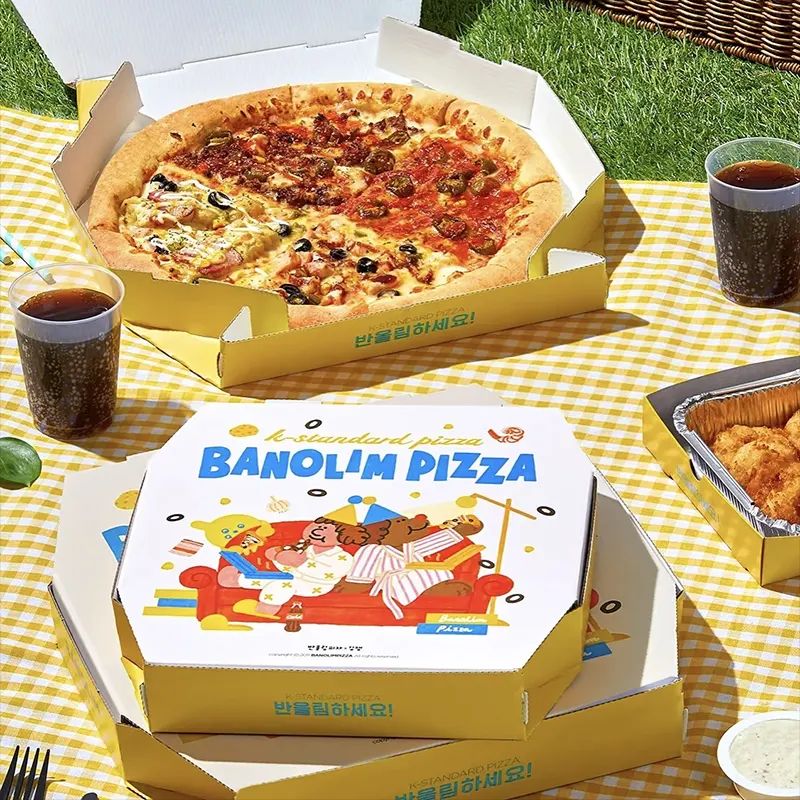
A minimum order quantity rarely exists in a vacuum. When a factory insists on five thousand units per color, they are not just talking about production runs; they are admitting their floor space, staffing, and cash flow are built around buyers who already have warehouse networks and retail accounts. Smaller orders would disrupt that rhythm, so the threshold is a quiet filter. If a supplier will happily ship three hundred pieces with custom labels, chances are their day-to-day customers are boutique owners, online sellers, or brands testing a first drop rather than bulk importers.
Look at how the MOQ is phrased. A factory that offers a low entry quantity but charges sharply higher per-unit prices is signaling that small buyers are tolerated, not prioritized. Their real base is still the large repeat order; the low MOQ is just a side door. Conversely, a manufacturer with a genuinely modest minimum and little price break at volume often depends on many mid-sized clients. The number itself matters less than the behavior around it—setup fees, lead times, and flexibility when you ask for changes all reveal who the factory is actually set up to serve.
The mismatch shows up quickly in communication. Ask for a minor modification on a trial order. If the response is slow or the quote arrives with fixed tooling charges, the factory's true customers are probably established brands that do not ask for hand-holding. If they respond fast, offer suggestions, and adjust specs without friction, their real business likely runs on smaller, repeat clients who need responsive support. Minimum order is the first clue; how they treat a small inquiry tells you the rest.
Vent Holes, Grease Barriers, and the Delivery Test Most Owners Skip
Most people assume a vent hole is just a tiny factory afterthought, but its placement and size dictate how evenly heat escapes during cooking. If you cover it—say, with a misplaced spatula or a pan lid that sits too snugly—steam builds up unevenly and turns crisp edges soggy before the center finishes. A quick check before preheating takes seconds and saves you from serving food that tastes steamed instead of roasted.
Grease barriers, on the other hand, only work when they match the direction of real splatter. A tall back wall means little if your bacon pops sideways or the tray sits slightly off-center. Instead of trusting the label, run a dry test with a few drops of oil on a cold surface: heat it briefly, then look at where the residue lands. That pattern tells you more than any diagram.
The delivery test most owners skip is simply this—after unboxing, run the appliance empty at medium heat for ten minutes with a slice of plain bread placed at four corners and the center. Uneven browning, burnt spots, or pale patches reveal hot zones before your first real meal. No tools, no manual, just bread and a little patience.
Using Custom Printing to Spot a Middleman Before You Commit
Ask for a custom sample that pairs a nonstandard finish with an unusual ink mix. A real manufacturer quotes the tweak without much friction and often sends phone photos from the production floor the same week. A middleman stalls, forwards a generic proof, or suddenly remembers a setup fee because the actual press is two layers away.
Push for a short-run test with your logo placed somewhere difficult, like a full-bleed edge or a heavily textured stock. If the proof arrives with mismatched die lines, vague answers about substrate sourcing, or a return address that doesn't match the company on the invoice, that gap usually points to a reseller. The person running the press can answer specific technical questions; the person brokering the order often cannot.
Before the purchase order goes out, ask for a live walkthrough from the shop floor instead of a polished slide deck. Watch how long it takes to get a straight answer about ink adhesion, lamination tolerances, or overrun policies. If the delay and discomfort show up before you commit, that's your cue to keep looking.
How to Measure Responsiveness Before Placing a Large Order
A practical way to check responsiveness is to send a handful of smaller orders that do not commit much capital. Watch how quickly each order is acknowledged, filled, or rejected, and compare those timings during calm conditions with moments when spreads are widening. A venue that stays fast only when the market is quiet can become a serious liability once your larger order actually needs to get done.
It also helps to vary the size and timing of these test orders across different sessions. Note whether quoted depth holds steady or disappears as your order approaches the book. If the displayed size consistently thins out right before you trade, the apparent speed may be shallow rather than reliable. A few days of observing those patterns usually reveals whether the market can handle size without forcing you to chase the price.
The Fine Print That Decides Whether the Partnership Lasts
Most partnership conversations spend far too long on percentages and far too little on what happens when someone stops pulling their weight. The fine print around voluntary withdrawal, non-compete scope, and buyout valuation usually gets skimmed at the signing table, then becomes the only thing anyone argues about later. A well-built agreement does not pretend conflict won't happen; it names the exact trigger points, sets a valuation method that works in a downturn, and forces a conversation before resentment hardens into a legal fight.
The quieter provisions matter just as much, especially around decision rights and capital calls. One founder may assume that a 51/49 split grants clear control, while the fine print shows which decisions actually need unanimous consent. Capital calls are another slow fuse: if a partner can't fund their share, the dilution formula needs to be automatic rather than negotiated in the heat of a cash crunch. When those mechanics are vague, the partnership runs on goodwill until the first expensive surprise, and then it runs on lawyers.
FAQ
Ask for physical samples before discussing pricing. Board weight, scoring depth, and fold alignment reveal more about consistency than a polished catalog. Also confirm the facility handles food-contact packaging rather than shipping boxes, because the coatings and adhesives are different.
A lot. If the factory pushes one large run, you may end up with a year of boxes sitting in a humid stockroom, losing shape. Better to work with a partner that groups smaller orders or offers low-minimum custom runs, even if the per-box cost is slightly higher.
Usually yes, if the design is simple and the boxes are seen outside the restaurant. A clean logo and phone number on the box can turn a delivery into a local impression. But don't overpay for complex full-color graphics if most orders are pickup and the box goes straight into a bag.
Look for corrugated board with a grease-resistant barrier or a clay-coated finish. Thin single-wall board may save money, but it softens with steam and oil, especially for deep-dish or extra-cheese pizzas. Venting holes also help keep the crust from turning soggy.
Ask for references from restaurants with similar volume, not just brands. Request a pre-production sample and a final production sample to compare. A factory that hesitates on third-party food-safety testing or doesn't document its board sources is a risk, no matter how good the quote looks.
Consistency edges out price. A cheap box that collapses or leaks grease can damage a customer's experience more than the savings justify. That said, price still matters, so compare total landed cost including shipping and storage, not just the unit price on the quote.
Many do now, but performance depends on the barrier coating and board source. Recycled and compostable options can handle normal delivery times if they have a proper grease-resistant layer. Ask the factory for a transit test, or run your own with a fully dressed pizza before switching over.
Find out how they handle reorders, rush orders, and seasonal spikes. Ask whether your pricing stays locked for a set period and whether they can shift warehousing or drop-shipping as you open new locations. A factory that only manages one-size runs may hold you back once volume changes.
Conclusion
A cheap quote rarely tells you much until you hold the cardboard. Pizza box thickness changes how a pie travels, how steam behaves, and whether the corner sags halfway to a customer's door. Factories that push thinner stock usually serve price-driven buyers, while those that ask about your delivery radius and average hold time tend to understand that the box is part of the food experience. The same applies to minimum order quantities. A low minimum often signals a supplier built for small retail runs, not a production partner familiar with high-volume restaurant flow. Before committing, run your own delivery test with vent holes and grease barriers in place, because a box that looks fine on a counter can turn into a soggy, collapsed mess after ten minutes in a hot bag.
Custom printing is another quick filter. If the factory hesitates on file preparation, plate fees, or realistic color expectations, you may be talking to a middleman rather than the actual manufacturer. Responsiveness before a large order matters just as much as the sample they send. Send a question on a Friday afternoon or ask for a revised dieline and watch how long it takes to get a clear answer. Then read the fine print on lead times, overrun and underrun allowances, storage terms, and defect claims. Those clauses, not the friendly sales conversation, determine whether the partnership can handle peak weekends without turning a simple reorder into a blame game. The right partner feels less like a vendor and more like an extension of your kitchen's standards.
Contact Us
Contact Person: Sasha Du
Email: [email protected]
Tel/WhatsApp: +86 13869836645
Website: https://www.zmjpackagings.com/