
Substantial Concrete Admixture Improves Durability and Workability
2026-08-19
Concrete that cracks, spalls, or demands constant repair is every contractor's headache. Yet too often, the real culprit isn't the mix design or the weather—it's the admixture choice. That's where a substantial concrete admixture changes the game. Unlike off-the-shelf additives, a high-performance solution from HAISEN works at the molecular level to boost both durability and workability, so your concrete pours smoother, sets stronger, and lasts decades longer. In this post, we'll break down how the right admixture turns ordinary concrete into a long-term asset—and why skimping on it is a costly mistake.
Why Most Mix Designs Underestimate the Value of a Higher Admixture Dose
Lab trials at standard dosage rarely reveal what happens on a hot day with a 45-minute haul. Higher admixture doses act as a buffer against material variability—aggregate fines, cement chemistry, recycled water—that standard mixes can't absorb. This is where most designs fall short: they optimize for perfect conditions, not the messy reality of placement.
Another blind spot is the narrow view of cost. A slightly higher dose might add a few cents per cubic yard, but it often eliminates the need for retempering water, reduces reject loads, and keeps pump lines moving. Contractors notice the difference when a mix stays cohesive at the end of a long pour instead of stiffening early.
Modern polycarboxylate ethers don't respond linearly. A modest increase beyond the baseline can produce a disproportionate gain in slump retention and finishability because the polymers saturate surface sites more effectively. Testing only the minimum prescribed dose misses that threshold effect entirely.
Workability That Lasts From Batching Through Final Placement
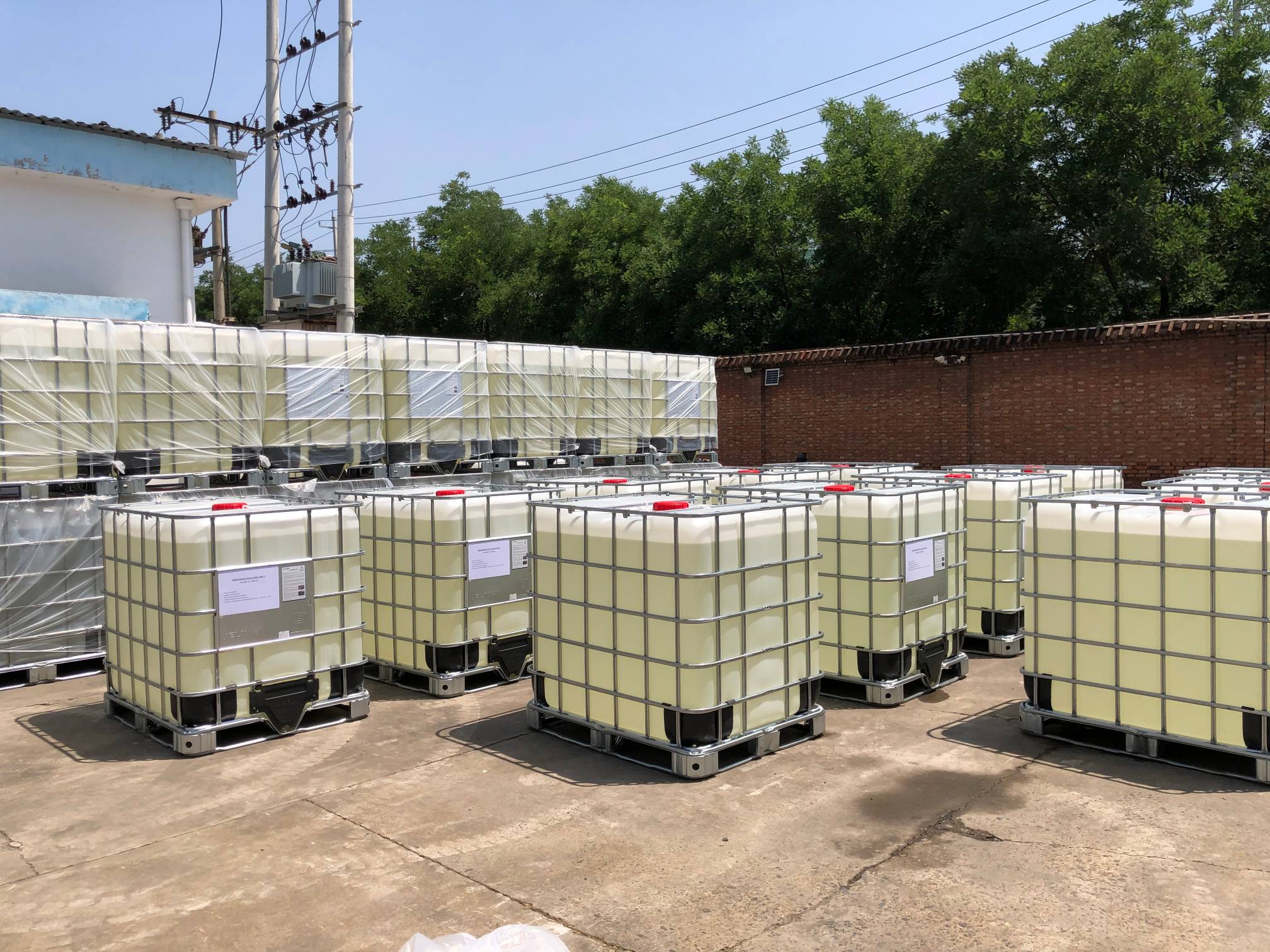
Fresh concrete feels different in the first ten minutes than it does at the hour mark, and most mix designs suffer for it. This formulation keeps the slump right where you need it—not just at the chute, but after the truck has idled in traffic and the pump line has snaked around a corner. It holds its body without turning sticky, so the crew isn't fighting the material while placing a slab or filling a wall form. The result is a pour that moves like you planned it, from first bucket to final trowel pass.
Long hauls and hot weather usually punish workability, forcing finishers to add water on site just to keep things moving. This mix pushes back against that habit. It stays cohesive without getting stiff, giving the finishers a surface that responds to the float and edge when they're ready, not when the concrete decides. That kind of consistency shows up in the finish—fewer cold joints, less patching, and a floor that looks the same at the far end as it did at the start.
Durability Indicators That Improve When Admixture Content Rises
As admixture content moves upward within the recommended range, several durability-related measurements get better. Chloride migration coefficients fall, meaning the concrete resists salt ingress more effectively. Electrical resistivity climbs, which is a useful proxy for lower corrosion risk in reinforced elements. Water absorption rates and capillary suction also decline, pointing to a less connected pore network.
Freeze-thaw resistance shows a similar positive trend. With more admixture, the paste develops finer, more evenly distributed air voids or a denser matrix, depending on the type used. This reduces the internal stress caused by ice formation. Sulfate resistance also improves, because the lowered permeability prevents sulfate ions from reaching the hydrated cement phases. In many cases, the depth of carbonation after years of exposure is reduced as well.
The relationship holds only up to an optimal dosage. Exceeding that point can lead to diminishing returns or fresh concrete problems like excessive air content or delayed setting. So the durability gains are best realized by checking the manufacturer's guidance and adjusting the mix design accordingly.
Choosing the Right Admixture Chemistry for the Job and the Climate
Admixture selection is rarely a one-size-fits-all decision, especially when site temperatures swing from blistering summer heat to near-freezing overnight pours. In hot, dry conditions, a standard polycarboxylate superplasticizer can lose its slump-retaining edge within minutes, leaving crews to fight a stiff mix before placement is complete. That’s why many contractors working in desert or tropical climates switch to retarding, slump-controlled formulations or use a mid-range water reducer with a built-in hydration stabilizer. The goal isn’t just to keep the concrete fluid—it’s to manage the heat of hydration so the slab doesn’t crack before it cures.
Cold weather brings the opposite problem: you need enough early strength to strip forms and resist freeze-thaw cycles without turning to chloride-based accelerators that can corrode embedded steel. Non-chloride accelerators based on calcium nitrite or nitrate, paired with a low water-cement ratio, often work better than simply increasing cement content. In milder but humid climates, air-entraining admixtures become the priority, since repeated wet-dry cycles can destroy non-air-entrained concrete within a few seasons. Choosing the right chemistry means reading the job specification and the weather forecast side by side.
Beyond temperature, the chemical environment of the site matters just as much. Sulfate-rich soils or marine exposures demand not only sulfate-resistant cement but also a compatible water reducer that doesn’t increase permeability or interfere with air void spacing. Some high-range water reducers can cause rapid slump loss when combined with certain types of fly ash, so trial batches under field conditions are essential. Rather than relying on a generic all-purpose admixture, smart concrete producers keep two or three different formulations on hand and adjust dosing based on the actual pour temperature, humidity, and delivery time to the pump.
Common Field Failures That a Substantial Dose Can Prevent
In many production fields, the most persistent problems trace back to underdosing rather than product failure. A full labeled rate creates a concentration high enough to overcome localized variability in soil organic matter, spray coverage, or pest pressure. When rates are cut, the margin for error disappears, and what looks like resistant weeds or tolerant diseases is often just a sublethal exposure that allows survivors to bounce back.
Reduced rates also accelerate the selection of less sensitive individuals within a population. Each time a pest encounters a dose that is too low to be fatal, the hardiest members survive and reproduce. Over successive seasons, this turns a manageable field issue into a recurring expense, as farmers chase escapes with additional passes or more expensive rescue treatments.
A substantial dose, applied at the right timing, suppresses the target long enough to protect yield during critical growth stages. It prevents the kind of patchy control that leads to uneven maturity, harvest delays, and quality dockage. In contrast, skimping on rate may save a little upfront but frequently costs more in lost bushels and re-treatment than the difference ever covered.
Writing Practical Specs for Higher Admixture Levels Without Overengineering
Higher admixture levels often push engineers toward elaborate specification documents, but the real need is a working set of boundaries that keep the mix stable without locking every variable. Start with performance limits that matter on site—slump retention, setting time, compressive strength at key ages—and leave room for supplier adjustments. Keep the spec focused on outcomes rather than prescribing exact dosage rates, because raw material variations can shift optimal percentages faster than a rigid document can keep up.
A practical spec should include a clear testing protocol for trial batches at the upper end of the admixture range, plus a straightforward approval process for minor changes. If a mix performs within the agreed limits, it should not require re-approval just because the admixture percentage moved a tenth of a percent. This cuts down on paperwork without weakening quality control, and it builds trust with the concrete producer.
FAQ
It refers to a meaningful dose of a chemical or mineral additive, usually beyond trace amounts, that changes the fresh or hardened properties of the mix. For example, a high-range water reducer combined with a pozzolanic filler can count as substantial when it shifts both slump retention and long-term strength.
Many modern formulations work on two fronts: they disperse cement particles to free up water for better flow, and they densify the pore structure as the concrete cures. That dual action gives you a mix that is easier to place and less permeable once hardened.
Yes, polycarboxylate-based superplasticizers paired with silica fume or metakaolin are common. Some water-reducing blends also include corrosion inhibitors or air-entraining agents, so a single product can target workability, sulfate resistance, and freeze-thaw endurance at once.
Not if the admixture is chosen well. With a high-range water reducer, you can cut the water-to-cement ratio while keeping a fluid mix. Less water means a tighter microstructure, so early-age ease of placement actually aligns with higher final strength rather than working against it.
You often need to rebalance the aggregate grading and adjust cement content. Since the admixture changes water demand and setting time, trial batches become essential. Small tweaks to sand-to-coarse-aggregate ratio can prevent segregation that sometimes appears with highly fluid mixes.
It shows up clearly in congested reinforcement, self-consolidating concrete for precast elements, and marine structures. In those cases, the mix has to flow through tight spaces yet resist chloride ingress and cracking over decades.
It can. Overdosing certain water reducers may lead to excessive retardation or sticky mixes that are hard to pump. That is why suppliers give maximum dosage limits and why full-scale trials before a big pour matter more than lab data alone.
Conclusion
Many concrete producers still treat high-range water reducers as a last resort, adding just enough to hit a target slump and no more. That habit overlooks how a substantial admixture dose changes the fresh concrete in useful ways. With a properly selected dosage, the mix holds its slump longer, so crews do not need to add water at the job site just to restore lost workability. Water added later quietly raises the water-cement ratio and weakens the hardened concrete. A higher admixture dose from the start avoids that trap and keeps the mix flowing from the batch plant through the pump and into the forms, even on hot or windy days. The result is more consistent placement, fewer cold joints, and less need for re-tempering.
Durability also improves when admixture content rises. Lower water demand means a denser paste, which reduces permeability and slows chloride or sulfate ingress. Concrete made this way tends to show better resistance to freeze-thaw damage and less shrinkage cracking over time. The key is choosing the right chemistry for the job and the climate—polycarboxylate-based products work well in many applications, but a naphthalene-based or lignosulfonate-based option may fit other situations. Common field failures such as honeycombing, surface scaling, and early-age thermal cracking become less frequent when the mix remains workable and consolidated without extra water. Specifications can support this by setting performance-based limits instead of arbitrary maximum admixture dosages. That lets producers use a substantial dose where it matters, without overengineering the mix or driving up cost for simple placements.
Contact Us
Contact Person: Sam Lee
Email: [email protected]
Tel/WhatsApp: 86-311-6617 8338
Website: https://www.horizonadmixtures.com/