
Top Wine Production Line Manufacturer: How to Choose the Best for Your Winery
2026-07-01
Choosing the right wine production line manufacturer can make or break your winery’s efficiency and product quality. With so many options out there, it’s easy to feel overwhelmed—but getting this decision right is critical for scaling your operation while preserving the unique character of your wine. As one of the industry’s most trusted names, INTOP Machinery has helped wineries worldwide streamline their processes with reliable, tailor-made solutions. In this guide, we’ll walk you through the essential factors to consider, drawing on real-world insights to help you select a partner that aligns with your vision and production goals.
Pinpointing Your Winery’s Production Demands
Getting a clear picture of your winery's production demands starts with looking beyond the crush pad. It’s not just about how many tons of grapes you process each vintage—it’s about understanding the rhythm of your cellar, from fermentation schedules to bottling line capacity. Maybe you’re a small lot producer with a dozen different ferments happening at once, or perhaps you’re pumping out bulk wine that needs to move fast. The key is mapping out every step where volume, timing, and labor intersect, so you can spot the bottlenecks before they turn into harvest headaches.
Think about the equipment that often gets overlooked. Your tank layout, pump sizes, and cooling system might be handling today’s throughput just fine, but what happens when a warmer season pushes up sugar levels and you’re suddenly dealing with higher alcohol ferments that stall out? Or when that one press is down for a week right when your Cabernet needs processing? Pinpointing demands means stress-testing your setup against real-world scenarios—not just average yields. It’s about asking, “What’s the worst that could happen?” and then building in enough flexibility so that a curveball doesn’t cost you an entire lot.
Finally, don’t ignore the quieter side of production. How much dry storage do you really need for labels, boxes, and glass? Is your wastewater system sized for a doubling of production if you land a big private-label client? These details rarely make the highlight reel, but they’ll trip you up just as fast as a broken destemmer. By taking a whole-operation view—from the vineyard’s delivery bay to the warehouse door—you can dial in exactly what your winery requires, not just for now, but for the growth you’re planning on.
Decoding Modern Wine Line Technology
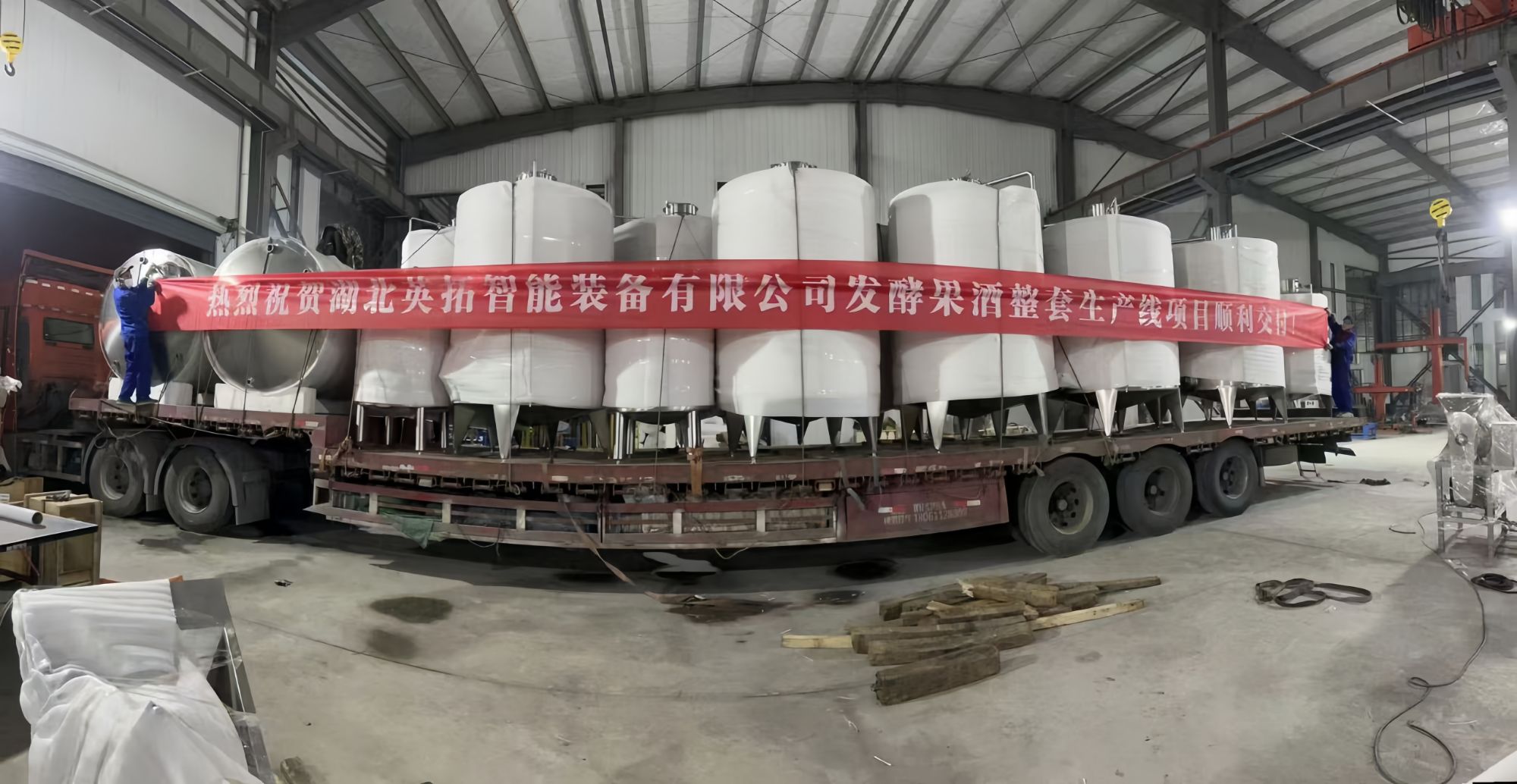
Behind every precisely filled bottle rolling off a modern winery’s line lies a quiet orchestra of sensors and software. It’s not just about speeding things up—these systems are nudging fermentation temperatures by half a degree, tweaking pump pressures based on grape variety, and catching a cork that’s seated a millimeter too high before it ever leaves the floor. The machinery hums with a kind of intuition, but it’s really just data streaming in from dissolved oxygen probes, spectrophotometers, and optical sorters that once belonged in a lab, not a production hall.
What sets apart today’s best setups is how they handle variability. Ripe clusters from a sun-scorched slope don’t behave like cool-climate fruit, and so the destemmer’s cage speed might vary, the press cycle elongates, and the tank jacket responds differently. The line learns. A few vintners I’ve walked with now rely on models that map phenolic ripeness against extraction curves, adjusting cap management on the fly. It’s less about a fixed recipe and more about a living conversation between fruit, vessel, and machine.
And then there’s the invisible layer: traceability embedded in every gasket and gauge. RFID tags on barrels tell you exactly what happened to that block of Merlot from budbreak to bottling. Cross-flow filters and electrodialysis units hum in the background, polishing the wine with minimal intervention. The real trick is making all this technology feel like an extension of the cellar hand’s instinct—so when you finally pull the cork, the only thing you taste is the place and the season, not the circuit board.
Customization: From Concept to Crush Pad
Every great wine begins with a vision, but the path from that initial spark to the crush pad is where true artistry meets precision. We start by listening—really listening—to your ideas, whether you’re dreaming of a bold Cabernet that captures a specific vineyard’s terroir or a delicate blend that tells a personal story. Our team translates your concept into a tangible plan, considering everything from grape sourcing and fermentation techniques to barrel selection and aging timelines. This isn’t a one-size-fits-all process; it’s a collaborative journey where your palate guides every decision.
Once the blueprint is set, the real magic happens on the crush pad. Here, we handle each lot of fruit with obsessive care, sorting, destemming, and pressing in ways that respect the integrity of the grapes. Even small adjustments—like a longer cold soak or a gentler press cycle—can dramatically shift the wine’s character, and we fine-tune these details to align with your vision. From monitoring fermentation temperatures to deciding when to press off the skins, every step is an opportunity to shape the final profile. It’s hands-on, intuitive work that bridges the gap between imagination and what ends up in the bottle.
What sets this experience apart is the depth of involvement you can have. Some clients want to be on-site for every punch-down, while others trust us to channel their ideas from afar. Either way, we keep the communication clear and the process transparent, sharing samples and progress notes along the way. The result is a wine that feels unmistakably yours—crafted not just to meet a standard but to embody the nuance and character you originally sketched out on paper. By the time the fermentation winds down, your custom cuvée is already a reality, ready to age into something exceptional.
The Backbone of Reliable Support and Maintenance
Without a sturdy support framework, even the most elegantly designed systems crumble under real-world pressure. Reliable maintenance isn’t about patching holes as they appear—it’s about weaving a fabric of proactive checks, clear escalation paths, and genuine human availability. When teams know someone is truly listening on the other end, trust becomes the invisible glue that keeps operations running smoothly, long after the initial deployment.
What separates forgettable support from a true backbone is consistency paired with deep knowledge. It’s the difference between reading a script and understanding the machinery inside out. The best maintenance cultures treat every flag, query, or breakdown as a conversation—not a ticket to close. They invest in root-cause thinking, so the same glitch never haunts the same user twice. This isn’t just technical hygiene; it’s respect for the people who depend on the system daily.
Over time, the strongest backbone becomes almost invisible—like a well-built bridge you cross without a second thought. But that quiet confidence is earned through relentless behind-the-scenes effort: monitoring patterns, refining documentation, and building a team that takes ownership rather than assigns blame. In an age of automation, the human element of support remains irreplaceable, because reliability ultimately rests on someone who cares enough to get it right, every single time.
Balancing Budget with Long-Term Value
Every budget has its limits, but fixating too heavily on immediate cost can obscure the bigger picture. A decision made purely to save a few dollars today might lead to far greater expenses down the road. Whether it's choosing cheaper materials that wear out faster or skimping on essential training that would boost team efficiency, short-term savings can quickly become long-term liabilities. Recognizing this tension is the first step toward smarter spending.
Shifting focus from upfront price to total cost of ownership changes how we evaluate opportunities. A premium investment that delivers ongoing value—through durability, lower maintenance, or better outcomes—often pays for itself multiple times over. This mindset encourages us to look beyond the initial outlay and ask what the true cost will be over the expected lifespan. It's not about ignoring the budget; it's about making it work harder by directing funds toward choices that build lasting strength.
Practical balance comes from blending discipline with flexibility. Set clear spending boundaries, but allow room for strategic exceptions that promise meaningful, measurable returns. Regularly revisit past decisions to learn which investments truly delivered and which fell short. Over time, this approach cultivates a culture where financial restraint and forward-thinking coexist, turning the budgeting process into a tool for sustainable growth rather than a barrier to progress.
Vetting a Manufacturer’s Track Record in the Wine Industry
Beyond the glossy brochures and polished websites, every wine manufacturer has a real-world footprint that tells a truer story. Dig into how long they’ve been in the game, but don’t stop at the founding date—seek out the quiet details. Have they weathered economic dips, shifts in consumer taste, or climate challenges? A track record isn’t just years on paper; it’s a timeline of how they respond when things get demanding.
Talk to people who’ve worked with them before—not just the references they hand you with a smile. Distributors, former employees, even neighboring vineyards can offer candid glimpses into their reliability and integrity. How did they handle a late shipment? A quality dispute? These unscripted moments reveal whether their track record is built on solid ground or a carefully curated image.
Finally, look at the consistency in their output. Fluctuations happen with agricultural products, but a manufacturer who truly knows their craft maintains a thread of reliability across vintages. Ask for samples from different years, not just the current stars. A track record worth relying on is one where the quality doesn’t simply peak—it endures.
FAQ
Focus on manufacturers with hands-on experience in your wine type and scale. They should ask detailed questions about your grape varieties, fermentation styles, and bottling requirements instead of pushing a one-size-fits-all setup. A good partner will adapt their line to your process, not force you to change.
Request a list of long-term clients and pay them a visit if possible. Seeing a running line in a winery similar to yours tells you more than any case study. Also, talk to the winemakers and operators directly—they'll give you unfiltered feedback on reliability and support.
A turnkey solution often simplifies integration and after-sales accountability, but it might limit flexibility. If your winery has unique processes, a carefully curated mix of specialized machines could yield better results. Just be prepared to manage multiple relationships and guarantee compatibility.
Dig into response times for on-site repairs, availability of spare parts in your region, and whether remote diagnostics are offered. Ask for a clear escalation path and examples of how they've handled urgent breakdowns during harvest season. Cheap equipment becomes expensive if it stays idle for days.
Automation shines in repetitive, precision tasks like filling, corking, and labeling, reducing human error and labor costs. However, certain stages—like sorting and blending—benefit from human judgment. The key is to automate what you can standardize and leave room for craftsmanship.
Beyond the sticker price, factor in foundation work, utility upgrades, training time, and initial waste during commissioning. Also, check if your existing bottles, closures, and packaging materials work with the new machinery—reformatting can quietly blow your budget.
Choose modular equipment that can be upgraded or reconfigured later. Ask manufacturers about add-on modules for different bottle shapes, larger tanks, or extra filtration steps. A line designed with expansion ports and scalable controls will save you from a full replacement down the road.
Conclusion
Choosing the right wine production line manufacturer starts with a clear-eyed assessment of your winery's unique production demands, from capacity and grape varieties to bottling speeds and space constraints. Modern wine line technology has evolved rapidly, with innovations in gentle pump systems, precision fillers, and integrated automation that reduce oxygen pickup and preserve aromatic integrity. A top-tier partner will not just sell equipment but decode how these advancements align with your specific goals, offering customization that seamlessly moves from concept sketches to the crush pad. This tailored approach ensures that the line adapts to your workflow, not the other way around, enabling future expansion without costly retrofits.
Equally crucial is evaluating the manufacturer's commitment to reliable support and long-term value. A strong track record in the wine industry, backed by responsive maintenance teams and accessible spare parts, can prevent costly downtime during critical harvest windows. Scrutinize their past installations, speak with peer wineries, and gauge their ability to balance upfront budget with lifetime operating costs. A truly best-fit manufacturer becomes a strategic ally, offering ongoing training and upgrades that keep your line efficient as your portfolio grows, ultimately safeguarding your wine's quality and your bottom line.
Contact Us
Contact Person: Laura
Email: [email protected]
Tel/WhatsApp: +86 13957758832
Website: https://www.intopmachinery.com