
Water Chiller Factory: How to Vet Your Supplier for Long-Term Reliability
2026-10-23
When sourcing from a water chiller factory, long-term reliability isn't a given—it's earned through hard vetting. A supplier that looks good on paper can quietly drain your budget with poor efficiency and unplanned downtime. That's why a simple factory tour or spec sheet comparison is never enough. At shairko, we believe the real test happens when you dig into build quality, testing protocols, and after-sales support. So before you commit, here's how to separate a dependable partner from an expensive mistake.
Walk the Production Floor Before You Read the Brochure
Anyone can hand you a glossy brochure filled with polished phrases and perfect product shots. But the real story lives in the hum of motors, the rhythm of assembly, and the way a supervisor reacts when something goes off-spec. Walking the floor first strips away the marketing layer and lets you see whether the operation breathes with discipline or merely performs for visitors. You notice if raw materials pile up in awkward corners, if workers pause to check handwritten notes, or if tools get returned to shadow boards without a second thought. These details never make it into the brochure.
Before you memorize a single spec sheet, spend thirty minutes watching how a changeover happens. A well-run line swaps tooling with almost no conversation, each person knowing their next move. A struggling one leaves people waiting, phones out, or a supervisor barking orders that should have been documented years ago. The floor tells you about maintenance habits, quality culture, and whether the documented process matches reality. Brochures promise capability; the floor demonstrates it—or quietly exposes the gap.
After the walk, the brochure becomes useful in a different way. You can read it as a list of claims to verify rather than facts to accept. That shift in sequence saves you from buying into a story that only exists on paper. It pushes you to ask sharper questions: why does the packing area sit so far from the loading dock? Who wrote the handwritten note taped to the press? If the answers sound defensive or vague, the brochure's polished paragraphs won't matter much anymore.
Interrogate the Compressor Sourcing and Test Bay, Not the Showroom
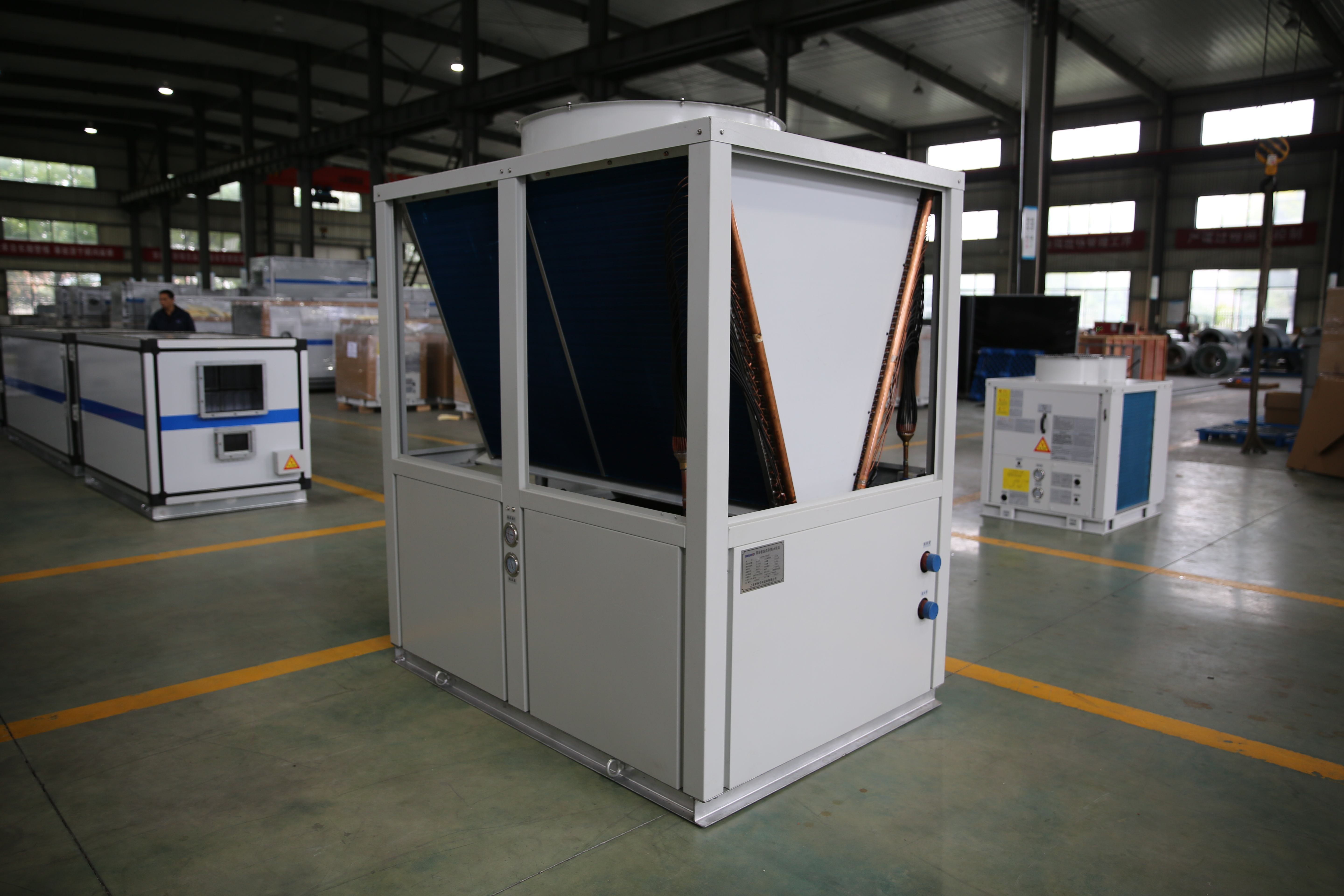
A shiny compressor in a polished showroom tells you almost nothing about how it will behave after three years of hard service. The real story lives in the sourcing files and the test bay, where units are pushed beyond their rated duty cycles and stripped down to inspect bearings, seals, and valve plates. If a supplier hesitates to walk you through that area, treat the hesitation as a warning sign louder than any brochure claim.
Ask to see the incoming inspection reports for critical raw materials—crankshaft forgings, motor windings, heat exchanger tubing. Then watch a live test run: watch for how they handle a failed unit, how they log data, whether the test bench is calibrated and clean. A company that hides its test bay behind a glass wall or a scheduled tour is often protecting a gap between marketing and manufacturing reality.
The showroom is designed to make you feel comfortable; the test bay is designed to expose weaknesses. Spend your time interrogating the latter. There you will find the broken pistons, the failed pressure switches, the rebuilt motors waiting for retest—all the honest evidence of what you might one day be dealing with at 3 a.m. when production stops and the service line rings busy.
Request Load Bank Data with Ambient Conditions Matching Your Site
Most factory load bank reports assume a comfortable test cell, not the temperature swings or altitude of your actual installation. Before accepting any performance figures, ask the vendor to provide data sets corrected for the highest and lowest ambient temperatures your site typically sees, along with elevation and humidity bands. This keeps the numbers relevant instead of optimistic.
Air density changes with altitude and heat, which directly affects how much load a generator can carry and how well its cooling system rejects heat. A unit tested at sea level and 25°C may fall short at 1,500 meters and 40°C. Request the correction curves or step-load logs that show output at your specific atmospheric envelope, not just a standard rating.
Also ask for the measured conditions during each load step - intake air temperature, barometric pressure, and relative humidity - rather than a summary sheet. If the provider cannot match your site's range, ask them to run the test inside your predicted ambient window or supply adjusted data with the formula used. That way you can compare real capacity instead of marketing numbers.
Interview the Service Techs Who Handle Emergency Calls
The people answering emergency calls often aren't the ones turning wrenches. If you want to know why a job took three hours instead of one, sit down with a tech who was on site. They'll tell you about the locked gate that wasn't in the work order, the customer who insisted on watching every move, and the part that was advertised as "universal" but needed two trips to the truck. That kind of detail never shows up in a CRM log.
Ask open-ended questions and let them steer. Instead of "Did everything go okay?" try "What almost went wrong?" or "What did you have to improvise?" You'll hear about creative fixes, near-misses, and the tools they actually rely on—not the ones the sales brochure promised would cut time in half. One tech might mention that the dispatch app crashes every time they enter a certain zip code, and that's worth more than a month of satisfaction surveys.
Record these conversations or take notes, then look for patterns. If three techs independently complain about the same supplier's fittings leaking after six months, that's a product problem, not a training issue. And when you act on what they say, tell them what changed. Otherwise they'll stop sharing and you'll be back to guessing from the invoice line items.
Track Down Their Oldest Running Chillers in a Similar Facility
Nothing reveals a chiller's true character like a couple of decades in service. When you walk into a similar facility—same building type, same load profile, same climate zone—ask to see the mechanical room before you ask for the spec sheet. The oldest unit still running is rarely the most efficient on paper, but it has survived every cooling season, every budget cut, and every maintenance regime thrown at it. That kind of endurance doesn't come from a glossy brochure.
Facility managers love to talk about their workhorses. Offer to buy them a coffee and you'll hear which chillers needed nothing but oil changes for fifteen years, and which ones turned into money pits after three. In older buildings, you might find a centrifugal machine from the 1980s still purring along while its modern replacement sits idle with a failed VFD. The reasons usually come down to simple design, oversized condensers, and a maintenance crew that actually follows the manual.
Take notes on what was fixed, what was ignored, and what finally got replaced. Those patterns matter more than any efficiency rating. A chiller that survives on basic care tells you what your own facility should prioritize: clean tubes, honest logging, and a refusal to overcomplicate what already works. The best maintenance lesson is often standing right there, older than most of the staff, still holding the building at setpoint.
Unpack the Warranty Language Around Refrigerant and After-Hours Work
Many equipment warranties quietly sidestep refrigerant coverage. A compressor might be covered, but the R-410A or R-32 needed after a burnout isn't. If the fine print says 'refrigerant not included' or caps reimbursement at a fixed dollar amount per pound, you're eating the difference. Ask whether virgin refrigerant, recovery, and disposal fall under the same parts allowance.
After-hours labor is another trap. A warranty may promise 'labor allowance' but only at standard weekday rates. A 2 a.m. no-cool call on a Sunday often triggers overtime multipliers that the manufacturer won't touch. Some policies pay a flat rate per hour regardless of when the tech shows up; others refuse any extra charge unless you get prior authorization from a warranty claims desk that isn't staffed at midnight.
Don't assume extended or parts-and-labor plans fix this. Many still list refrigerant as a consumable, like filters or belts, and set a separate after-hours cap that hasn't changed in a decade. Before you sign, have the dealer highlight exactly where refrigerant and overtime appear—or don't—in the coverage matrix.
FAQ
Pay attention to how they handle copper piping and brazing joints. Clean, consistent weld beads usually mean the technicians know what they're doing. Also check whether the assembly area is organized and whether units are pressure-tested before they leave the line.
It matters more than many buyers realize. A factory that openly tells you which compressor they use—and why—is usually more trustworthy than one that hides it behind generic phrases. Ask about the exact model and whether it's sized correctly for the evaporator and condenser, not just the nominal capacity.
At minimum, they should run a full refrigeration circuit leak test, a high-potential electrical safety check, and a load test that simulates real operating conditions. If possible, ask for a video of your actual unit being tested, not a stock clip from their brochure.
Look at how they document changes. Do they keep version histories for control panels and piping layouts? Can they produce spare parts lists with part numbers that don't change every year? A factory with disciplined documentation is much less likely to leave you stranded when a component fails.
Watch out for unusually thin sheet metal, no vibration isolation on the compressor, missing sight glasses or filter dryers, and refrigerant charges that are not weighed precisely. Small omissions like these often point to deeper cost-cutting that will shorten the chiller's life.
References are useful, but ask for ones outside their local market and then actually call them. Ask the reference how long the chiller has been running, what broke first, and how quickly the factory responded. The answer to "what broke first" tells you more than any polished case study.
A simple, well-built controller with standard components is often more reliable than a fancy touchscreen with proprietary firmware. Ask whether the controller can be serviced by a local technician and whether the factory provides wiring diagrams and parameter lists. If they lock you out of the software, think twice.
Request a heat balance calculation based on the actual compressor, evaporator, and condenser combination they are quoting. Compare it with independent software data or a third-party selection report. If the numbers don't match within a few percent, ask why. Genuine engineers will explain the margin; salespeople will change the subject.
Conclusion
Start by walking the production floor unannounced if possible. Look at how components are staged, whether welds are consistent, and if workers seem to follow assembly procedures rather than just pushing units out. Don't get distracted by polished brochures. Ask pointed questions about compressor sourcing—who makes them, what happens if that supply chain shifts—and ask to see the test bay in action, not just a display chiller. Request load bank data that matches your site's ambient conditions: if you're in a hot, humid area, don't accept data from a mild climate. These details tell you whether the factory builds for real operating conditions or just for a catalog photo.
Beyond the factory floor, talk to the service techs who actually handle emergency calls, not the sales engineers. They know which components fail first and whether the factory supports them after hours. Ask the supplier to connect you with facilities running their oldest chillers in a similar environment—then visit or call those operators. Finally, read the warranty language line by line: look for exclusions around refrigerant type, after-hours labor, and what counts as "normal wear." A vague warranty often hides the real cost of ownership. The goal is to find a supplier whose chillers are still running reliably when the brochure has long been recycled.
Contact Us
Contact Person: Crystal
Email: [email protected]
Tel/WhatsApp: 8613524235353
Website: https://www.airkohvac.com