
Waxed Corrugated Boxes Manufacturer: Choosing the Right Partner for Moisture-Resistant Packaging
2026-06-18
When moisture threatens your supply chain, every soggy box tells a story of lost revenue and disappointed customers. That’s a risk you can’t afford. At ShiTeng Packaging, we don’t just wax corrugated boxes—we engineer resilience, turning fragile cardboard into moisture-resistant warriors that protect your goods from humidity, condensation, and unexpected spills. But choosing the right manufacturer is about more than just a coating; it’s about precision, reliability, and a partner who treats your packaging like the last line of defense it truly is. In this guide, we’ll walk you through the factors that separate the best from the rest, so you can ship with confidence—even when the forecast looks damp.
Why Waxed Corrugated Matters in Moisture-Prone Supply Chains
Moisture is the silent killer of packaging integrity in supply chains that move through humid climates or refrigerated environments. Standard corrugated board quickly absorbs water from the air or condensation, leading to weakened stacking strength, collapsed boxes, and damaged goods. Waxed corrugated steps in as a practical solution by infusing the fibers with a wax coating that repels liquid and vapor, maintaining structural rigidity even when humidity levels spike. Unlike plastic alternatives, it retains the renewable and lightweight benefits of paper while gaining the durability needed for wet conditions—a balance that keeps logistics operations running smoothly without sudden failures.
The real advantage shows up in the details: waxed corrugated eliminates the need for secondary protective wraps or desiccants that drive up packing time and material costs. For products like fresh produce, seafood, or pharmaceuticals that rely on strict temperature control, the packaging can sweat just as much as the contents. Wax-treated boxes hold their shape and protect against crushing, reducing spoilage and rejections at delivery points. This reliability translates directly to fewer hidden expenses from damage claims and reshipments, making it a quiet workhorse in cost-sensitive supply chains.
Beyond basic protection, waxed corrugated accommodates the real-world messiness of supply chains—rain-soaked loading docks, freezer-door fog, and unexpected weather shifts. It’s not just about water resistance; it’s about preserving the breathing room that fiber-based packaging offers, allowing air circulation that prevents ethylene buildup in fruits or mold in organic materials. By choosing a substrate that maintains performance without excessive layers, businesses extend shelf life and cut down on waste, all while sidestepping the regulatory headaches that single-use plastics bring. In an era of tightening sustainability mandates, that blend of practicality and responsibility makes waxed corrugated far more than a niche option.
Beyond Surface-Level Protection: Key Material Indicators of True Quality
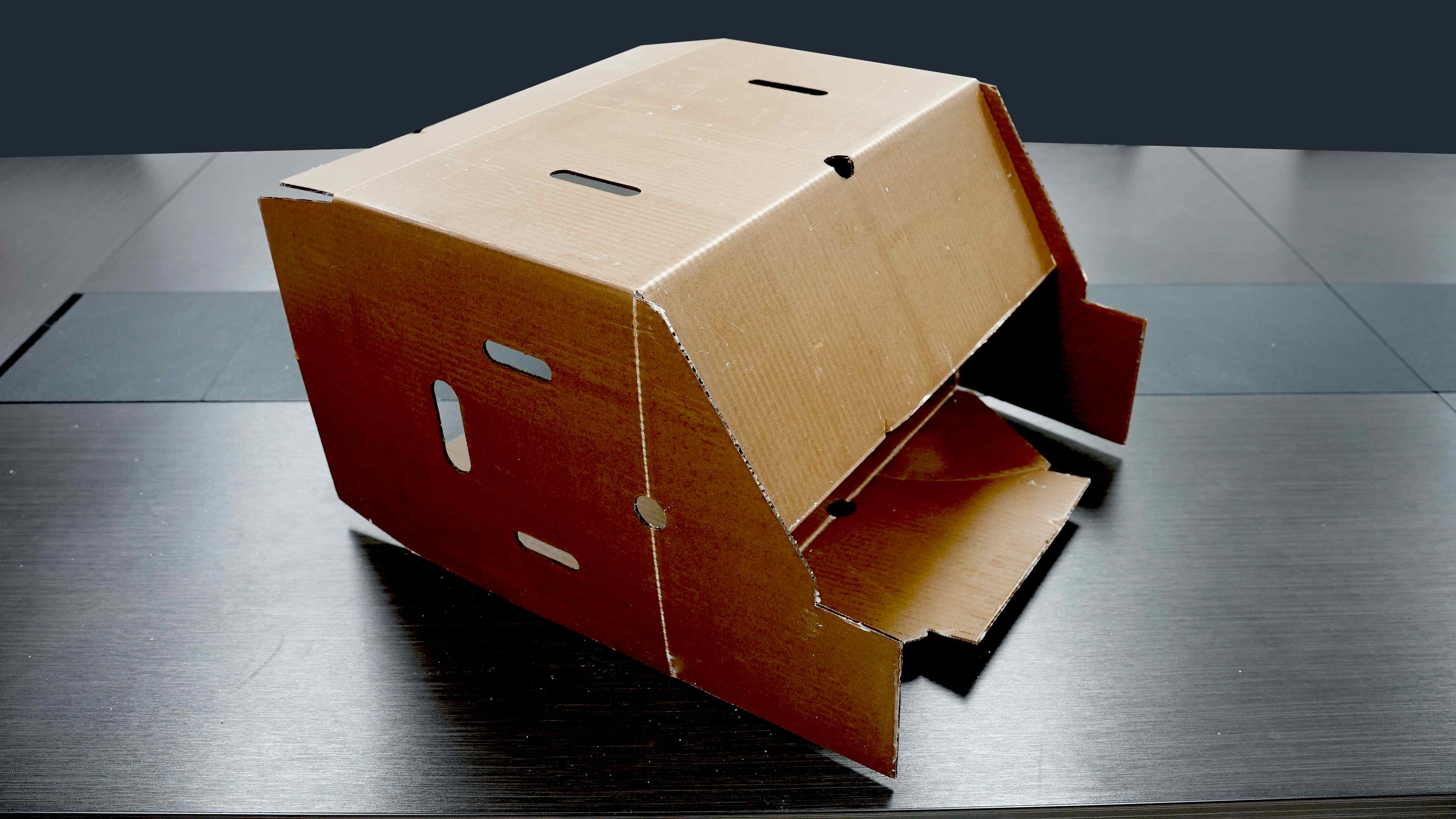
The real story of a material’s caliber is rarely told by its immediate polish or scratch resistance. Beneath that first impression lies a hierarchy of attributes—density, grain structure, thermal stability—that silently dictate how well it will weather real use. A polyurethane coating may feel supple at first touch, but if its molecular cross-linking is sparse, it will begin to craze and delaminate long before the piece loses its aesthetic value. The indicators that matter are those that speak to resilience over time, not just showroom sheen.
Consider the often-overlooked role of elongation at break. This single metric reveals how much strain a fabric or leather can absorb before failing—a far more honest gauge of durability than tensile strength alone. A top-grain leather with a tightly packed fiber network will stretch gradually under load and recover its shape, whereas a cheaper split leather with a painted-on grain pattern will tear abruptly. Similarly, in performance textiles, the denier count only matters if the yarns are woven with enough weave density to prevent creep. These are the quiet signatures of makers who prioritize engineering over flashy marketing.
Moisture vapor transmission and UV degradation rates form another critical layer of evaluation. A boot lining that feels breathable on day one might trap sweat after a month if its membrane lacks sufficient pore uniformity. Outdoor gear that fades unevenly after a single season didn’t just fail aesthetically—its pigments weren’t dispersed properly in the polymer matrix, hinting at shortcuts in compounding. True quality is about confronting these invisible mechanisms, refusing to let a smooth surface hide a hollow core.
Customization Traps That Undermine Long-Term Performance
It’s tempting to tweak every setting, indicator, and entry rule to perfectly fit past data. The allure of a flawless backtest often obscures a harsh reality: over-optimization breeds fragility. When a strategy is sculpted to historical noise rather than genuine market structure, it crumbles in live conditions—reacting to patterns that never repeat. The more degrees of freedom you introduce, the greater the illusion of edge, and the sharper the disappointment when forward testing reveals random results.
Customization also carries a psychological cost. Constantly adjusting parameters based on recent performance can lead to a dangerous feedback loop. You chase the latest market regime, only to find it shifts again, leaving your over-fitted model obsolete. This cycle not only erodes capital but confidence, as you mistake normal drawdowns for strategy failure and abandon sound logic in favor of quick fixes.
Ironically, the most robust approaches often feel uncomfortable because they accept a degree of imprecision. They rely on broad, durable principles rather than delicate custom calibrations. By resisting the urge to tailor every detail to yesterday’s tape, you build systems that can weather tomorrow’s unknowns—prioritizing resilience over a fleeting perfect fit.
Manufacturing Processes That Separate Reliable Output from Guesswork
In many production environments, the line between consistent quality and unpredictable results comes down to how processes are defined and controlled. Guesswork often masquerades as experience when operators lean on intuition or gut feel to adjust machines or approve parts. Reliable output, on the other hand, is the product of intentionally designed manufacturing steps—every parameter is identified, measured, and held within a proven window. This shift from art to engineering doesn’t happen by chance; it requires dissecting each stage until variation’s root causes are exposed and neutralized.
One of the clearest separators is the use of in-process verification rather than end-of-line inspection. When feedback loops are built directly into machining or assembly, deviations are caught the moment they appear, not after a full batch has been run. Tools like statistical process control and automated probing give teams the data to distinguish normal fluctuation from a genuine drift. This proactive approach transforms manufacturing from a reactive scramble into a predictable system where decisions are driven by evidence, not hunches.
Ultimately, reliable output creates a compounding effect—less scrap, fewer reworks, and shorter cycle times become the baseline, not the exception. A factory floor that runs on guesswork might occasionally hit a target, but it can’t replicate that success under different conditions or over the long haul. When every process is transparent and every outcome traceable, reliability becomes a repeatable asset instead of a fleeting accident.
Signs Your Packaging Partner Understands Your Industry’s Unspoken Demands
A packaging partner who truly grasps the subtleties of your field doesn’t just follow a spec sheet—they anticipate the challenges you haven’t yet articulated. They know, for instance, that pharmaceutical packaging isn’t merely about tamper evidence; it’s about ensuring elderly patients can open a bottle without frustration, or that a box design doesn’t inadvertently trigger anxiety through complex opening mechanisms. This level of insight comes from immersion in your sector, not a generic questionnaire.
Another telltale sign is how they handle the tension between efficiency and nuance. In food packaging, they recognize that the crinkle of a wrapper can signal freshness, or that the weight of a paperboard box influences the perception of indulgence. They don’t push cost-cutting on materials that would mute a product’s sensory signature. Instead, they bring forward solutions that maintain the unspoken tactile or auditory cues your customers associate with quality, even if those details weren’t in the brief.
Finally, a partner who understands your industry’s silent rules will navigate compliance without strangling creativity. They’ll flag risks—like a dye migration issue in cosmetics that only a formulator would anticipate—before they become costly recalls. Their questions reveal a deep familiarity with your market’s quirks, such as why a display box’s angle matters more in a cramped boutique than in a big-box aisle. It’s this unforced expertise that turns packaging from a commodity into a competitive edge.
Future-Proofing Your Packaging Without Over-Engineering the Present
Packaging that’s built to last often carries the hidden cost of being overbuilt for today. The trick is to design with just enough flexibility to handle what might come next, without piling on features you don’t need yet. Think of it as leaving room to grow rather than installing extra floors in a building that hasn’t seen its first tenant.
One practical approach is to pick structural elements that can be easily adapted later—modular inserts, adjustable dividers, or materials that accept new labels without a full redesign. For instance, choosing a mono-material structure simplifies recycling now and makes future material swaps far less painful. If you can shift a carton size or swap a liner without retooling the entire line, you’ve already bought yourself years of adaptability.
It also helps to test your assumptions in small batches before committing to a full-scale “future-proof” overhaul. Run a limited pilot with a subset of your range, then watch how customers and logistics actually behave. Often, the most useful upgrades come not from grand plans but from minor tweaks that make the packaging easier to reuse, flatten, or return—actions that quietly extend its life without anyone noticing the engineering behind it.
FAQ
Focus on their track record with moisture-resistant packaging, whether they use consistent wax application methods, and if they can tailor the boxes to your exact size and print needs. A reliable partner will also provide honest lead times and clear communication throughout the process.
Standard corrugated tends to soften and collapse when exposed to moisture, while waxed versions repel water and keep their strength much longer. The wax coating creates a barrier that lets them stay rigid even in high-humidity or wet environments like cold storage or rainy transport.
If the coating isn't even, you'll end up with patches where moisture can sneak in and compromise the box's integrity. Consistency in the wax layer means the entire container keeps its protective qualities, preventing unexpected failures during handling and shipping.
It’s essential to ask for food-grade wax formulations if there’s direct contact. Many manufacturers offer boxes with coatings that meet FDA or similar regulatory standards, so you get both moisture protection and food safety without extra liners or barriers.
You’ll find them heavily used in agriculture for transporting fruits and vegetables, in seafood for iced fish shipments, and in poultry and meat processing. Also, any business dealing with frozen or chilled goods benefits from the extra resistance to melt water and condensation.
Request a small batch of sample boxes and subject them to real-world conditions—like misting them with water or leaving them in a cooler overnight. Also, check if they have quality certifications and ask existing clients about their delivery performance and response to issues.
One common oversight is neglecting recyclability or disposal methods—some wax coatings can interfere with standard paper recycling streams. Also, not matching the wax formula to your specific humidity or temperature range can lead to wasted expense or inadequate protection.
Absolutely. Thicker, higher-grade board adds structural backbone that complements the wax coating. It resists compression better when wet, so for heavier loads or longer storage in moist conditions, you’ll want a sturdy flute and wall combination paired with thorough wax treatment.
Conclusion
In supply chains where humidity or direct water exposure is routine, standard corrugated boxes quickly lose integrity. Waxed corrugated provides a critical moisture barrier, but the level of protection depends on more than a surface coating. Smart buyers look beyond superficial treatments, focusing on the base paper’s fiber composition, the wax blend’s penetration depth, and the box’s structural design under wet conditions. Without these checks, packaging can fail unexpectedly. Customization requests—like extra die-cuts, thinner walls, or aggressive branding—often compromise long-term performance when they conflict with the material’s waterproofing needs. A manufacturer that challenges unwise customizations while still delivering on practical requirements is one to trust.
True quality emerges from precise manufacturing processes, not guesswork. Consistent wax application, controlled curing, and rigorous end-of-line testing distinguish reliable boxes from those that might buckle under rain or condensation. Look for a partner whose facility invests in quality-control checkpoints, not just speed. Beyond the production floor, the best suppliers demonstrate deep familiarity with your sector’s hidden pressures—whether it’s handling cold-chain sweat for seafood or mitigating stacking creep in tropical warehouses. They anticipate problems before you describe them. Finally, aim to strike a balance: build packaging that meets foreseeable challenges without over-engineering every variable, keeping costs sane while staying adaptable to future shifts in regulations, market demands, or climate patterns. This pragmatic mindset ensures your moisture-resistant packaging remains effective without becoming an expensive liability.
Contact Us
Contact Person: Mr. Ge Man
Email: [email protected]
Tel/WhatsApp: 8613710506492
Website: https://www.shitengzx.com