
White Masterbatch Recommendations for Superior Plastic Coloring
2026-07-17
Achieving vibrant, consistent color in plastics is both an art and a science—one that hinges on choosing the right white masterbatch. A high-quality white masterbatch does more than just add opacity; it enhances dispersion, boosts mechanical properties, and ensures flawless end products. At Xinwancai, we understand that every polymer matrix has unique demands, and our tailored recommendations help you strike the perfect balance between brilliance and performance. Whether you're battling uneven coverage or seeking the ideal TiO₂ loading, this guide unpacks the key factors that drive superior coloring results, setting the stage for manufacturing excellence.
Why White Masterbatch Matters More Than You Think in Plastic Coloring
When you think of coloring plastics, vivid hues and custom shades probably come to mind first. Yet, white masterbatch quietly does the heavy lifting in countless applications. It’s not just a pigment—it’s a workhorse that defines opacity, influences thermal stability, and even dictates how other colors perform. Without a high-quality white base, many products would look dull, feel flimsy, or degrade faster under UV light.
The real magic lies in its ability to scatter light. Titanium dioxide, the primary component, provides exceptional hiding power, meaning you need less material to achieve a solid, consistent white. This isn’t simply cosmetic; it directly affects the mechanical properties and processability of the final item. A poorly dispersed white masterbatch can create weak spots, while a premium one enhances durability and reduces waste during molding or extrusion.
Beyond basics, white masterbatch plays a strategic role in cost control and sustainability. By boosting opacity, it allows for thinner walls in packaging without sacrificing shelf appeal. It also enables brilliant color effects when combined with dyes or other masterbatches—think crisp whites that make printed designs pop. Overlooking its selection means risking inconsistent production, higher rejection rates, and a final product that fails to impress in a competitive market.
Key Formulation Secrets for Achieving Brilliant White Hues
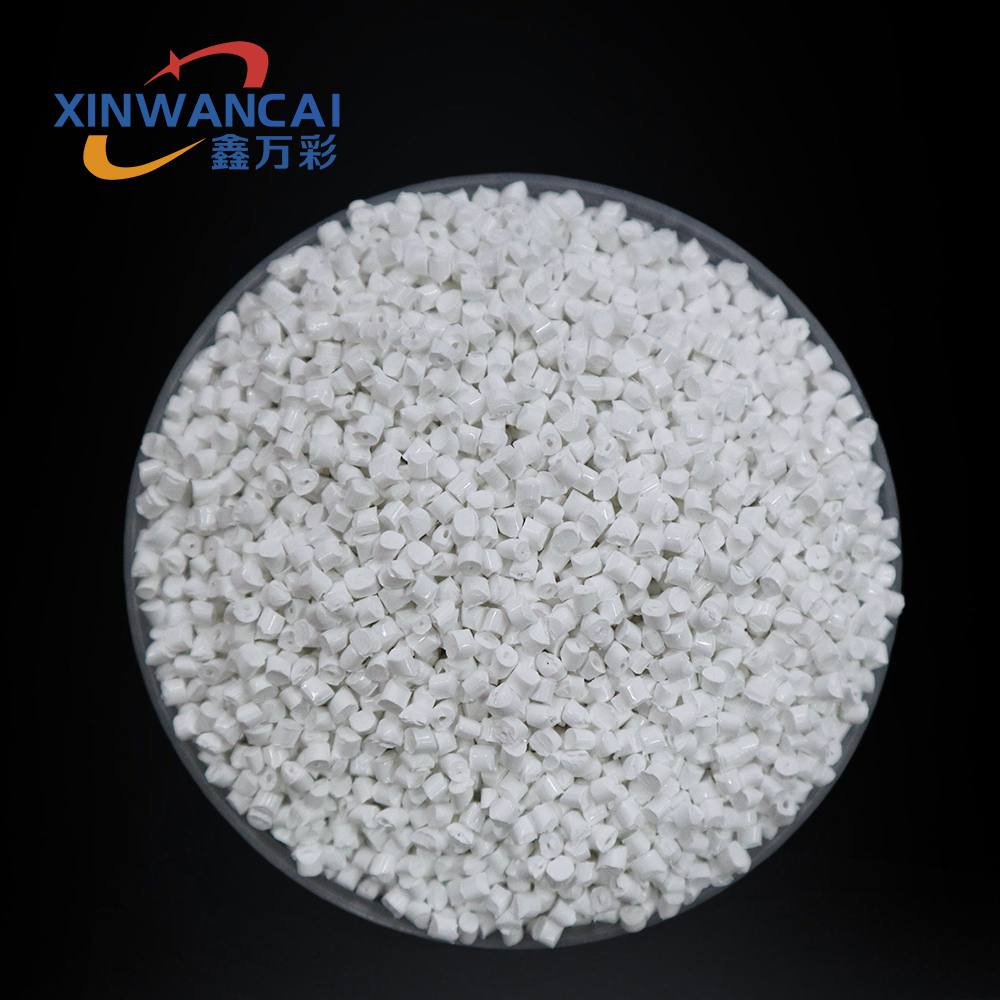
The first step often overlooked is the careful selection of the white pigment itself. Not all titanium dioxide grades deliver the same optical brilliance—crystal structure, particle size distribution, and surface treatment each play a decisive role. For instance, a rutile grade with a precisely controlled particle size around 200–300 nanometers scatters visible light most efficiently, giving that crisp, clean look. Often, a dual-treatment approach involving both alumina and silica not only enhances dispersibility but also guards against photocatalytic degradation, which can subtly gray the finish over time.
Beyond the pigment choice, the real art lies in wetting and dispersion. Even premium pigments can appear dull if agglomerates remain. Here, high-shear mixing paired with tailored dispersing agents becomes critical. These additives must anchor firmly onto pigment surfaces to prevent re-agglomeration while maintaining compatibility with the binder system. A common pitfall is overdosing the dispersant, which can lead to foam, film defects, or even interfere with the opacity. The goal is to reach that sweet spot where the grind base flows effortlessly yet exhibits a distinct blue-phase undertone—a subtle visual cue that true brilliance is developing.
Finally, the formulation environment itself can make or break whiteness. Even trace contaminants from mill wear or raw materials can impart yellowing. This is where chelating agents or sacrificial antioxidants come into play, mopping up metal ions before they form color centers. Also, the binder type matters immensely: a polymer with poor UV resistance or high acid number can degrade over time, shifting from brilliant white to an off-white cast. By balancing rheology modifiers carefully, you can lock in the spatial arrangement of pigment particles, preventing any settling that would mar the surface—yielding a finish that stays remarkably bright and fresh from every angle.
Choosing the Right Titanium Dioxide Grade for Your Application
Titanium dioxide might seem like a straightforward pigment, but treating it as a one-size-fits-all solution can easily backfire. The reality is that the grade you pick—whether it’s a high-durability rutile or a softer anatase—has a direct impact on how the final product looks, lasts, and behaves during manufacturing. I’ve seen everything from exterior paints that chalk within a year to plastic films that turn yellow simply because someone grabbed the cheapest option on the shelf. Each grade is engineered around a specific set of demands: hiding power, tint strength, weather resistance, or processing ease. Overlooking those nuances often means compromising performance in ways that aren’t obvious until the complaint rolls in.
When narrowing down options, move beyond the generic datasheet claims and think about the real-world conditions your product faces. For coatings, ask whether it’s an indoor matte emulsion or a glossy outdoor automotive finish—the former might need excellent dry-hide and scrub resistance, while the latter can’t survive without a dense silica coating to block UV-driven breakdown. If you’re compounding plastics, particle size and organic surface treatments become non‑negotiable: the wrong choice can cause lacing, discoloration, or a gritty surface. In paper laminates, you’re often chasing high opacity without sacrificing smoothness, so the morphology of the pigment crystals matters just as much as brightness. Even within the same crystal structure, subtle shifts in alumina or silica levels, or the presence of a dispersing agent, can alter how the pigment flows, cures, and ages.
The best decisions usually come from a mix of hands-on testing and candid conversations with suppliers. Rather than just comparing technical data sheets side by side, pull samples and run them through your own process—check dispersion time, color development in a letdown, and long-term exposure if possible. A supplier who understands your constraints might recommend a grade that’s slightly modified for faster wet-out or one that was originally designed for a different market but fits your needs perfectly. Sometimes, the sweet spot isn’t the premium product but a thoughtfully customized intermediate grade that balances cost and functionality. In the end, taking the time to match the pigment to the application almost always saves money and headaches down the line, because a failed batch is far more expensive than getting the grade right from the start.
Processing Tips to Avoid Common Dispersion and Streaking Issues
Getting a smooth, even finish often comes down to how well you control material flow. One trick that isn’t always obvious is to slow down your application speed just enough to let the product settle without overworking it. Fast strokes or high shear can pull pigments apart, creating those frustrating streaks you see later. Instead, try a steady, moderate pace—and if you can, test a small area first to see how the material behaves. It’s amazing how often this simple adjustment clears up what looks like a major formulation problem.
Temperature plays a bigger role than many people realize. If your material is too cold, it might not level out properly, trapping air or causing uneven thickness. Slightly warming the substrate or the product itself—without going overboard—can dramatically improve flow and reduce dispersion issues. Just be careful not to thin things out too much, because that brings its own set of troubles like drips or poor coverage.
Tool choice is another area where small changes pay off. A brush or spreader with finer, more flexible bristles or edges can lay down a more consistent layer than something stiff or worn. Also, don’t underestimate the value of cleaning your tools between batches; leftover residue from a previous run is a common culprit behind random streaks that seem to appear out of nowhere. A quick wipe with the right solvent can keep everything homogenous.
Balancing Opacity, Brightness, and Cost Without Compromise
Achieving the perfect balance between opacity, brightness, and cost is a challenge that doesn’t have to end in compromise. It starts with understanding the interplay between raw material choices and production processes. High-opacity films and papers often rely on multiple layers or heavy coatings, but these can inflate costs and mute surface brightness. The trick lies in advanced formulation techniques that disperse light-scattering particles more efficiently, allowing less material to deliver the same coverage. By fine-tuning particle size and distribution, manufacturers can maintain a clean, bright appearance without loading up on expensive fillers—keeping the final product both visually appealing and wallet-friendly.
Beyond materials, smart engineering plays a huge role. Adjusting the surface texture and refractive index alignment can amplify a product’s innate brightness, making it appear more vivid even at lower opacity levels. This means less reliance on costly whitening agents and a production line that runs smoother, with fewer interruptions for quality tweaks. The result is a material that looks premium and performs reliably, yet doesn’t stretch the budget. It’s about working smarter, not harder—redesigning the structure from the inside out to hit every target without the usual trade-offs.
The real magic happens when these improvements are tailored to specific use cases. Instead of a one-size-fits-all approach, collaborating closely with developers to match opacity and brightness levels to actual end-use demands eliminates wasteful over-engineering. This targeted strategy not only trims unnecessary expenses but also ensures the material excels where it matters most—whether in packaging, labeling, or printed graphics. The outcome is a solution that feels bespoke, delivers consistent results, and completely sidesteps the old assumption that you have to sacrifice one attribute to save on another.
Sustainable and High-Performance White Masterbatch: What’s New in 2024
The push for eco-friendly solutions has reshaped white masterbatch formulations this year, with manufacturers swapping conventional titanium dioxide for novel mineral blends and recycled content. These alternatives not only reduce the carbon footprint but also maintain impressive opacity and dispersion, even in thin-gauge films. Several producers have achieved up to 30% bio-based or post-industrial recycled carriers without sacrificing the bright, clean whiteness that brands demand for packaging and consumer goods.
Performance-wise, 2024 has brought a leap in thermal stability and processability under high-shear conditions. New dispersion aids allow loadings to be pushed higher while eliminating agglomerates that once caused surface defects in injection-molded parts. Multi-functional masterbatches combine whitening with UV stabilization or antimicrobial properties, cutting down on total additive load and streamlining production for converters who face tight sustainability targets.
Digital color management and near-infrared (NIR) sorting compatibility are also emerging as key differentiators. Advanced grades now ensure reliable sorting of black-free white packaging, helping recyclers recover clean polymer streams. Meanwhile, low-migration and odor-optimized grades are gaining traction in sensitive applications like dairy packaging and medical devices, where regulatory pressure and consumer perception matter as much as operational efficiency.
FAQ
White masterbatch is a concentrated mixture of titanium dioxide pigment and a carrier resin, designed to give plastics a bright, opaque white finish. It's essential for achieving consistent coloration, UV protection, and surface quality in products ranging from packaging films to automotive parts, without the mess and inconsistency of raw pigment powders.
Focus on the titanium dioxide grade and loading, the compatibility of the carrier resin with your base polymer, and the dispersion quality. A high-quality masterbatch will have excellent dispersion to avoid streaks or specks, and the right melt flow index to process smoothly with your equipment.
The TiO2 percentage directly impacts whiteness and hiding power. Typically, 50–70% TiO2 is common, but higher loads can boost opacity in thin films. However, too much can affect dispersion and mechanical properties. The crystal form—rutile provides better UV resistance and brightness, while anatase is used where less chalking is acceptable.
For polyethylene films, use a masterbatch with LDPE or LLDPE carrier and 60–70% rutile TiO2. Polypropylene injection molding often benefits from a PP-based carrier with high-flow properties. For ABS, an SAN or universal carrier with good thermal stability is crucial to prevent yellowing during processing.
Pre-dry the masterbatch if it's hygroscopic, and use a gravimetric feeder for precise dosing. Let-down ratios typically range from 2% to 8%, but start with a supplier's recommendation. Processing temperatures should match the base resin and allow proper melt mixing—a too-cold melt can cause poor dispersion and surface defects.
Common issues include color streaks, reduced printability, and plate-out on molds. These often stem from poor pigment dispersion or incompatible carriers. To avoid them, request dispersion test data from your supplier and run a small-scale trial. Cleaning equipment regularly and using masterbatch with anti-static additives can also help.
Keep it in a cool, dry place away from direct sunlight and moisture. Original packaging with moisture barrier bags is best. After opening, reseal tightly or use desiccant if storage conditions are humid. Proper storage prevents agglomeration and TiO2 settling, ensuring consistent feeding and color performance.
Conclusion
The right white masterbatch transforms plastic coloring from a guessing game into a precise, high-value process. It’s not just about making something white—it's about controlling how light interacts with the polymer to achieve consistent opacity, brightness, and undertone across production runs. The choice of titanium dioxide grade defines everything: chloride-process rutile for maximum hiding power and blue-toned whites, or surface-treated variants for easier dispersion in polyolefins and engineering resins. Beyond pigment selection, formulation additives like internal lubricants and coupling agents dramatically affect color consistency and streaking. Even the carrier resin must match the host polymer to prevent gloss variation or chalking over time. Small adjustments in the masterbatch letdown ratio can fine-tune opacity without overshooting costs, often yielding a cleaner look than simply adding more TiO₂.
Processing conditions make or break the final result. Mild screw profiles and proper melt temperatures stop pigment agglomerates from surviving dispersion, while static mixers and screen packs catch the outliers that cause visible streaks in thin film or injection parts. Achieving the sweet spot of high opacity with minimal pigment loading relies on understanding pigment spacing and light scattering—sometimes a slightly lower TiO₂ content delivers better brightness if dispersion is flawless. In 2024, sustainable approaches are reshaping recommendations: bio-based carrier systems and recycled-content masterbatches now rival virgin performance, and new surface modification technologies reduce energy needed for dispersion. These advances let specifiers meet environmental targets without sacrificing the clean, vibrant white that sells products on the shelf. Whether the goal is a cost-driven container or a premium cosmetic package, a custom-balanced white masterbatch remains the quiet difference between mediocre and exceptional plastic color.
Contact Us
Contact Person: JACK
Email: [email protected]
Tel/WhatsApp: 86 18650130917
Website: https://www.xinwancai.com/