Why Lithium-Ion Forklifts Are the Best Recommendation for Your Warehouse
2026-07-02
Ever watched your warehouse operations slow to a crawl while forklifts sit charging? It's a common headache with traditional lead-acid batteries. But there's a smarter way to keep things moving—lithium-ion forklifts. They charge faster, last longer, and slash downtime. Leading brands like HANGCHA are making this technology more accessible than ever. Ready to find out why this upgrade belongs at the top of your wish list?
The Shift Toward Smarter Energy in Warehousing
Warehouses have long been overlooked as simple storage shells, but they’re now stepping into a more dynamic role. The shift toward smarter energy isn’t just about cutting bills—it’s reshaping how these spaces operate. By weaving together real-time monitoring and adaptive systems, facilities are learning to breathe with the grid, drawing power when it’s cheapest and cleanest, and even feeding surplus back. It’s a quiet revolution, one where a distribution center starts thinking more like a living organism than a concrete box.
This transformation hinges on something surprisingly low-profile: the humble battery. Once seen as a backup, energy storage is now the linchpin of flexible operations. Pair it with rooftop solar, and a warehouse can shave peak demand charges, dodge outages, and sidestep diesel generators during crunch times. The real magic happens when these systems talk to each other, syncing charge cycles with weather forecasts and shipping schedules. Suddenly, a forklift’s downtime becomes an opportunity to store cheap electrons rather than let them go to waste.
But the true differentiator isn’t technology alone—it’s mindset. Smart energy demands that facility managers think in flows rather than stocks, treating kilowatt-hours like inventory that spoils if not used wisely. Some are even turning idle rooftop space into revenue streams, leasing it for community solar. Others are redesigning workflows around energy availability, cooling perishables when the sun shines and pausing non-urgent tasks during peak pricing. It’s a paradigm where every pallet move has an energy consequence, and where efficiency is measured not just in throughput, but in watt-hours per order fulfilled.
How Longer Run Times Redefine Shift Productivity
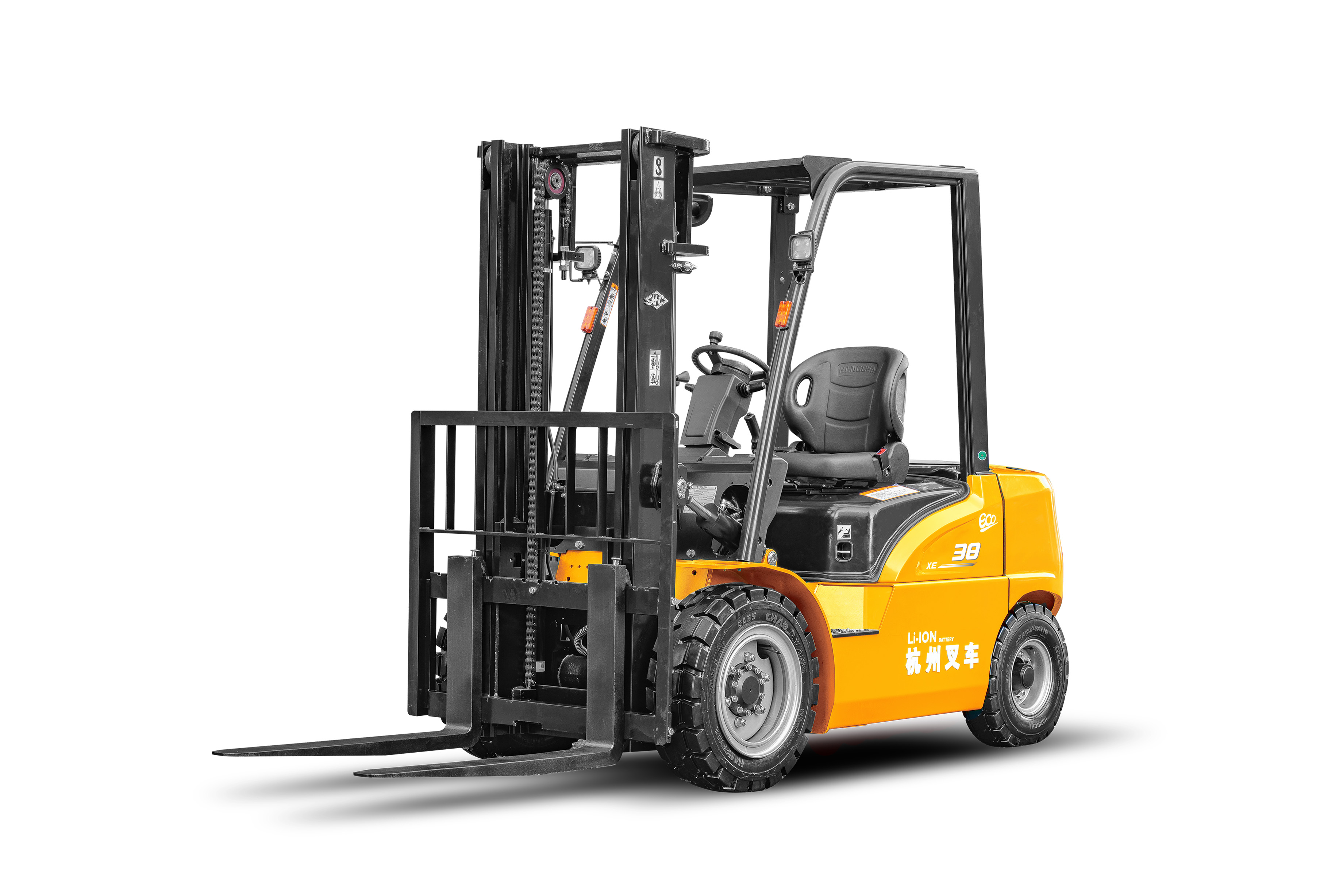
Extending run times fundamentally reshapes the nature of shift work, transforming idle moments into continuous value creation. When machines operate longer between setups, operators pivot from frequent changeovers to proactive process stewardship. This shift fosters deeper familiarity with equipment behavior, enabling subtle tweaks that prevent micro-stoppages before they escalate. Over time, teams develop an intuitive rhythm—anticipating needs rather than reacting to alarms—which smoothens throughput in ways that rigid schedules never could.
The real redefinition lies in how longer runs compress non-productive tasks and expand the space for strategic intervention. Maintenance windows become smarter, not just longer; quality checks evolve from checklist routines into diagnostic conversations between shifts. Veteran operators start sharing nuanced insights with newcomers during the natural lulls that extended cycles create. This organic knowledge transfer strengthens the team’s collective capability, making shift transitions almost seamless because everyone internalizes the same detailed machine history.
Perhaps most counterintuitively, longer run times intensify the human element rather than diminishing it. Freed from the tyranny of constant setup, attention shifts to fine-tuning parameters that multiply output subtly—a degree of temperature, a second of dwell time. These micro-optimizations compound across shifts, creating a culture where small, continuous gains become the norm. The productivity boost doesn’t come from machines alone; it emerges from people learning to listen more carefully to the production heartbeat that longer runs make audible.
Cutting Hidden Costs Without Sacrificing Performance
Trimming the fat doesn't mean cutting into muscle. Too many teams try to save money by slashing tools or headcount, only to find their output tanks. It's about spotting the quiet drains—unused licenses, bloated workflows, redundant approvals—that eat budget without adding value.
The real art is running lean while staying sharp. Swap manual QA for automated testing that catches bugs earlier, not later. Rethink your cloud setup: rightsizing instances often unlocks 30% savings with zero dip in speed. Small tweaks, big impact.
Culture matters more than policy. Encourage engineers to flag waste without fear, and celebrate when someone kills a process that outlived its purpose. Performance isn't just about raw speed—it's about sustaining it without bleeding cash.
A Greener Path That Doesn’t Slow You Down
Sustainability often comes with a side of compromise—slower speeds, higher costs, or extra effort. But what if the greenest option also happened to be the most efficient? That’s the quiet revolution unfolding in how we move, build, and consume. From electric bikes that whiz past city traffic to buildings designed to heat and cool themselves with half the energy, the old trade-off between eco-consciousness and performance is fading fast. These aren’t lab experiments; they’re practical solutions already tightening commutes and trimming bills.
Think about the last time you chose a reusable cup not because it felt virtuous, but because it kept your coffee hotter for longer. That same logic is scaling up. Modern insulation materials work so well that homes stay comfortable year-round without cranking the thermostat. Meanwhile, lightweight materials in electric vehicles extend range so much that a charge lasts well beyond the daily grind. The goal isn’t to guilt anyone into sustainability—it’s to make the sustainable choice the obvious one, simply because it outperforms the alternative.
What’s driving this shift is a relentless focus on the user: the daily rhythm of real people, not abstract ideals. High-speed rail networks, once dismissed as futuristic dreams, are now slicing travel times between city centers, making a three-hour train ride faster than a flight when you factor in security lines. Even small acts, like repairing a device instead of replacing it, come with streamlined services that save time and money. The greener path is no longer a detour; it’s the express lane.
Simplifying Maintenance and Operator Experience
We’ve stripped away the complexity that often turns routine upkeep into a chore. Instead of hunting through layers of menus or decoding cryptic alerts, your team gets straightforward, actionable information exactly when they need it. Physical access points are designed so you don’t need a toolkit just to reach a filter, and software updates happen in the background without a single tap on a screen.
Every interaction feels less like operating industrial machinery and more like using a familiar app. Controls are laid out with a logic that matches how people actually think and work, not how engineers diagram a system. On-screen guidance uses plain language, and the machine learns from repeated patterns to surface preferences, so crews can start their shift with everything already set the way they like it.
Maintenance itself becomes part of the natural workflow rather than a separate interruption. Sensors track wear in real time and prompt for replacements only when components genuinely need them, cutting down on unnecessary swaps. When a rare issue does pop up, the system walks anyone on site through the fix with clear, step‑by‑step visuals—minimizing downtime without requiring specialized training or a call to tech support.
Future-Proofing Your Fleet for Next-Gen Demands
Adapting your fleet to upcoming shifts isn't just about swapping out vehicles. It requires a layered approach that balances immediate operational needs with long-term technological shifts. Start by scrutinizing your current data—mileage patterns, maintenance logs, and route efficiency—to pinpoint where outdated assets are dragging down performance. This baseline reveals not only which units are ripe for replacement but also where hybrid or electric alternatives could slash fuel costs and downtime.
Beyond hardware, embedding flexibility into your fleet management software is non-negotiable. Platforms that integrate real-time telematics, predictive maintenance alerts, and driver behavior analytics let you pivot quickly when regulations change or new delivery models emerge. Consider modular retrofitting options, too; a diesel truck today might accept a hydrogen fuel cell conversion in five years, protecting your capital expenditure from obsolescence.
Finally, cultivate a culture where your team views evolution as constant. Training programs on emerging technologies, from EV charging infrastructure to autonomous vehicle oversight, keep your workforce agile. Pair this with a rolling review cycle—reassessing your fleet composition every quarter instead of annually—so you're always ahead of the curve rather than scrambling to catch up.
FAQ
They offer unmatched efficiency and lower total cost of ownership compared to lead-acid models. Unlike older batteries, lithium-ion packs charge faster, last longer, and don't need watering or equalizing, which means less downtime and fewer maintenance headaches for busy operations.
Lithium-ion batteries can opportunity charge during breaks or between shifts without damage, often reaching full charge in under two hours. This eliminates the need for battery swapping rooms and keeps forklifts running nearly continuously, which is a game changer for multi-shift warehouses.
They eliminate risks like acid spills, hydrogen gas emissions during charging, and the need for heavy lifting of batteries. The stable chemistry also reduces thermal runaway risks, and the battery management systems constantly monitor temperature and voltage for safer operation.
Despite higher upfront costs, the lower energy consumption, reduced maintenance, and longer lifespan—often 2-3 times that of lead-acid—result in significant savings. Many operations see a return on investment within a couple of years through reduced labor and energy bills.
Advanced lithium-ion batteries perform well in cold conditions, maintaining consistent power output and capacity where lead-acid batteries struggle. This makes them ideal for freezer warehouses, as they don't experience voltage sag or require special heating systems.
Essentially none on a daily basis. There’s no water to check, no equalization charges to perform, and no terminal corrosion to clean. Just periodic visual inspections and occasional firmware updates keep them in top shape, freeing your team to focus on core tasks.
Conclusion
Warehouses are rapidly moving toward smarter energy solutions, and lithium-ion forklifts are at the forefront of this transformation. Unlike traditional lead-acid batteries, these modern power sources deliver consistently high performance throughout an entire shift without the gradual power fade that plagues older technology. The ability to handle longer run times means operators can stay productive from start to finish, eliminating the downtime previously needed for battery swaps and midday cool-offs. This directly redefines shift productivity, as the seamless operation keeps workflows uninterrupted and allows for more flexible scheduling—opportunity charging during breaks becomes a practical reality, not a compromise.
Beyond pure runtime, lithium-ion forklifts cut hidden costs by drastically reducing energy waste and maintenance overhead. They charge faster and more efficiently, sidestep the expense of watering systems and acid cleanup, and avoid the performance losses that come with half-discharged batteries. This leaner operation naturally supports a greener path: the technology generates zero emissions at the point of use and consumes less electricity per cycle, all without sacrificing the power and torque demands of heavy-duty applications. From an operational standpoint, maintenance becomes remarkably simple—no more battery rooms, no more guesswork around fluid levels—and operators appreciate the quiet, vibration-free ride that reduces fatigue and sharpens focus. Looking ahead, these forklifts future-proof a fleet by integrating easily with telemetry and energy management systems, adapting to data-driven demands and next-generation automation without requiring a complete overhaul.
Contact Us
Contact Person: Liuxue
Email: [email protected]
Tel/WhatsApp: +86-19084200370
Website: https://www.hf-ec.com/