
Why Is a Reliable Fire Monitor Becoming Essential for Modern Fire Protection?
2026-03-10
When I first started working closely with industrial fire protection systems, I realized that many facilities still relied heavily on traditional hoses and manual firefighting equipment. While those tools remain important, they often struggle to control large-scale fires quickly. During my research and collaboration with manufacturers like Ningbo Plent Machinery Co., Ltd., I gradually began to appreciate the critical role that a modern Fire Monitor plays in high-risk environments such as petrochemical plants, warehouses, ports, and industrial complexes.
A properly designed Fire Monitor provides long-range water or foam projection, consistent pressure, and remote or manual control that dramatically improves fire suppression efficiency. In many cases, it allows firefighters or facility operators to control dangerous fires from a safer distance while maintaining stable coverage over large areas.
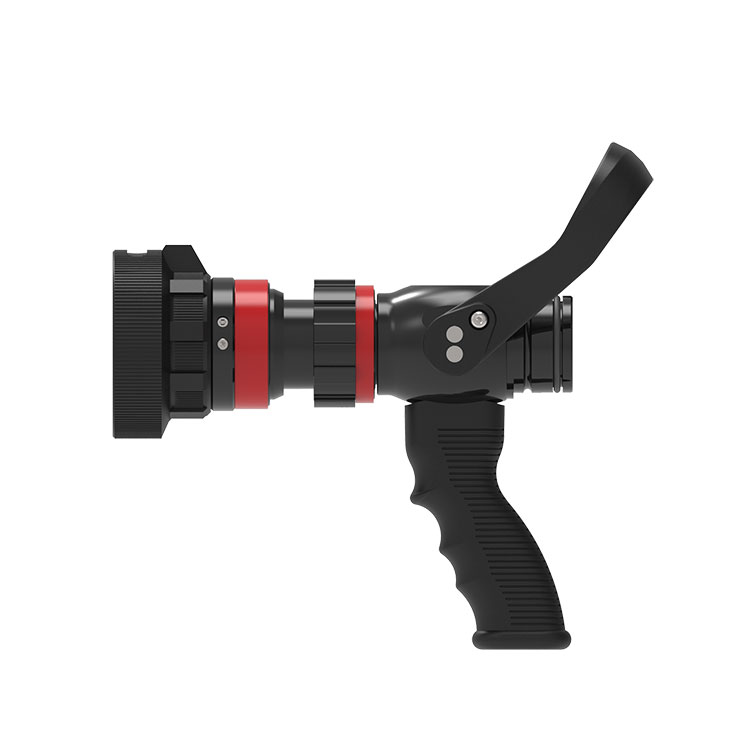
Why Do Traditional Firefighting Methods Struggle in Large Industrial Environments?
Many safety managers ask the same question when evaluating their fire protection strategy. Why do conventional firefighting tools sometimes fail to control large fires quickly?
From my experience working with industrial safety teams, the challenge usually comes down to three main limitations.
- Manual hoses cannot deliver consistent long-range coverage.
- Firefighters must work dangerously close to the fire source.
- Large facilities require rapid coverage across wide zones.
A modern Fire Monitor addresses these issues by delivering high-volume water or foam streams with precise directional control. Instead of relying solely on human strength and positioning, operators can stabilize the firefighting stream and cover critical areas more effectively.
How Does a Fire Monitor Improve Fire Suppression Efficiency?
When I evaluate firefighting equipment for industrial use, I usually focus on three performance factors: range, flow capacity, and operational safety. A high-quality Fire Monitor is engineered specifically to optimize these elements.
- Long-distance water or foam projection
- Stable and adjustable flow rates
- Wide rotation and elevation control
- Compatibility with fire trucks, fixed installations, and foam systems
- Reduced manpower requirements
In many industrial scenarios, these advantages translate directly into faster fire containment. For example, petrochemical storage areas often require powerful suppression systems that can reach elevated tanks or large storage fields. A properly installed Fire Monitor can provide the necessary reach and pressure without requiring firefighters to approach hazardous zones.
What Technical Factors Should Buyers Consider Before Choosing a Fire Monitor?
Selecting the right system involves more than simply choosing a high-flow nozzle. Over time, I learned that performance, durability, and compatibility all play major roles in long-term reliability.
The following comparison table summarizes the key technical considerations many safety engineers evaluate before purchasing a Fire Monitor.
| Feature | Why It Matters | Operational Benefit |
| Flow Rate Capacity | Determines the volume of water or foam delivered | Faster fire suppression in large-scale incidents |
| Rotation Range | Allows horizontal movement across wide areas | Better coverage without repositioning equipment |
| Elevation Adjustment | Controls vertical angle of the water stream | Effective targeting of elevated structures |
| Material Construction | Corrosion-resistant alloys improve durability | Longer service life in harsh environments |
| Control Type | Manual or remote control options available | Improved operator safety and flexibility |
Manufacturers such as Ningbo Plent Machinery Co., Ltd. focus heavily on these engineering details, because real-world firefighting conditions often demand both mechanical strength and operational precision.
Where Is a Fire Monitor Most Commonly Used Today?
During discussions with facility managers and fire safety consultants, I noticed that certain industries rely particularly heavily on Fire Monitor systems.
- Petrochemical plants and refineries
- Oil storage terminals
- Large warehouses and logistics hubs
- Marine ports and shipyards
- Airports and aviation fuel facilities
- Power generation plants
These environments typically involve large open spaces and flammable materials, where rapid fire escalation can occur. Installing a Fire Monitor helps create a first-line suppression system capable of delivering powerful water or foam streams immediately after detection.
How Can Facilities Integrate Fire Monitors Into Modern Safety Systems?
One of the most interesting developments in recent years is the integration of firefighting equipment with automated safety infrastructure. Instead of operating independently, many Fire Monitor systems now work alongside detection systems, fire pumps, and foam proportioning units.
From a system design perspective, I often see these monitors installed in strategic positions around high-risk zones. When integrated with centralized fire control panels, operators can quickly activate suppression equipment and adjust targeting without physically approaching the hazard area.
This approach not only improves response time but also enhances firefighter safety by minimizing direct exposure to flames, smoke, or chemical hazards.
Why Are Industrial Buyers Paying More Attention to Fire Monitor Quality?
In the past, some organizations treated firefighting equipment as a secondary purchase. However, major industrial incidents around the world have changed that mindset. Fire safety managers now recognize that equipment reliability directly affects operational risk management.
A durable and well-engineered Fire Monitor can make a critical difference during emergencies. High-quality manufacturing, corrosion-resistant materials, and stable mechanical performance ensure that the system remains operational even after years of exposure to harsh weather or industrial environments.
That is one reason why many buyers now prioritize specialized manufacturers with extensive experience in fire protection equipment development.
Could the Right Fire Monitor Strengthen Your Facility's Fire Protection Strategy?
From my perspective, every industrial facility should periodically review its fire protection infrastructure. As production capacities grow and storage volumes increase, traditional firefighting methods alone may no longer provide sufficient coverage.
Upgrading to a modern Fire Monitor system can significantly improve suppression capability, increase operational safety, and help facilities respond faster during emergencies.
If your organization is evaluating fire protection solutions or planning to upgrade existing equipment, I strongly recommend exploring advanced monitor systems developed by experienced manufacturers such as Ningbo Plent Machinery Co., Ltd.. Their engineering expertise and product reliability can support a wide range of industrial fire protection needs.
If you would like to learn more about selecting the right firefighting equipment for your facility, please feel free to contact us. Our team is always ready to discuss technical requirements, recommend suitable solutions, and help you build a safer and more reliable fire protection system.